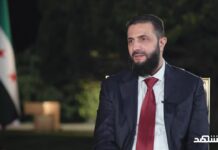
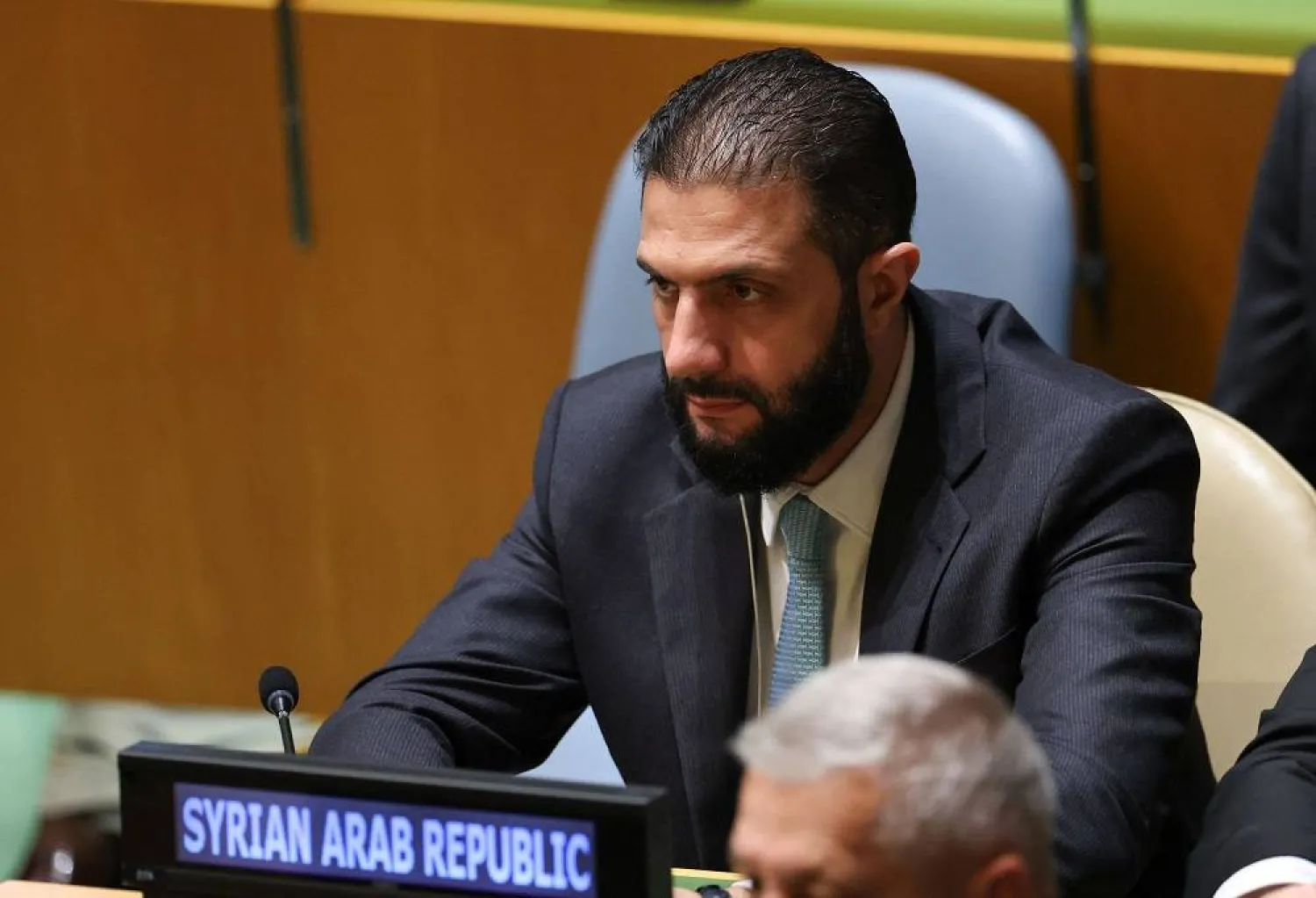
Syrian President Ahmad al-Sharaa arrived in New York September 22, marking the first visit by a Syrian head of state to the US in almost 60 years. His attendance at the United Nations General Assembly recalled the 1967 visit of President Nuruddin al-Atassi, who came to address the body following the June War.
The Syrian presidency confirmed Sharaa’s arrival at the 80th session of the General Assembly, describing it as a step toward Syria’s reintegration into the international community after years of conflict and isolation.
Diplomatic Meetings With World Leaders
During his visit, Sharaa met with several Arab and European leaders. Yesterday, September 23, he held talks with Jordan’s King Abdullah II, Kuwaiti Crown Prince Sheikh Sabah Khalid al-Hamad al-Sabah, and Rashad al-Alimi, chairman of Yemen’s Presidential Leadership Council. He also conferred with Italian Prime Minister Giorgia Meloni and Finnish President Alexander Stubb.
These meetings were attended by Syria’s Foreign Minister Asaad al-Shaibani and other members of the official delegation. According to the Syrian presidency, the discussions focused on regional stability, political cooperation, and Syria’s role in shaping Middle Eastern affairs.
Engagement With Policy Experts
Sharaa also participated in dialogues with American and international researchers. At the Middle East Institute in New York, he engaged in an open session with Charles Lister, director of the institute’s Syria Program. The discussion included US diplomats, among them Syria Special Envoy Tom Barrack, as well as members of the Syrian-American community.
On Monday, Sharaa joined a conversation with retired Gen. David Petraeus, former CIA director, during the Concordia Summit. These forums allowed the Syrian leader to address challenges inside Syria, opportunities for reconciliation, and the potential for redefined ties with Washington.
Message of Stability and Reconciliation
In his public remarks, Sharaa emphasized Syria’s commitment to regional peace and reconciliation. He argued that any agreement with Israel must restore the situation to pre-December 2024 conditions, stating, “We said we would not be a source of danger to anyone.” He also pointed to progress inside Syria, claiming that one million refugees have returned since the recapture of Damascus and that drug smuggling has sharply declined.
He addressed recent unrest in Suwayda, acknowledging missteps “by all parties” and underlining efforts toward reconciliation. Sharaa stressed that Syria must remain equidistant from rival blocs and called for integrating SDF forces into the national army with US assistance.
Participation in Two-State Solution Conference
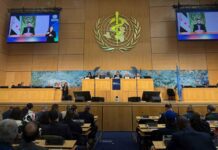
The president also attended a high-level conference on the two-state solution, co-chaired by Saudi Arabia and France. The session brought together international leaders to discuss Palestinian statehood, though US officials were absent.
Sharaa’s presence at the UN signaled a significant shift in Syria’s global posture. Whether the visit translates into lasting diplomatic openings remains uncertain, but his return to the international stage after decades underscores a notable moment in Middle Eastern diplomacy.