The Syrian economy has witnessed significant developments during the first year following liberation, marked by positive indicators suggesting the beginning of a gradual recovery and improvement phase. Economic researcher Ihab Ismander noted that one of the most prominent achievements has been the structural shift toward a market economy.
This transition opened the door to fair competition and activated the economic potential of both the private and joint sectors. It has also improved the overall business environment, accompanied by more than 15 legislative decisions and amendments aimed at facilitating investment procedures and encouraging entrepreneurship.
Lifting of Sanctions and Economic Openness
A key development has been the lifting of sanctions and renewed economic openness. The Syrian administration has worked systematically to remove various sanctions and has made clear progress, beginning with efforts to lift US sanctions, including the Caesar Act, alongside similar steps by the EU and the UK. This has supported Syria’s reconnection with the global financial system through SWIFT, enhancing the ease of international transfers. Notably, transfers this year increased by 40% compared to the previous year.
Regarding investment, the government announced attracting investments valued at $28 billion during the first ten months since liberation. These include major agreements in energy, infrastructure, and real estate development, as well as emerging sectors such as tourism and modern agriculture, the latter attracting $1.2 billion in investments.
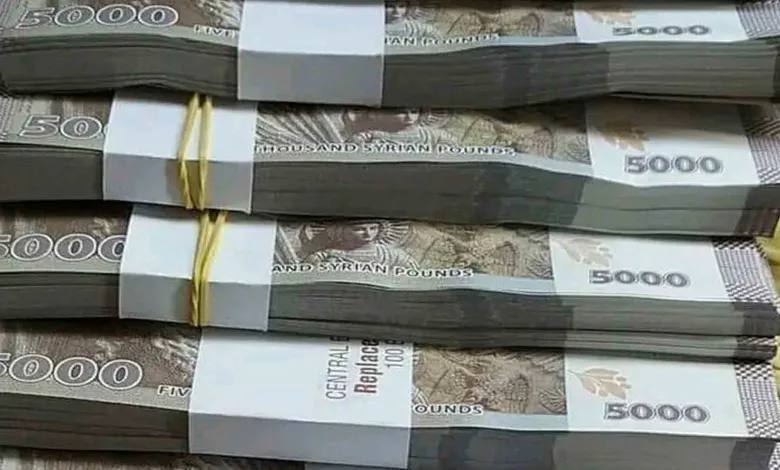
In the monetary sector, the Central Bank of Syria (CBS) adopted policies contributing to improving the value of the Syrian pound against the dollar by approximately 30%. Foreign exchange reserves also increased by more than 18% in the past six months, boosting market confidence and reducing inflation from 150% to around 65% over the same period.
International Re-engagement and Investment Conferences
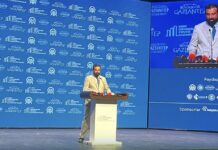
Syria has reasserted itself on the global economic stage through active participation in over seven regional and international forums. The Future Investment Initiative in Riyadh (2025) was particularly significant, with President Ahmad al-Sharaa’s participation marking an official announcement of Syria’s renewed regional role. Historic investment agreements were signed, including deals with Saudi Arabia worth $6.4 billion, as well as commitments from Gulf states to settle Syria’s debts to the World Bank, estimated at around $1.8 billion.
Regarding reconstruction, Ismander stated that the government is making extensive efforts to rebuild vital sectors through private investments and international partnerships, with over $12 billion allocated to strategic projects in the energy, health, and infrastructure sectors.
The current stage represents a historic opportunity to rebuild Syria on solid economic foundations by strengthening public-private partnerships, maintaining openness to global markets, attracting high-quality investments, and adopting policies that place the Syrian people at the center of development priorities.