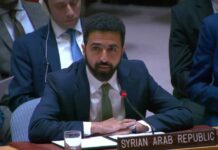
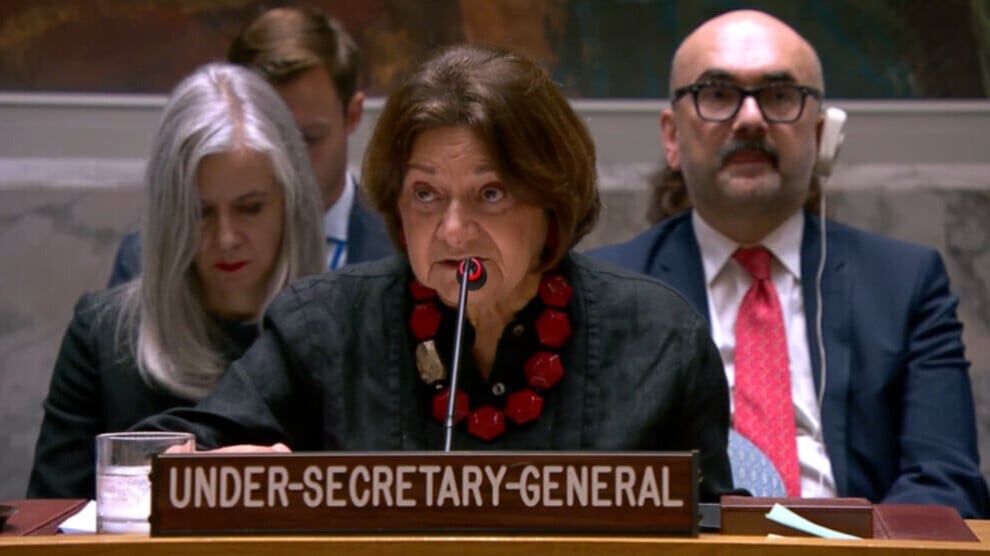
One year after the fall of the brutal regime of Bashar Assad, the UN says Syria has made measurable progress but remains vulnerable to renewed instability. Rosemary DiCarlo, the UN under-secretary-general for political and peacebuilding affairs, told the Security Council December 18 that overall violence has declined, yet the security situation on the ground is still fragile.
DiCarlo said the UN “strongly condemns” recent outbreaks of violence, including incidents along the Syrian coast and ongoing unrest in Suwayda, as well as tensions between the Syrian army and the Syrian Democratic Forces (SDF). She warned that hate speech and disinformation campaigns have fueled several confrontations, complicating efforts to stabilize the country, according to the UN briefing.
Coastal and Suwayda Violence Under Scrutiny
DiCarlo cited the March 6 violence in coastal areas, following movements by elements linked to remnants of the Assad regime targeting public security forces in rural Latakia. The clashes led to sectarian reprisals and the killing of hundreds of civilians, the UN said.
She also detailed events in Suwayda, where violence erupted July 12 after reciprocal kidnappings between residents of the Muqaws neighborhood and members of the Druze community.
Government forces intervened two days later, but violations against Druze and Bedouin civilians prompted armed local factions to respond. Israeli strikes on July 16 hit government positions, leading to a withdrawal of Syrian forces and subsequent revenge attacks against Bedouin residents before a US-mediated agreement halted operations.
DiCarlo urged Syrian authorities to ensure transparency in ongoing investigations and to hold perpetrators accountable. She said reports of extrajudicial killings and kidnappings, including those targeting members of the Alawite sect, continue to surface.
Regional Tensions and Terrorism Concerns
The UN official said Israeli airstrikes and incursions into southern Syria have worsened the security situation and called on Israel to respect Syria’s sovereignty and territorial integrity. She described the resumption of security dialogue between Syria and Israel as “extremely important,” according to the Security Council briefing.
DiCarlo also pointed to continuing counterterrorism challenges, including fears of an ISIS resurgence and the presence of foreign fighters. She warned that land mines, unexploded ordnance and poorly managed weapons stockpiles continue to kill and injure Syrians daily.
Accountability and Political Progress
DiCarlo said true recovery depends on confronting the past, including clarifying the fate of the missing and ensuring accountability for atrocities. She said the political transition must include security sector reform, disarmament and reintegration.
She noted progress over the past year, including the restoration of state institutions, the integration of armed factions under a single command, the issuance of a constitutional declaration and indirect legislative elections held in October. More than 1 million refugees and nearly 2 million internally displaced Syrians have returned home, she said, while several countries have lifted bilateral sanctions, including the US through the repeal of the Caesar Act.
Humanitarian Needs Still Enormous
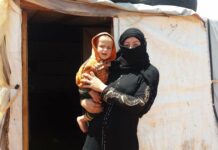
UN Assistant Secretary-General for Humanitarian Affairs Joyce Msuya said Syria’s transition will hinge on reducing humanitarian needs. She said 16.5 million people require assistance, citing UN figures, and warned that the 2025 humanitarian appeal is only 30% funded.
Despite reaching 3.4 million people each month, a 25% increase from last year, the UN cannot meet growing demands, Msuya said. Without sustained funding and investment, she warned, Syria’s recovery will remain uncertain.