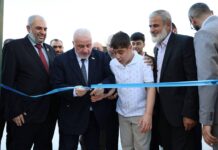
 The Syrian Civil Defense, with funding and support from the King Salman Humanitarian Aid and Relief Center (KSRelief), launched a comprehensive rubble removal and recycling project in the cities of Douma and Daraya. The initiative aims to improve environmental and service conditions, reopen roads, and support early recovery by converting war debris into usable building materials.
The project centers on establishing an integrated and safe recycling facility capable of transforming rubble into construction materials such as blocks, tiles, and Jersey barriers, allowing debris from destruction to re-enter the cycle of reconstruction.
Job Creation and Local Development
The project targets the removal of approximately 46,500 cubic meters of rubble in Douma and 39,000 cubic meters in Daraya. In parallel, it provides around 50 direct job opportunities, contributing to local livelihoods while addressing urgent urban challenges.
Beyond debris removal, the initiative includes the creation of a specialized rubble management unit overseeing recycling processes and the production of diverse construction materials. These outputs support municipalities and offer locally sourced alternatives to imported building materials.
Comprehensive Support for Sustainability
KSrelief’s support has been central to ensuring the project’s sustainability. Assistance included providing a mobile rubble recycling unit suitable for deployment in other areas, as well as heavy machinery and production equipment such as trucks, crushers, and tile presses. Safety gear, fuel supplies, and operational support were also delivered.
The project further strengthened efficiency through the formation of a specialized recycling team comprising engineers, quality and safety specialists, technicians, and field workers, creating continuous employment opportunities for local residents.
Visible Impact on Communities
Douma Mayor Samir Bouaydani stated the project produced tangible results by facilitating movement and preparing public facilities, including schools, roads, and sewage networks. He noted these improvements enhance quality of life, rebuild confidence, and encourage residents to return.
Muhammad Jughnina, Daraya’s Mayor, described the initiative as a pivotal step in the reconstruction process, emphasizing removing piles of rubble reduces dust in summer, mud in winter, and restores the city’s urban appearance.
Speaking to Levant 24, Abu Muhammad al-Abbar, a 65-year-old community figure from Daraya, highlighted the scale of destruction in the town and the widespread presence of rubble. He noted that local families and contractors cooperated with the local council to reopen main roads and squares, expressing readiness to continue supporting efforts to remove debris and rebuild after years of devastation.
A Model for Sustainable Reconstruction
The project offers a practical model for transforming destruction into an opportunity for urban, social, and economic recovery. Recycling rubble for infrastructure projects helps restore basic services and prepares conditions for the return and stability of residents.
By demonstrating the value of integrated planning and coordination, the initiative shows how systematic and safe management of war debris can serve as a driver for local development and a foundational step toward rebuilding resilient cities capable of facing future challenges.