A Washington Post investigation details how Israel moved quickly, and in some cases well before the fall of Bashar al-Assad, to influence Syria’s postwar trajectory through covert funding, weapons transfers and proxy-building efforts. The reporting shows Israeli security officials began laying groundwork months ahead of Assad’s ouster in December 2024, driven by fears that Syria’s new leadership could threaten Israel’s northern border.
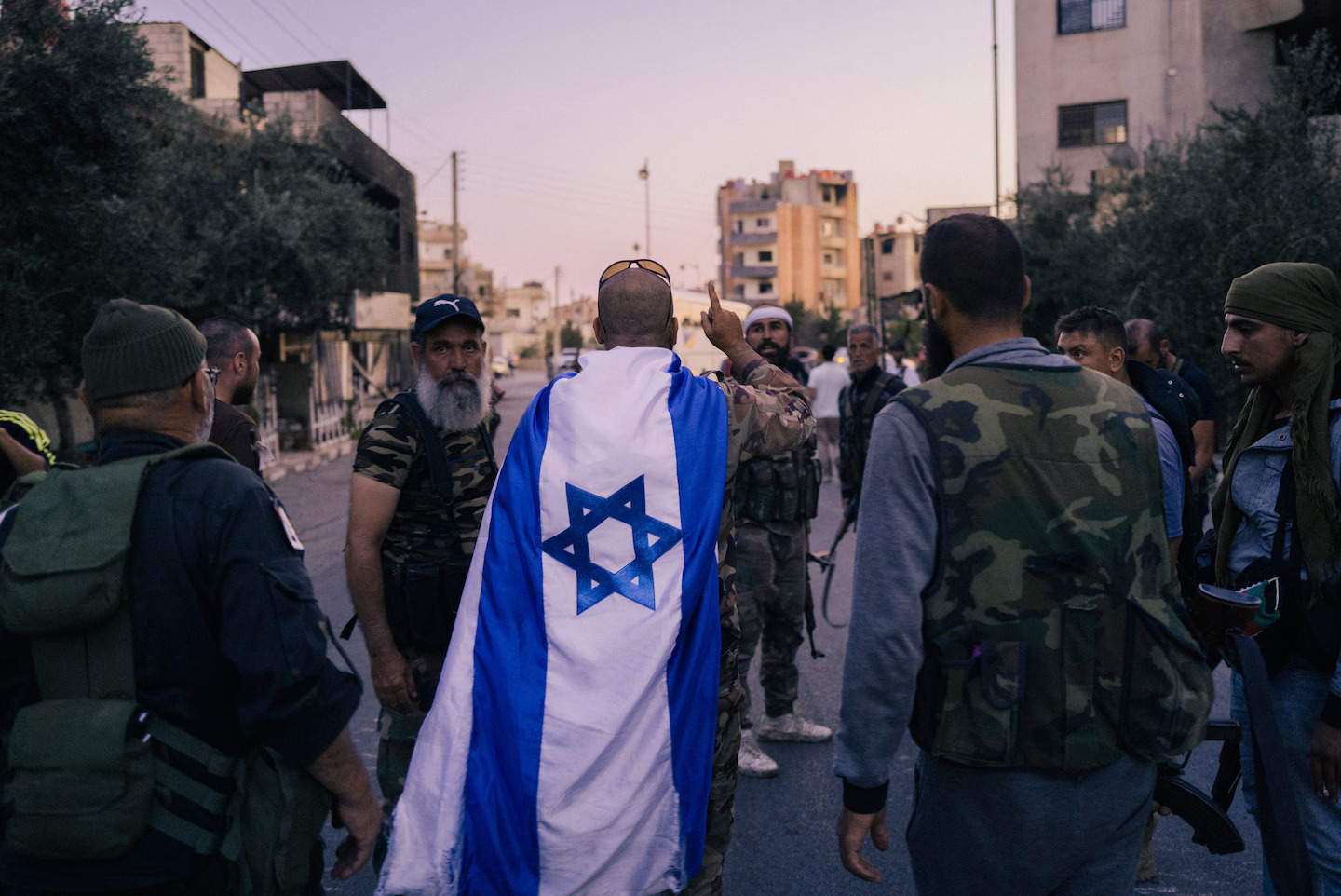
According to the Post, Israeli helicopters began airdropping rifles, ammunition and body armor to Druze militias in southern Syria just nine days after Assad was removed from power. Two former Israeli officials told the newspaper the initial shipment included roughly 500 rifles. Those efforts were not improvised. Israeli intelligence officials had already identified and cultivated “local partners” in anticipation of regime collapse, the investigation found.
Using Intermediaries and Long-Standing Networks
Central to the early effort was Israel’s use of intermediaries, including the Syrian Democratic Forces (SDF), a PKK-aligned militia that maintains ties with Israel. Former Israeli officials told the Post prior to Assad’s fall funds were funneled through the SDF to help establish a Druze militia known as the Military Council in Suwayda province. One official said $24,000 was sent to refurbish a command center and purchase uniforms, while additional transfers from the SDF totaled as much as $500,000.
The Post reported that the SDF also trained Syrian Druze fighters, including women, in northern Syria. That relationship, according to Kurdish and Druze sources cited by the newspaper, continues today. The intent, Israeli officials said, was to create a “counterweight” to Damascus while avoiding a direct Israeli footprint on the ground.
Suwayda’s Fractured Politics
While Israel viewed the Druze as a natural ally, the Post found that Suwayda lacks unified support for separatist ambitions. Sheikh Hikmat al-Hijri, a prominent Druze cleric, emerged as a key advocate for “autonomy” backed by Israel. However, Israeli officials increasingly questioned his reliability and influence.
“There’s a growing recognition that not all Druze have rallied around” Hijri, one Israeli official told the Post. Internal rivalries intensified after Hijri pushed to consolidate control over armed groups, sidelining other leaders and fueling accusations of abuses and criminal ties. Former Israeli officials cited by the newspaper said those divisions complicated any effort to build a durable proxy force.
Strategic Doubts and Regional Fallout
Israeli support peaked in April 2025 preceding clashes in July between Syrian forces and extremist Druze fighters, then declined as Israel opened talks with Syria’s new government. By August, Israel halted weapons transfers, though nonlethal aid and monthly stipends reportedly continued, according to Druze officials quoted by the Post.
Some US and Israeli analysts interviewed by the newspaper warned the strategy risked undermining prospects for a unified Syria. Dana Stroul, a former senior Pentagon official, said Israeli actions frustrated Washington’s efforts to stabilize the country, telling the Post they “were setting back something most of Washington and everyone in the Middle East would actually like to see succeed.”
The Post’s investigation underscores how Israel’s early and covert involvement, while rooted in security concerns, has only served to deepen tensions in southern Syria without producing a clear or unified local partner or contributing to regional security.