
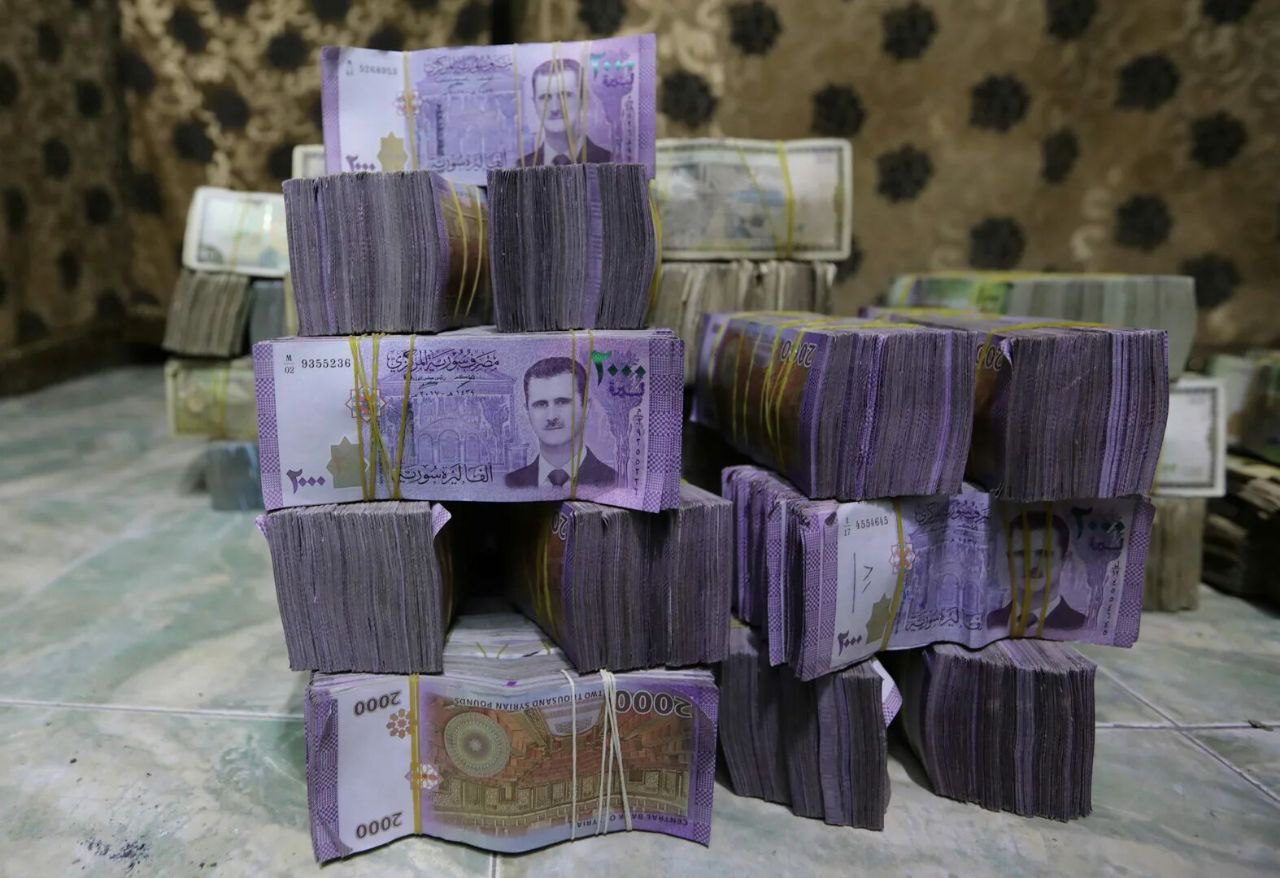
 The Central Bank of Syria (CBS), announced the executive instructions for launching the new Syrian currency, stressing this step is not merely procedural but represents a pivotal milestone within a comprehensive institutional reform strategy. The move aims to strengthen public confidence in national institutions and lay the foundations for sustainable economic stability.
Pillars of the Reform Strategy
During a press conference held at CBS’s headquarters in Damascus, it was explained that Syria’s economic reform strategy is built on five main pillars: achieving monetary stability, establishing a stable and transparent exchange market, building fair and efficient financial institutions, advancing secure and effective digital transformation, and developing balanced international economic relations.
Achieving these goals requires updating financial laws and regulations in line with the highest transparency standards, keeping pace with global digital developments, and ensuring sustainable sources of funding and professional training.
Currency Replacement Process and Protection Mechanisms
The bank outlined the technical and time-related details of the currency replacement process. Beginning with redenomination, by removing two zeros from the existing currency, meaning that every 100 Syrian pounds (SYP) will equal one new SYP.
The transition period will last 90 days, with the possibility of extension, during which both the old and new currencies will be accepted simultaneously. The replacement process will be conducted free of charge, with a strict prohibition on imposing any fees or commissions on citizens under any circumstances.
All public and private entities will be required to apply the new standard to prices, salaries, wages, and financial obligations. Official exchange rate bulletins for both currencies will be issued to ensure transparency and prevent speculation.
Guarantees for Monetary Stability and Public Confidence
The bank presented a set of guarantees designed to reinforce confidence in the new currency. These include an institutional transformation aligned with the Central Bank’s 2026–2030 strategy to elevate it to international standards, continuous market monitoring to control exchange rate fluctuations, and maintaining money supply levels without unjustified expansion or contraction.
The CBS will also ensure liquidity by supplying the new currency when demand increases, adopt a fiscal-control-based policy to combat inflation, and counter counterfeiting through contracts with leading international currency-printing companies.
Advancing Digital Transformation
The Central Bank is working on a national strategy to modernize payment systems. Temporary solutions are being provided to banks to address electronic payment challenges, paving the way for broader digital transformation within the financial sector and improving efficiency and transparency.
The statement concluded by affirming that the new SYP represents a fresh beginning for the national economy and a tangible expression of the Central Bank’s commitment to reform. It stressed that trust in the national currency is built through balanced policies and measurable results, expressing confidence that this step will enhance economic stability and help address the damage accumulated over previous years.