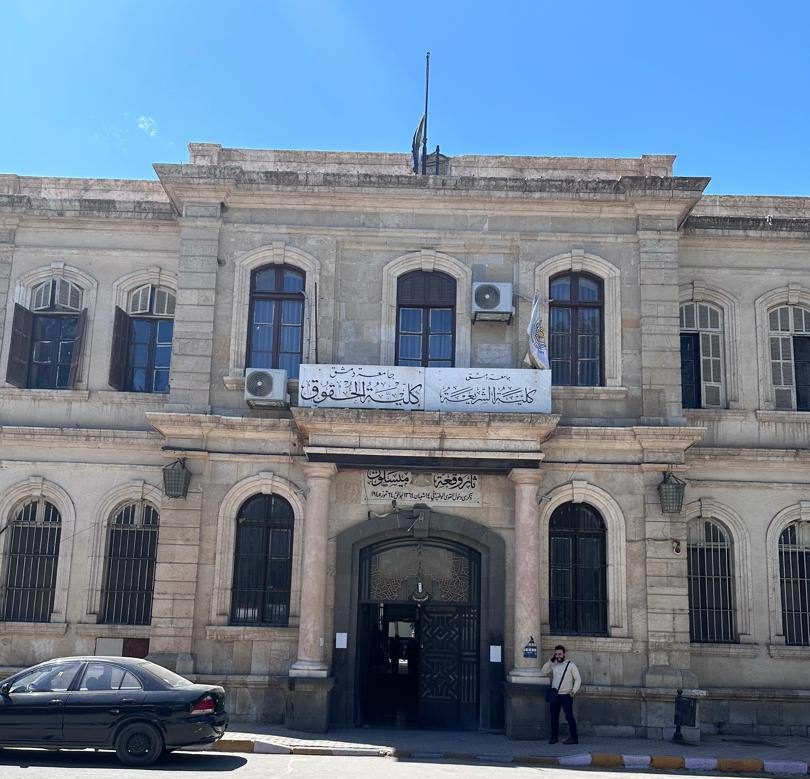
 Six Syrian universities, both public and private, have been included in the 2025 Arab University Rankings, marking a notable improvement in Syria’s higher education performance. Damascus University led the national list, ranking 54th among over 1,497 Arab universities and research centers. This expanded presence reflects growing attention to academic quality, research output, and institutional development across Syria’s higher education sector.
Improvements in Higher Education, Academic Development and Research
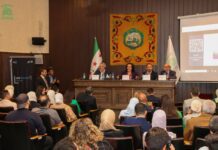
Dr. Marwan al-Raie, Director of the Classification Office at Damascus University, stated that the results highlight rising competition among Syrian universities and sustained efforts to improve educational quality. He described Damascus University’s 54th-place ranking as a significant achievement, reflecting progress in academic programs, curriculum modernization, and alignment with labor market needs. Raie noted this advancement mirrors broader reforms aimed at upgrading teaching methods and strengthening institutional performance despite ongoing challenges.
According to Raie, Damascus University’s progress is the result of continuous efforts by university leadership, faculty members, and students to enhance the learning environment and expand scientific research. He described the ranking as a historic milestone reflecting long-term investment in education quality and research capacity.
He expressed confidence that further achievements are likely as universities continue to develop academic programs, support research initiatives, and contribute to social and economic development. The results, he added, serve as an incentive for all Syrian universities to pursue academic excellence at both Arab and international levels.
Rigorous Criteria Behind the Rankings
The Arab University Rankings are overseen by the Arab University Classification Council in cooperation with the Arab League Secretariat, the Association of Arab Universities, and partner organizations. The system relies on a comprehensive set of standardized indicators to ensure objectivity.
Evaluation criteria include teaching and learning quality, scientific research, innovation and entrepreneurship, creativity, international and local cooperation, and community service. Each category is assessed through multiple measurable indicators, providing a balanced assessment of institutional performance across the Arab world.