A New York Times (NYT) investigation details how Bashar al-Assad’s government orchestrated a systematic effort to conceal evidence of war crimes as international scrutiny intensified. According to the report, senior security officials gathered in the fall of 2018 at the presidential palace overlooking Damascus to discuss how to obscure mass graves, torture in prisons and the fate of tens of thousands who disappeared under the Assad regime.
Two people present at the meeting told NYT that Kamal Hassan, then head of the Palestine Branch of Syrian intelligence, proposed erasing the identities of detainees who died in secret prisons. Ali Mamlouk, head of the National Security Bureau, agreed to consider the idea, the witnesses said. Months later, security branches began altering or destroying records tied to deaths in custody, according to documents and interviews reviewed by the newspaper.
Paper Trails Were Liabilities
For years, Syria’s intelligence services meticulously documented interrogations, deaths and even photographs of detainees, a practice encouraged by Russian and Tunisian advisers early in the war, former officials said. Those archives later became a liability. In January 2014, over 6,000 photographs of dead prisoners were smuggled out of Syria by a military photographer known as Caesar and later presented to the UN Security Council by France.
After the leak, senior officials met to plan a response, according to a memo reviewed by NYT. The document urged officials to avoid details, question Caesar’s credibility and cast doubt on the authenticity of the images. The newspaper confirmed the meeting through former Assad officials familiar with the discussions.
Erasing Identities and Contriving Confessions
By 2019, at least two security branches, including Branch 248 and the Palestine Branch, began removing identifying numbers from bodies sent to military hospitals in Damascus, according to hospital employees and internal documents. Other memos marked “Top Secret” show officials debating whether to record detainee deaths in the civil registry. Major General Muhammad Kenjo al-Hassan warned that informing families posed risks, the documents said.
In 2020, Mamlouk ordered security services to fabricate confessions for detainees who died in custody, backdating them to provide legal cover, according to two former officials. The Times reviewed copies of such confessions, which former Assad regime officers said were forged.
Mass Graves and Witnesses
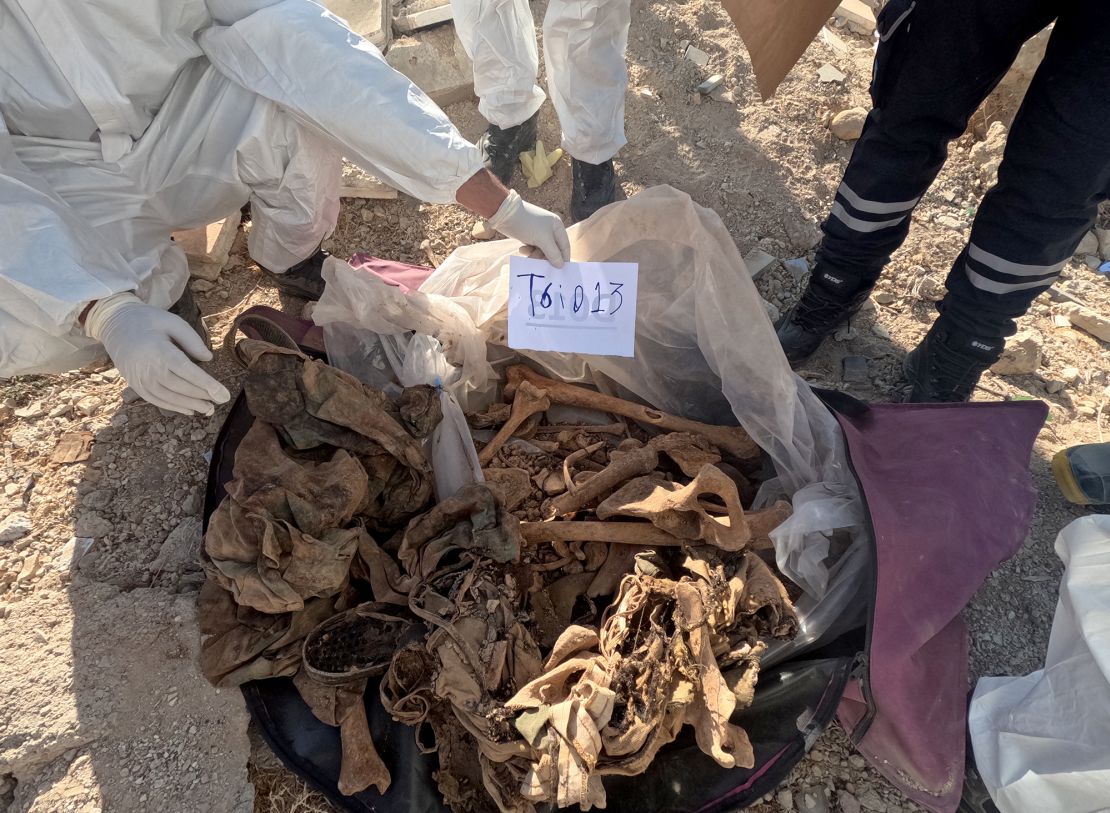
The investigation also documents mass burials overseen by Brig. Gen. Mazen Ismander around Damascus. Former colleagues told the newspaper he organized teams to move bodies from military hospitals to cemeteries. When a grave near Qatifa was exposed in 2019, Ismander ordered the remains relocated to a desert site northeast of the capital, witnesses said. Reuters first reported the relocation in October.
Ahmad Ghazal, a mechanic who repaired the trucks used in the operation, told NYT, “There were civilians, people wearing military clothes, old men with white beards, and naked people.”
Accountability and Unresolved Loss
Under Assad’s rule, over 100,000 people were forcibly disappeared, according to UN statistics. While senior figures have largely escaped prosecution, German courts have sentenced two lower-ranking officials to life imprisonment, and French judges issued arrest warrants in 2023 for Mamlouk, Assad and others.
For families, the absence of answers remains devastating. Abdulhadi al-Ali, whose brother disappeared in 2013, asked, “How can I find peace?” He added, “Where did they take him? How did they kill him? These are the questions that continue to haunt me.”
The Times report concludes that despite years of concealment, the Assad regime’s own records and witnesses ultimately exposed the scale of its crimes, leaving accountability unresolved but no longer avoidable.