 In a significant diplomatic development, Syria reaffirmed its full commitment to permanently resolving the chemical weapons issue, while the UN welcomed Damascus’s cooperation, describing recent steps as genuine progress toward closing this long-standing and complex file.
Addressing the Legacy of the Previous Regime
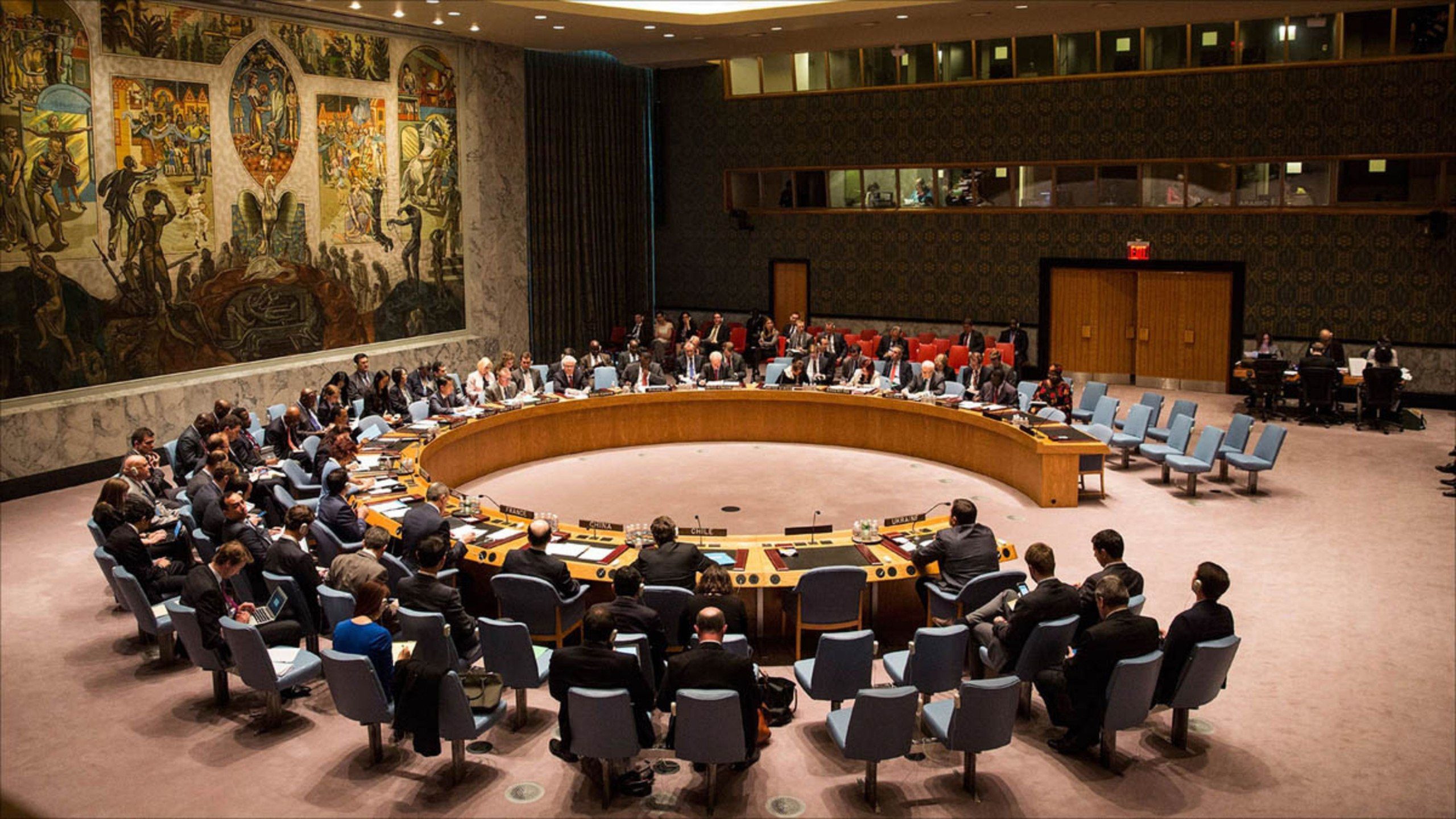
Speaking during a UN Security Council session, Syria’s Permanent Representative, Ambassador Ibrahim Olabi, said his country is seeking international support to eliminate what he described as the “heavy legacy” of chemical weapons inherited from the Assad regime. He stressed that the new Syrian government has adopted a fundamentally different approach, shifting the issue “from a phase of skepticism and manipulation to one of partnership” with the Organization for the Prohibition of Chemical Weapons (OPCW).
Olabi acknowledged that Syria continues to face challenges stemming from the secrecy of the former program and the absence of institutional memory. Nevertheless, he said the government has taken concrete steps, including granting full access to international inspection teams. These efforts have enabled visits to 23 sites, the submission of over 6,000 documents, and interviews with witnesses linked to the former program.
UN Welcomes ‘Tangible Progress’
Acting Head of the UN Office for Disarmament Affairs, Adediji Ebo, welcomed Syria’s actions, describing them as “real and tangible progress.” He highlighted key developments, including the reactivation of the Syrian National Commission on Chemical Weapons and the appointment of a new Permanent Representative to the OPCW.
Ebo revealed that, with Syrian facilitation, OPCW teams have visited 19 sites since March 2025, collecting samples and conducting field interviews. He confirmed that plans are underway to inspect more than 100 additional sites, reflecting the expansion of verification efforts and the importance of sustaining cooperation.
Remaining Challenges and Need for Support
Despite the progress, Ebo cautioned that upcoming stages, particularly the destruction of remaining materials, will be technically complex and require continued international assistance. Ambassador Olabi echoed this concern, calling for serious financial and technical support, especially in areas such as on-site destruction, demining, and the removal of explosive remnants of war. He noted that Syrian institutions remain strained after years of conflict.
The convergence of Syria’s stated political will and the UN’s acknowledgment of progress places the chemical weapons file on a new trajectory. While transparent cooperation with the OPCW signals a clear intention to close this chapter, full compliance with the Chemical Weapons Convention will depend on sustained international engagement to overcome the significant technical and logistical challenges remaining.