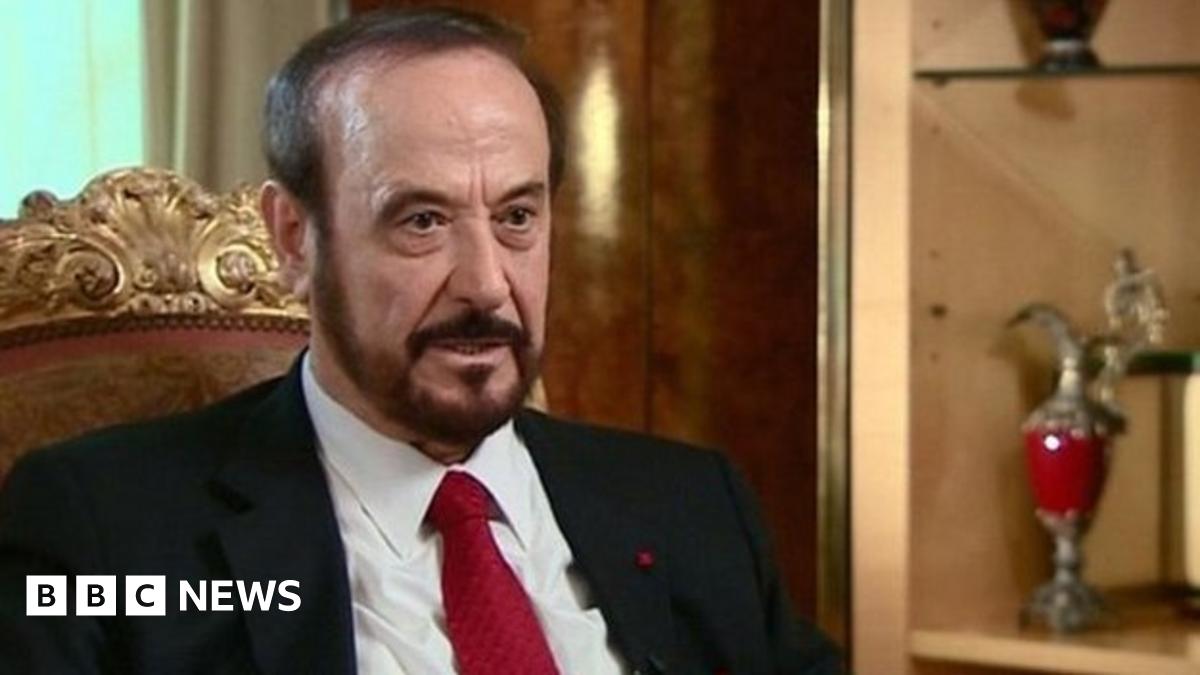
In an unprecedented legal and diplomatic step, France has begun concrete procedures to return part of the vast fortune embezzled by Rifaat al-Assad, the uncle of Bashar al-Assad, from Syria’s public treasury decades ago and hidden in European assets.
Initial Transfer and Bilateral Cooperation
Mazen Darwish, head of the Syrian Center for Media and Freedom of Expression, confirmed that the French government is preparing to transfer €32 million to Syria as an initial installment. The move falls within financial and legal cooperation mechanisms between Paris and Damascus and is grounded in France’s 2021 law on development and combating global inequality.
The law allows confiscated illicit assets to be returned to affected populations through development-oriented frameworks. Darwish noted that efforts are ongoing to expand the scope of confiscations to more than €80 million, including luxury real estate holdings in Paris and other French cities.
Legal Framework
International lawyer Mutasim al-Kilani explained that the process is based on final and binding rulings by the French judiciary. A 2020 decision by the Paris Court of First Instance established that Rifaat al-Assad’s wealth stemmed from large-scale embezzlement of Syrian public funds during the 1980s, as well as corruption and tax evasion offenses in Europe. This ruling was later upheld by the French Court of Cassation, which ordered the confiscation of all his assets in France.
Kilani noted that French courts had previously refused to return the funds to the former Assad regime, citing concerns they would be used to repress civilians. The current arrangements, he said, are distinguished by legally binding guarantees regarding the use of the recovered assets. Rifaat al-Assad’s confiscated assets in France are estimated at nearly $100 million, while frozen assets in Spain are believed to total around $700 million.
Use of Funds and Oversight Mechanisms
A key element of the agreement lies in determining how the recovered funds will be used. Protocols signed by both governments stipulate that the money will be allocated to developmental and humanitarian projects inside Syria, under the supervision of the French Ministry of Foreign Affairs. French law requires that proceeds from confiscated corruption assets be returned to the people of the affected country through clearly defined development programs.
On the political level, French MP Gabrielle Catallat has raised parliamentary questions to ensure transparency in the recovery and transfer mechanisms. Meanwhile, French authorities have begun liquidating confiscated properties, including the Harras de Besancq estate, which has been listed for sale at €2.1 million, with the transaction expected to conclude before mid-2026.
A Precedent for Accountability
Observers view the move as a landmark precedent in international efforts to recover stolen public wealth and pursue accountability for corruption linked to former regimes. Darwish pointed to ongoing legal proceedings in Spain to seize additional assets, as well as a pending case in Denmark against a company accused of supporting war crimes in Syria.
Kilani emphasized that the international arrest warrant issued against Rifaat al-Assad “opens the door to holding symbols of corruption from the former regime accountable,” stressing that these funds are Syrian public assets that must ultimately return to their rightful owners.