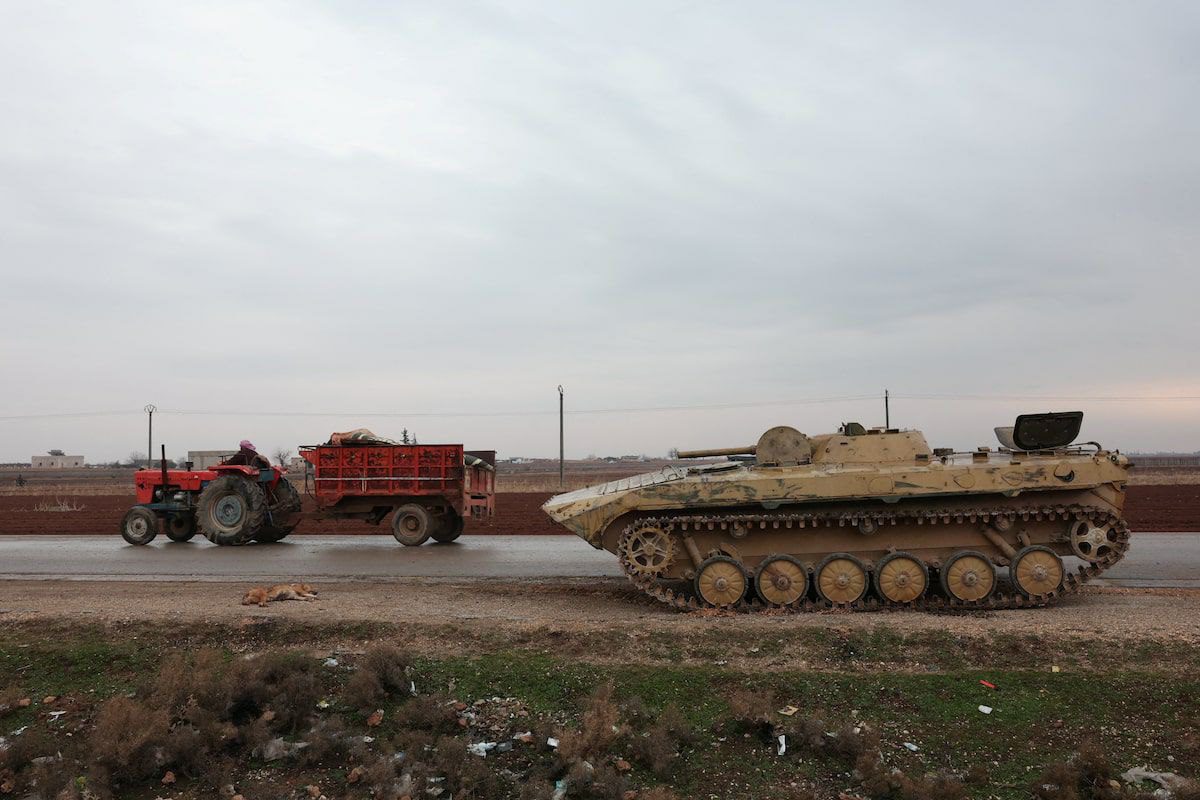
 Syrian government forces moved swiftly this week to take control of Raqqa and Deir Ezzor provinces after the rapid withdrawal of the Syrian Democratic Forces (SDF), evidencing the group’s vulnerability amid limited international backing and growing local opposition. The advance followed days of clashes east of Aleppo and culminated Sunday, Jan. 18, with a ceasefire and integration agreement announced by Damascus.
The Kurdish-led SDF, which had controlled much of northeastern Syria for over a decade with US support, appeared unable to hold territory as government forces and local tribal fighters advanced. Armed Arab clans in Raqqa and Deir Ezzor, long critical of SDF rule, launched coordinated uprisings that preceded the army’s entry. An Associated Press reporter said residents in Raqqa city greeted incoming Syrian army convoys, while SDF units withdrew from checkpoints and key infrastructure, including oil and gas fields and dams.
Local Sentiment and Absence of Displacement
Human rights monitors pointed to the lack of civilian displacement as a striking feature of the advance. Fadel Abdulghani, director of the Syrian Network for Human Rights (SNHR), said residents did not view advancing government forces as an occupying power, or threat.
“This development suggests that the local population does not perceive the advancing forces as an external or hostile presence,” Abdulghani said in a statement, adding that SNHR documented “hundreds of thousands of violations” during years of SDF control in the Syrian Jazeera region (Deir Ezzor, Hasakah and Raqqa). Abdulghani said the absence of mass flight in Raqqa and Deir Ezzor indicated broad local acceptance of the change in authority after years of coercive governance and abuses attributed to SDF-linked forces.
Ceasefire and Integration Agreement
On Sunday evening, Syrian President Ahmad al-Sharaa announced a comprehensive ceasefire and a final agreement to dismantle the SDF as a separate force. Under the deal, Raqqa and Deir Ezzor are handed over fully to Damascus, while SDF fighters will be integrated individually into the Syrian army and security services after vetting.
The agreement also transfers control of border crossings, oil and gas fields, and facilities holding ISIS detainees to the central government. A presidential decree issued earlier recognizes Kurdish cultural and linguistic rights and addresses property and civil registration disputes. “It’s a victory for all Syrians of all backgrounds,” Sharaa told journalists in Damascus after signing the accord.
International Reaction and Cautious Support
The US, whose forces have partnered with both sides against ISIS militants, welcomed the ceasefire. US envoy Tom Barrack called it a “pivotal inflection point” toward a unified Syria in a post on X after meeting Sharaa. French President Emmanuel Macron also backed integration over continued fighting, calling the Kurdish rights decree “a step in the right direction.”
Despite that support, there remains no clear timeline for implementing the agreement. Syrian officials said the process will begin with a sustained halt to hostilities as Damascus works to consolidate control and restore state institutions across the northeast.