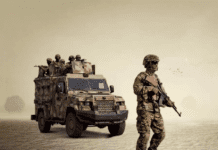
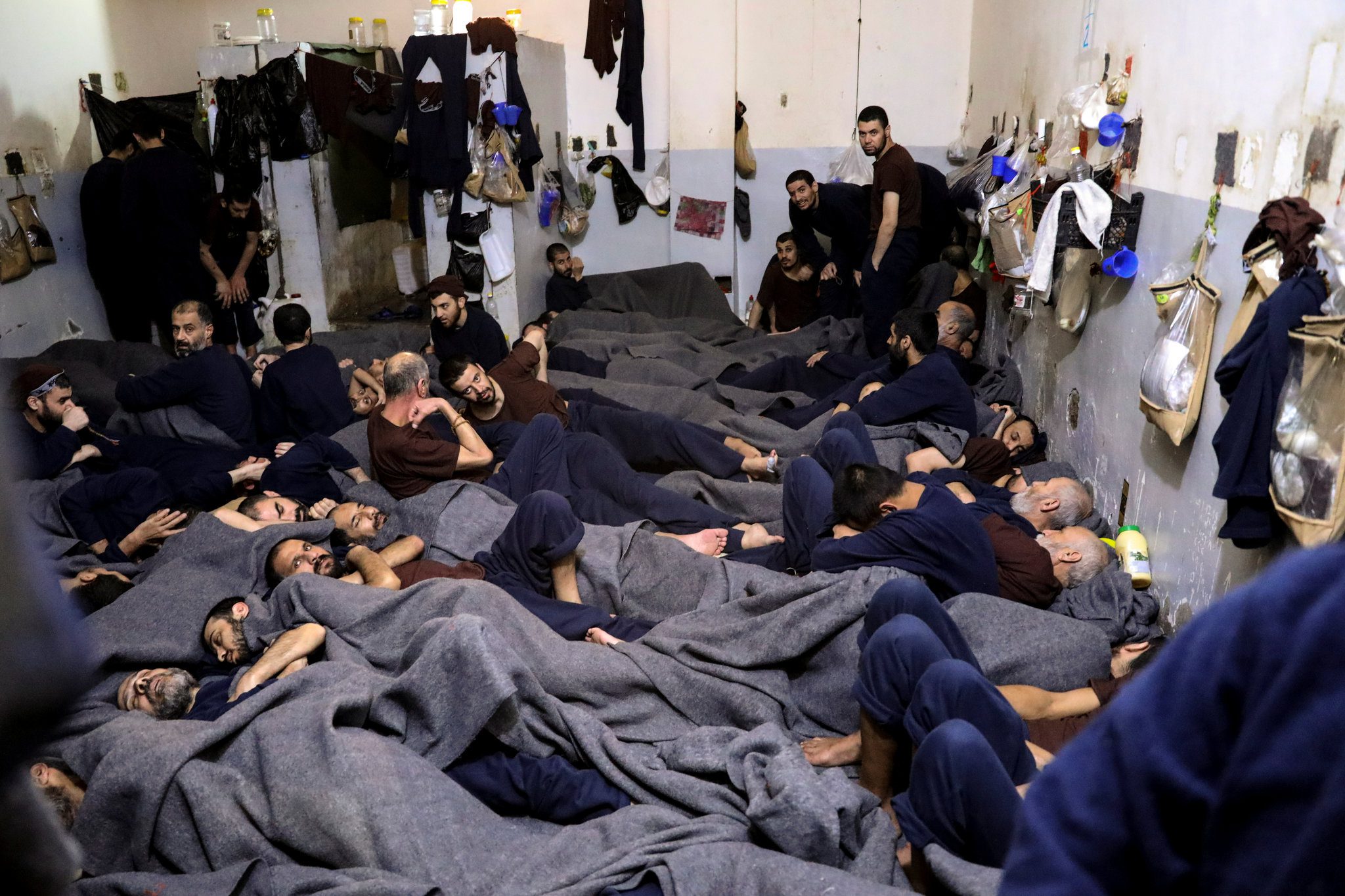
Security tensions escalated in northeastern Syria as Syrian army units advanced into the Shaddadi area under a Jan. 18 agreement with the Syrian Democratic Forces (SDF), prompting accusations that the SDF released ISIS detainees as a pressure tactic against Damascus. The Syrian government said the move followed what it described as a misleading SDF statement claiming government forces had attacked Shaddadi prison, which holds thousands of ISIS members.
The SDF said Monday that Shaddadi prison in Hasakah province was subjected to repeated attacks by forces it described as “affiliated with the Syrian government,” adding that the facility was no longer under its control.
The SDF claimed dozens of its fighters were killed or wounded while attempting to prevent what it called a security catastrophe and criticized the nearby international coalition base for failing to intervene, despite repeated requests. The statement was issued by the SDF media center.
Analyst and author, Aaron Y. Zelin, commented on X social media platform, “Huge accusation by Damascus that the SDF released IS prisoners in Shaddadi. Should note that based on track record over past two weeks, Damascus’ claims have been vindicated while statements from SDF have proven false.”
Local sources reported that a limited number of prisoners escaped during the chaos, while Syrian army units began combing operations around Shaddadi to locate them. The Syrian Army Operations Authority later confirmed a curfew in and around the city and said army units were securing the prison and surrounding areas, according to the Syrian Arab News Agency.
Damascus Rejects Accusations and Cites Blackmail
In response, the Syrian government rejected the SDF’s claims, accusing the so-called Autonomous Administration of exploiting the terrorism file for political and security blackmail. In a statement carried by SANA, Damascus said the SDF narrative contained fallacies intended to mislead international public opinion and create confusion at a sensitive moment.
“The warnings regarding the danger of reactivating ISIS cells are nothing more than political maneuvering and security pressure tactics,” the statement said. It added that linking the restoration of state sovereignty and law enforcement to such threats amounted to an attempt to perpetuate what it called an illegitimate authority imposed by force.
Responsibility for Detainees and Security Breaches
The Syrian state declared its full readiness to secure detention centers in line with approved international standards and to prevent the resurgence of terrorism, framing the issue as part of its obligations to regional and international security. Damascus held the SDF fully responsible for any security breaches or facilitation of ISIS escapes, warning that such actions would be treated as war crimes and direct collusion with terrorism.
The Operations Authority said Shaddadi prison and local security facilities would be handed to the Ministry of Interior after search operations concluded, adding that contacts with mediators and SDF leaders to arrange an orderly handover had been rejected.
Broader Implications for Stability
The crisis unfolded as part of a broader agreement signed Sunday between President Ahmad al-Sharaa and the SDF, which included a ceasefire, SDF withdrawal from certain areas and the integration of prison and camp administrations into state institutions. Reuters, citing Turkish security sources, described the agreement as a historic turning point.
Syrian officials stressed that restoring legitimate institutions and the rule of law remains the only sustainable path to ending terrorism and ensuring long-term security and stability across northern and eastern Syria.