
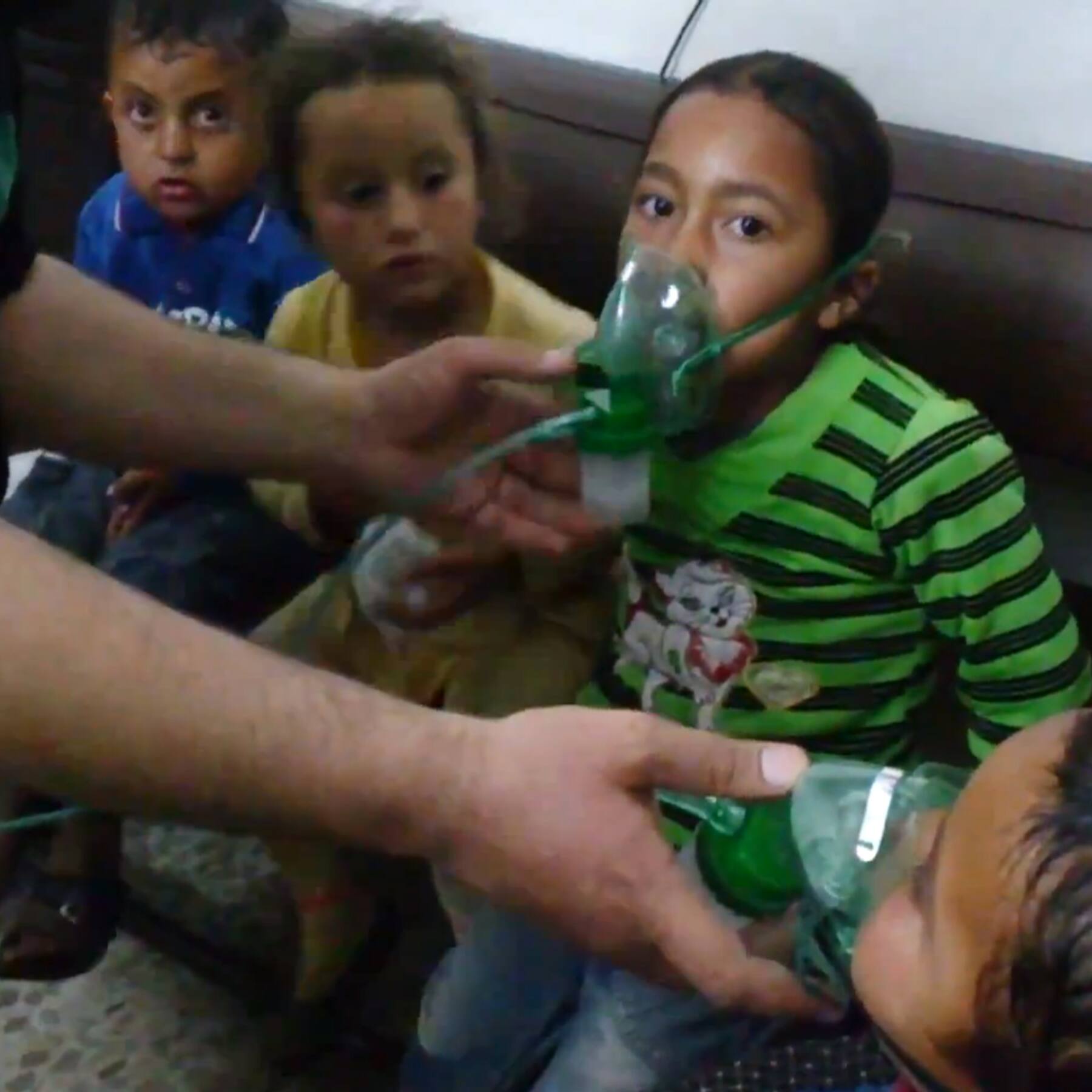
The Organization for the Prohibition of Chemical Weapons (OPCW) concluded there are reasonable grounds to believe the Air Force under the ousted Assad regime carried out a chlorine gas attack on the town of Kafr Zita on Oct. 1, 2016. The findings appear in the organization’s fifth report identifying perpetrators of chemical weapons use in Syria, released this week by the OPCW Investigation and Identification Team.
According to the report, a Syrian air force helicopter dropped at least one yellow pressurized cylinder over Wadi al-Anz near the Maghara Hospital. The cylinder struck a cave system and ruptured on impact, releasing chlorine gas that spread through the valley. The OPCW documented injuries to 35 identified individuals, with dozens of others affected by exposure.
The investigation covered the period from March 2024 through December 2025 and relied on a wide range of corroborated evidence, including environmental samples, witness interviews, satellite imagery, video footage and computer modeling, the OPCW said.
How Investigators Reached Their Conclusions
The OPCW Secretariat said it applied the standard of “reasonable grounds,” an internationally accepted threshold used by fact-finding bodies. Investigators drew on material gathered by the OPCW Fact-Finding Mission, submissions from states parties to the Chemical Weapons Convention and analyses conducted by accredited laboratories.
The report also examined claims and explanations submitted by authorities linked to the former Assad regime. Investigators said those positions lacked verifiable information to support them. With this report, the OPCW has now issued five determinations attributing responsibility for chemical weapons use in seven separate incidents in Syria.
Syrian Cooperation After Regime Collapse
Syria’s permanent representative to the OPCW, Muhammad Kattoub, described the report as historic, saying it marked the first full cooperation by Syrian authorities with the Investigation and Identification Team. He told the state-run Al-Ikhbariyah channel that investigators concluded a helicopter from the Tiger Forces, led by Suhail al-Hassan, dropped the chlorine cylinder used in the Kafr Zita attack.
Kattoub said Syria provided investigators with full access to initial documents and information for the first time since the team was established. He added that Syria’s support for the investigation reflects a commitment to accountability and justice for victims.
International Reaction and Accountability Calls
OPCW Director-General Fernando Arias welcomed the assistance from Syria’s new authorities, calling it a pivotal moment for international accountability. In a statement included in the report, Arias said the findings add to evidence of a systematic pattern of chemical weapons use by the Assad regime and place responsibility before the international community and the UN.
British envoy to Syria Anna Snow said on X that the report confirms the Assad regime’s responsibility for the 2016 chlorine attack in Kafr Zita. She described the use of chemical weapons as heinous and said there must be no impunity for such crimes. Canada’s ambassador to Syria, Gregory Galligan, also welcomed Syrian cooperation with the OPCW, saying on X that Canada supports efforts to verify and destroy chemical stockpiles and address past violations.
Syria joined the Chemical Weapons Convention in 2013, but the OPCW said the former regime failed to fully declare its program. Following the regime’s fall in December 2024, the organization reestablished a continuous presence in Syria in November 2025 to support verification and destruction efforts, according to the report.