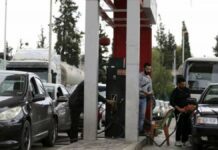
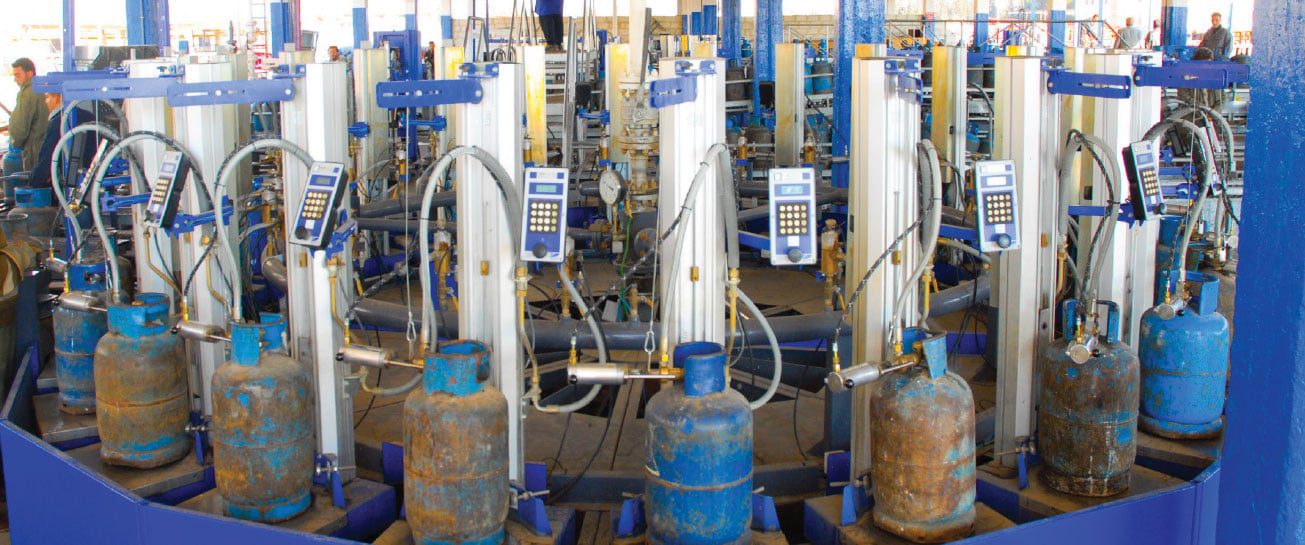
 Syria is witnessing unprecedented demand for liquefied petroleum gas (LPG), with daily consumption exceeding 1,700 tons, equivalent to around 170,000 household cylinders, driven by peak winter heating needs. About 200 tons of this amount are allocated to industrial use, while the bulk is directed toward domestic cooking and heating, placing immense strain on the country’s already challenged energy sector.
Wide Gap Between Supply and Demand
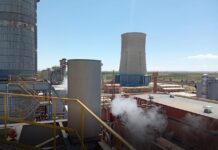
Despite soaring demand, domestic production remains extremely limited. Current output stands at only around 110 tons per day, covering approximately 6.5% of total needs. This production comes mainly from the Ebla and South Central Region plants.
Safwan Sheikh Ahmad, Director of Corporate Communications at the Syrian Petroleum Company (SPC), explained that the shortfall is largely due to the sharp decline in the capacity of key gas and refinery facilities, most notably the Conoco plant, whose output has dropped significantly since 2011.
Maritime Imports to Ease Seasonal Shortages
To compensate for the gap, Syria has intensified maritime imports. The Banias oil port has recently seen heightened activity, with four tankers unloading more than 19,600 tons of liquefied gas. These included: 3,850 metric tons from ECO CHIOS, 3,839 metric tons from GAS SPANAKOPTIA, 4,799 metric tons from GAZ REDSEA, and the largest shipment over 7,186 metric tons from GAZ PROVIDENCE.
Following strict technical inspections, the gas is pumped into onshore storage tanks and then distributed to filling plants across the governorates under flexible distribution plans aimed at stabilizing the market and ensuring steady supply.
Development Plans and Strategic Reserves
To address the crisis in the medium term, authorities are pursuing several initiatives. These include rehabilitating idle facilities such as the Raqqa gas plant, upgrading filling plants to improve efficiency, and studying the construction of new strategic storage tanks to create a reserve buffer in case maritime imports are disrupted by weather or other factors.
At the same time, the Mahrukat Company has intensified monitoring patrols to prevent the diversion of gas to the black market, particularly during the high-demand winter season. The winter gas shortage underscores the deep structural challenges facing Syria’s energy sector. Supplying a vital commodity like domestic gas currently depends on a fragile balance between limited local production and heavy reliance on maritime imports.
While efforts are underway to regulate distribution, strengthen infrastructure, and build strategic reserves, achieving true self-sufficiency remains a long-term objective that will require substantial investment and comprehensive sector reconstruction.