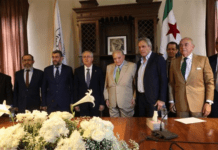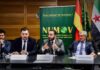
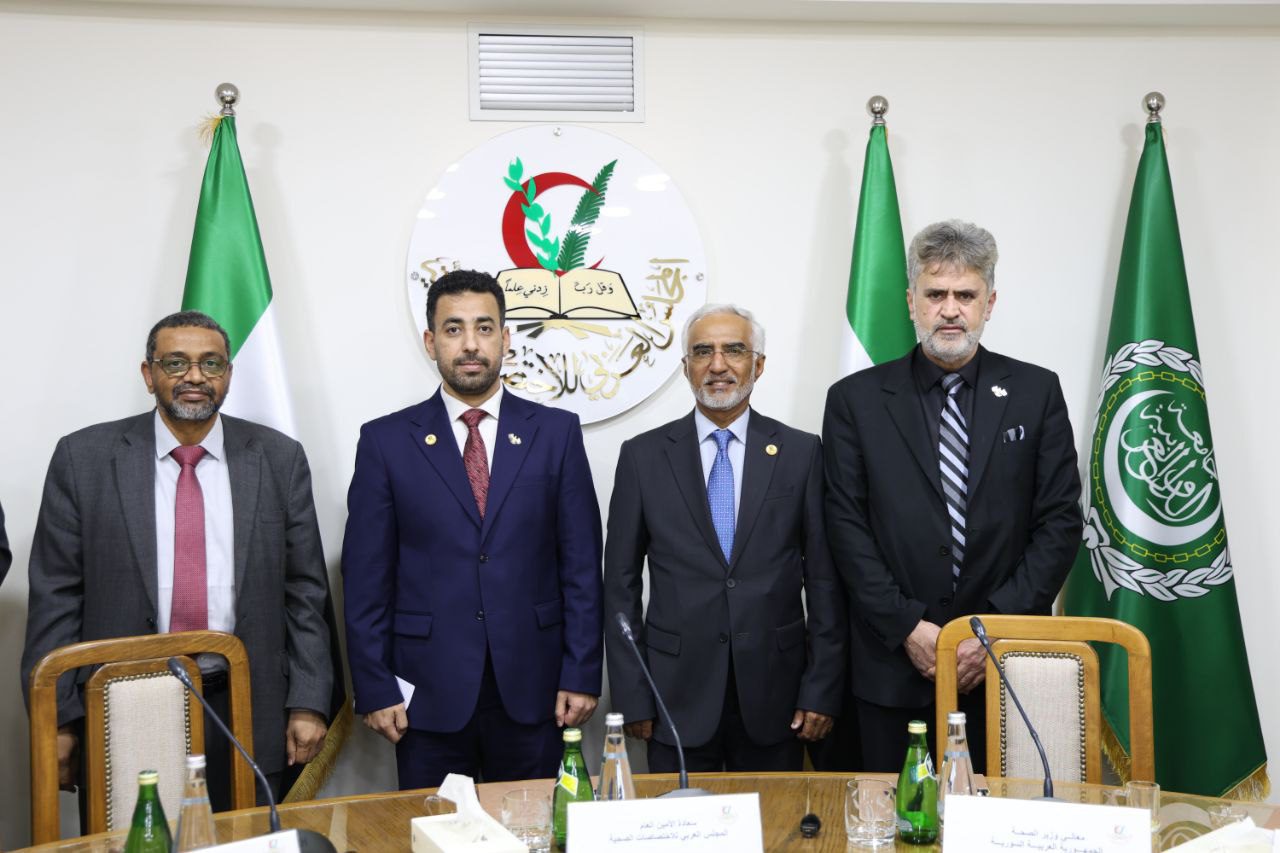
 In a significant step toward restoring Syria’s leading role within the Arab healthcare system, the Arab Board of Health Specializations (ABHS) held its first scientific meeting in Damascus after a 13-year hiatus.
The meeting comes as part of broader efforts to rebuild the country’s health sector and aimed to strengthen the Board’s activities in Syria, address shared regional medical priorities such as community medicine and public health, and empower specialized cadres in line with global advancements.
Participants affirmed Syria’s scientific and historical standing as a center for medicine and knowledge and its long-standing role within the Arab health system. They noted that such meetings provide an important platform for exchanging expertise and advancing both local and regional healthcare practice.
Strategic Pillar for Advancing Syria’s Healthcare System
Health Minister Dr. Musab al-Ali highlighted the importance of relaunching the ABHS’s scientific activities from its historic headquarters in Damascus in a renewed form. He described the move as a pivotal step in keeping pace with technological developments, including artificial intelligence, and in enabling Arab health institutions to advance healthcare services across the region.
Ali stressed the importance of beginning with community medicine, noting its central role in building health systems, training specialists in project and hospital management, and supporting overall healthcare development in Syria. He also underscored the need to strengthen the family medicine specialization program through the Professional Diploma in Family Medicine, implemented by the Arab Board with support from the World Health Organization.
Deepening Ties with Syrian Medical Education
The Arab Board includes over 20 scientific councils across a wide range of medical specialties, with the participation of over 1,200 professors from Arab countries. Ali noted that over 2,300 Syrian doctors obtained Arab Board certifications.
To build on this foundation, he said coordination will be enhanced between the Syrian Board, Syrian universities, and the Arab Board to exchange expertise in accreditation, training, assessment, and evaluation.
Ali praised the Board’s efforts to revive its activities in Damascus and its preparations for the upcoming meetings of the Executive Office and the Supreme Council, scheduled for April. He also commended Syrian doctors for their leading role in restoring Syria’s central position within the Arab Board’s activities and for their continued commitment despite years of challenges.
Damascus as the Permanent Headquarters
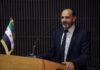
ABHS Secretary-General Dr. Omar Awad al-Rawas emphasized that holding the Board’s meetings and scientific activities in Damascus reaffirms the city’s status as the organization’s permanent headquarters and represents more than a symbolic return. He stressed Damascus has always been, and will remain, the Arab Board’s primary home.
Rawas said hosting the meeting in the Syrian capital carries deep significance, reflecting recent positive developments and the strong interest of academics from across the Arab world in engaging with the Board’s work.
He reiterated that the Arab Board’s core mission is raising healthcare standards by qualifying medical and health professionals, including physicians, nurses, pharmacists, and dentists, through specialized training and continuous professional development, thereby strengthening health systems throughout the Arab region.