
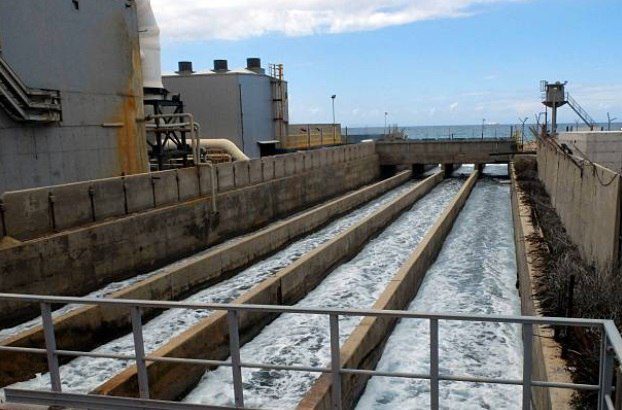
 In an ambitious move to address the escalating water crisis, the Syrian government has launched a major strategic plan in cooperation with specialized Saudi companies to desalinate seawater and transport it from the coast to southern regions. The initiative aims to strengthen national water and food security amid mounting climate pressures.
Syria is facing growing strain on its water resources due to a sharp decline in rainfall over the past decade. Engineer Ahmad al-Kawan, director general of the General Authority for Water Resources, said the deficit has directly affected southern regions, considered the country’s main agricultural belt, prompting the search for innovative and sustainable solutions to secure drinking and irrigation water.
A Mega Project With Saudi Partnership
Energy Minister Muhammad al-Bashir announced the signing of an agreement with a consortium comprising the Saudi companies ACWA Power and the Water Transmission Company (WTCO), describing it as “the largest water agreement in the world.”
The agreement provides for the construction of seawater desalination plants with a total capacity of up to 1.2 million cubic meters per day, alongside a major water transmission system linking the Syrian coast to southern regions, including the capital, Damascus.
Marco Arcelli, CEO of ACWA Power, said the company brings extensive experience in large-scale desalination and water transmission projects worldwide. “ACWA Power has a proven track record in developing and implementing large-scale water desalination and transmission projects around the world, helping countries secure reliable and competitively priced water for their people,” Arcelli said.
“This agreement reflects our commitment to applying this expertise to support long-term water security in Syria, through an organized, phased approach focusing on technical precision, feasibility, and sustainability.” He added that the company looks forward to working closely with the Ministry of Energy to assess solutions that will enhance water infrastructure and support future development.
According to officials, the project will begin with a preliminary study phase lasting one to two years, followed by implementation. Citizens are expected to begin benefiting from the project starting next year. Preliminary studies have also indicated the presence of freshwater springs beneath the sea at a distance of about 500 meters from the shore, opening the door to additional investment opportunities.
Challenges and Alternative Options
Despite official optimism, water expert Nader al-Bunni described transporting water from the coast to inland regions as “extremely complex,” requiring massive financial resources and a long implementation timeframe.
He called for parallel work on more immediate solutions, including reducing water losses in distribution networks, which he said reach about 40%, expanding wastewater treatment plants, and shifting agriculture toward modern, water-efficient irrigation systems.
A Lever for Development and Food Security
Beyond securing drinking water, the project is viewed as a strategic driver for development. Allocating part of the desalinated water to agriculture could help reverse the decline in cultivated areas, ease pressure on depleted groundwater resources, and contribute to building integrated value chains for food production and agro-industry, with positive effects on income levels and employment.
The initiative represents an ambitious response to Syria’s water security challenges amid climate change and population pressures. If successfully implemented, it could play a critical role in addressing water scarcity while contributing to long-term social and economic stability.