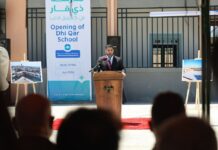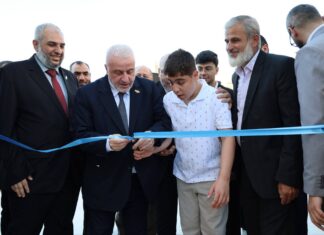
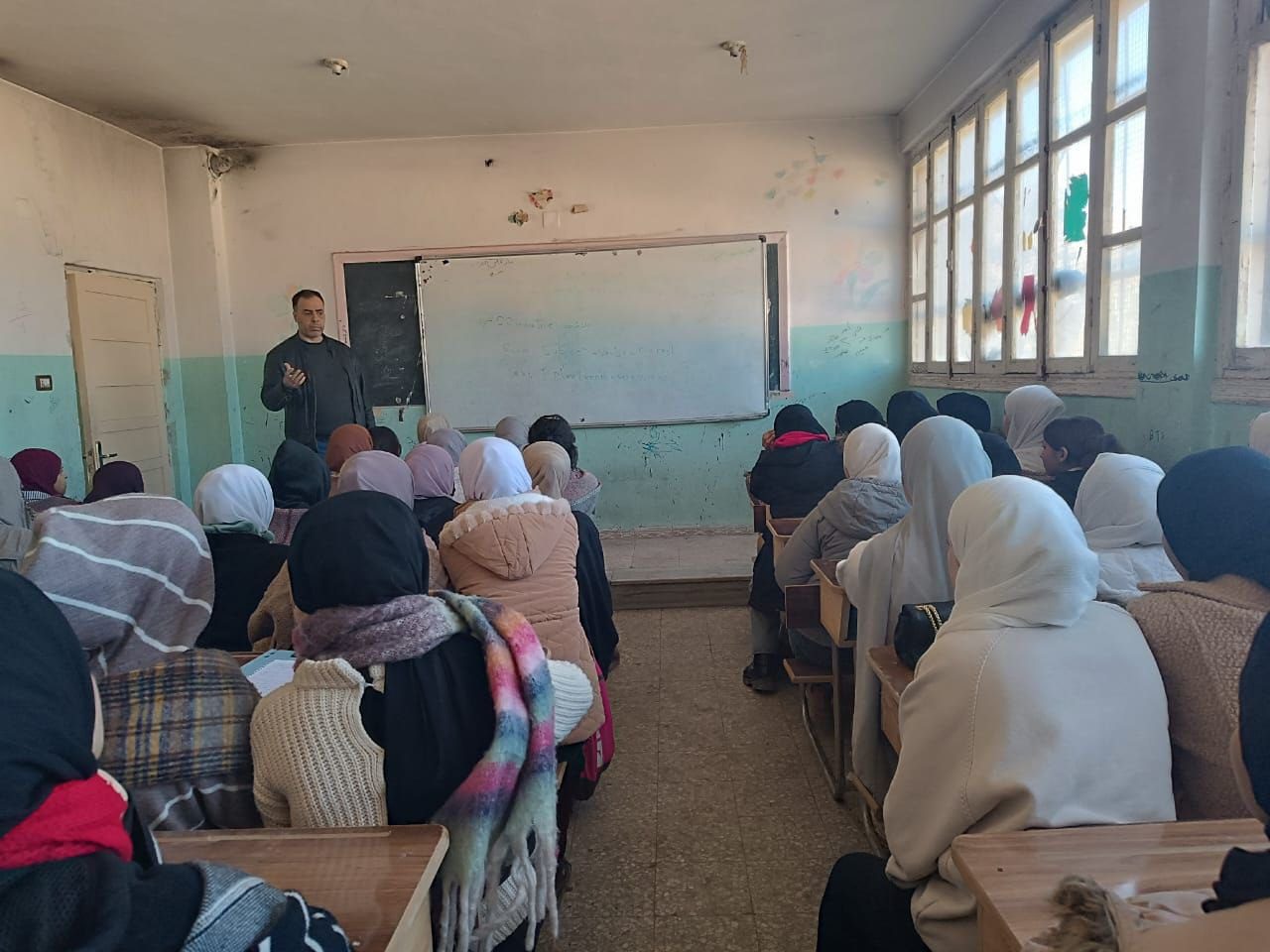
 After years of disruption and instability, schools in Syria’s northeastern Jazeera region, including the provinces of Raqqa, Hasakah and Deir Ezzor, have reopened. In response, the Ministry of Education has launched a field-based plan to rehabilitate the education system, focusing on renovating school buildings, providing textbooks and supplies, securing teaching staff and reintegrating students who had dropped out.
The Educational Situation Under SDF Control
During the period of control by the Syrian Democratic Forces (SDF), the education system in the Jazeera region experienced significant decline. Education became heavily politicized, with curricula introduced that many local residents viewed as inconsistent with the region’s cultural environment, identity and values, a move that drew widespread opposition from parents and students alike.
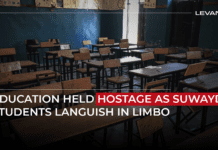
In addition, numerous schools were converted into military headquarters and security centers, depriving thousands of children of access to classrooms and disrupting their right to education. Schools teaching in Arabic or even private or church schools were either closed or marginalized, contributing to a sharp drop in enrollment rates and prompting many students to abandon their studies.
The lack of official recognition for curricula and certificates issued by the self-administration further deepened the crisis. Students faced an uncertain future, as qualifications were not recognized outside SDF-controlled areas. SDF-affiliated universities also lacked official accreditation, limiting students’ access to higher education.
Following the restoration of government control, many families from the Jazeera, who had relocated to Damascus to ensure their children studied under the Ministry of Education’s curriculum have since returned.
Educational Reality After Government Control
Ali al-Saleh, director of education in Deir Ezzor governorate, described the current situation in schools, particularly in recently restored areas, as “acceptable to some extent.” While many schools are operational, he noted disparities in stability and attendance, with some functioning smoothly and others still facing challenges.
Most schools are currently using a UNICEF-supported self-learning curriculum, while some have resumed teaching the official Syrian government syllabus. Field visits indicate a noticeable return of students and growing parental engagement in the educational process.
However, a severe shortage of teachers, particularly in secondary-level science subjects, remains a pressing challenge. The Directorate of Education is addressing the issue through internal transfers and staff reassignments based on teachers’ places of residence. A recent ministry decision to reinstate educational personnel who were previously dismissed is also expected to help fill key vacancies.
Government Rehabilitation Plan
Educational activity has expanded significantly in Raqqa and Deir Ezzor under the direct supervision of the Ministry of Education. In Raqqa, over 200,000 students returned to approximately 1,030 schools. In Deir Ezzor, over 261,000 students have resumed their studies across more than 760 reactivated schools, marking what officials describe as a new phase for education in the region.
According to Hamza Hourieh, director of the ministry’s media department, the rehabilitation plan is built on three core pillars: restoring school infrastructure, securing essential supplies, including textbooks, furniture and teaching materials, and facilitating the return of both students and teachers.