
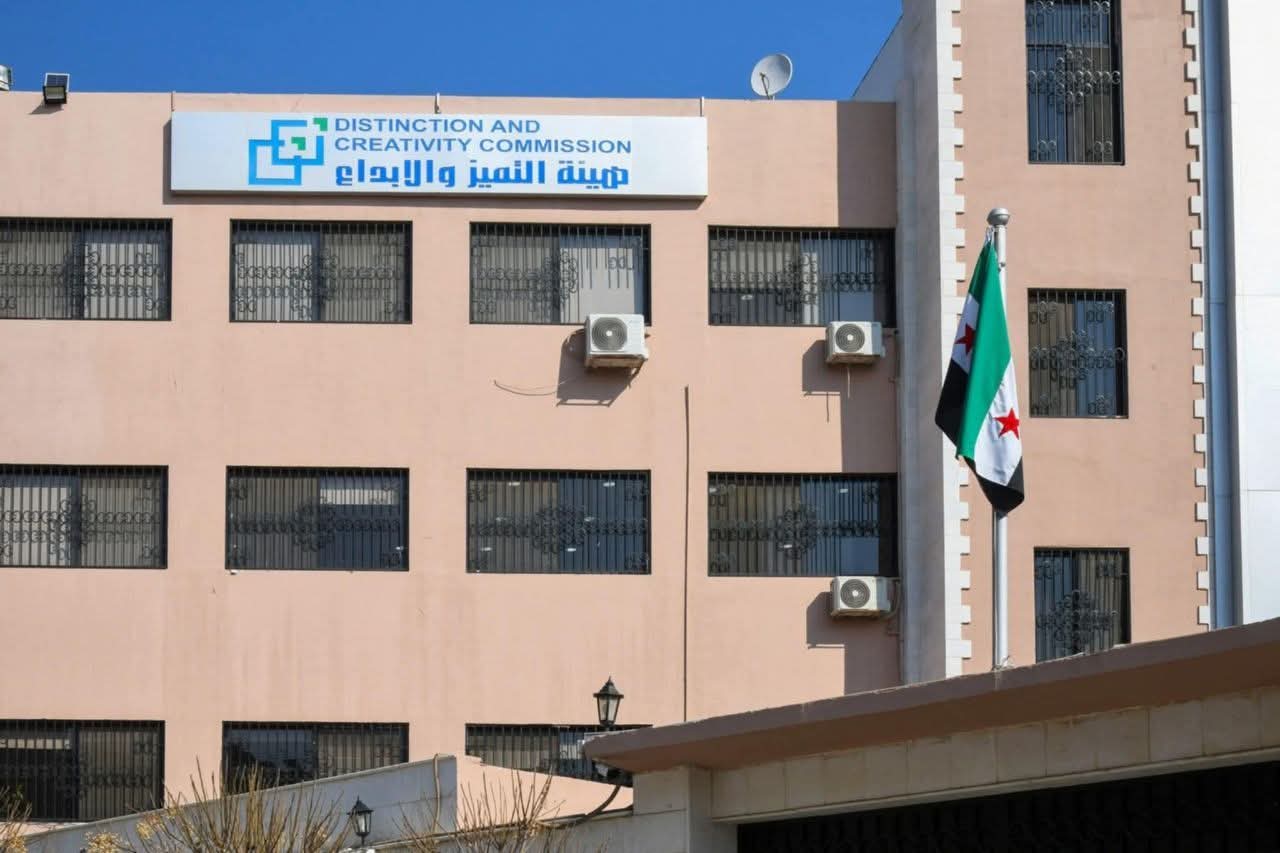
 Two peer-reviewed studies by Syrian researcher Dr. Shadi al-Azmah, head of the Distinction and Creativity Agency, were published in the internationally recognized journals Sustainable Development and Quality & Quantity. The papers examine how fiscal and monetary policies implemented by the Central Bank of Syria (CBS) can strengthen financial inclusion and financial technology while supporting the transition to a green economy.
The first study, titled “The Transition from the Shadow Economy to the Green Economy,” appeared in Sustainable Development, published by Wiley and ranked among the leading global journals in development studies. The second, “A New Paradox in the Role of Digital Financial Inclusion,” was published in Springer Nature’s Quality & Quantity, a first-quartile journal indexed in Scopus.
Linking Financial Inclusion to Green Growth
According to Azmah, the first study explores how financial inclusion can help shift economic activity from the shadow economy into the formal sector while supporting environmentally sustainable development. The research focuses on Syria, where a significant share of economic activity takes place informally.
The study argues that expanding access to financial services and financial technology can encourage business owners to formally register their activities and invest in renewable energy solutions. It also highlights the role of monetary policies in supporting clean technology projects and sustainable agriculture.
Azmah said the transition to a green economy depends on coordinated efforts improving access to banking services and digital financial tools. He added such measures can increase efficiency and encourage broader participation in the formal economy.
Digital Finance and Economic Policy
The second paper examines what Azmah described as a “new paradox” in digital financial inclusion and its impact on green economic development. The study found policies focused only on increasing the number of bank branches across Syria may negatively affect progress toward a green economy if they do not also prioritize financial technology.
In contrast, policies combining traditional financial inclusion with fintech services, including electronic payments and online purchasing systems, can improve energy productivity and encourage the use of renewable energy. Azmah said the findings demonstrate the importance of integrating digital financial tools into broader economic development strategies rather than relying solely on conventional banking expansion.
Supporting Syrian Academic Research
Azmah said the publication of the two studies in internationally recognized journals strengthens the reputation of Syrian academic research and raises the profile of Syrian universities in fields related to development, fintech and financial inclusion.
He added the research provides evidence-based recommendations for policymakers and supports cooperation between higher education institutions and state agencies. The studies also align with the UN Sustainable Development Goals by promoting sustainable economic growth and technological development.
Azmah pointed to recent measures, including allowing Visa and Mastercard services to operate through Syrian banks and simplifying business licensing procedures through the Ministry of Economy, as signs of movement toward policies consistent with the research findings.