Syria recently increased fuel and gas prices, a move economists and residents warn could trigger another wave of inflation in a country already struggling with widespread poverty and weak purchasing power.
The Syrian Petroleum Company (SPC) announced new prices for petroleum products effective May 7, saying the decision came in response to rising global oil prices, higher shipping costs and mounting regional pressures affecting the energy sector.
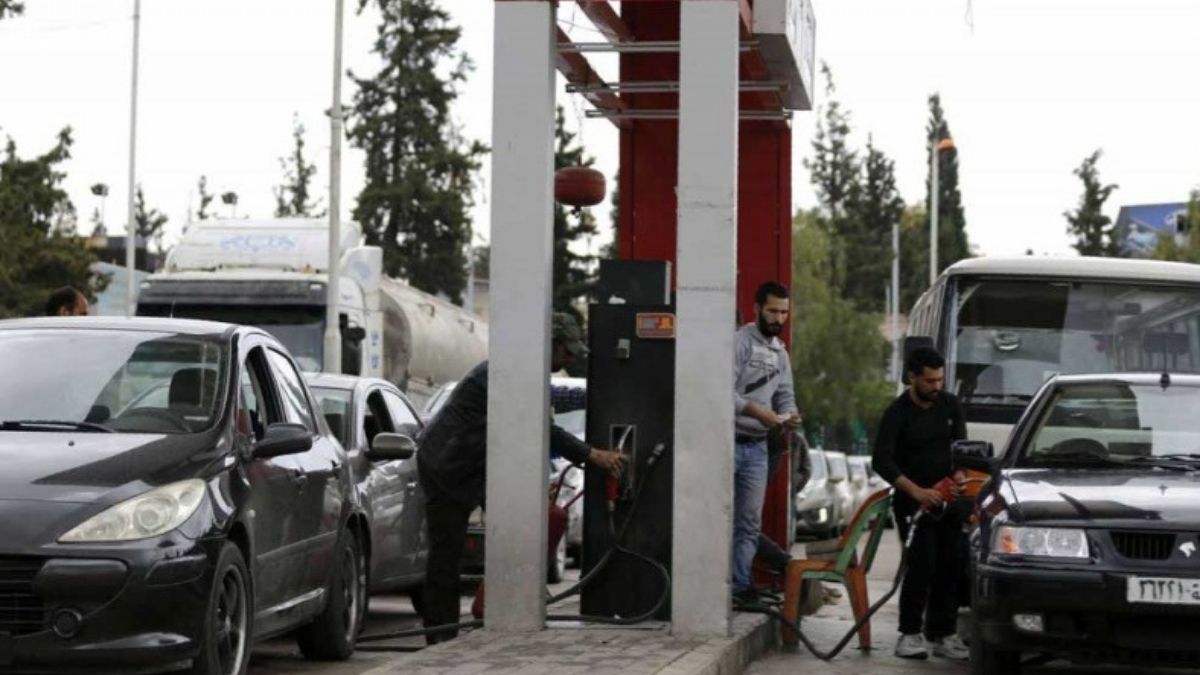
According to the company, the price of 95-octane gasoline rose 10 cents to $1.15 per liter from $1.05, while 90-octane gasoline increased to $1.10 after previously falling to $0.85 in late 2025. Diesel climbed from $0.75 to $0.88 per liter. The increases also affected household energy supplies. A domestic gas cylinder now costs $12.50 instead of $10.50, while industrial gas cylinders rose to $20 from $16.80.
In recently released statements, the company said the measures aimed to preserve “service sustainability and ensure the continuity of supply” amid regional and international developments. Officials added authorities maintained stable prices for months despite increasing operational costs.
Economists Warn of Inflation Ripple Effects
Economic analysts say the increases will likely spread quickly through Syria’s already fragile economy because fuel affects transportation, manufacturing and food distribution. Economist Ammar Yusuf told local media the direct increase in fuel costs, which ranged between 17% and 30%, could push prices in local markets up by as much as 50% to 60%.
Accordingly transportation costs would rise, affecting the prices of goods across the country because shipping expenses remain central to pricing in Syria’s markets. He also linked the increases to disruptions in global energy supply chains and instability surrounding the Strait of Hormuz, a key route for oil shipments.
Yusuf warned that the consequences could prove severe in Syria, where many families already struggle to afford basic necessities. Syria remains indirectly vulnerable to fluctuations in global oil prices as the country still depends heavily on imported oil, even after regaining control over major oil fields.
Rehabilitation of those fields could take between two and four years, leaving the country exposed to higher import and transportation costs. Petroleum products influence the pricing of roughly 95 commodities in Syria, meaning fuel hikes inevitably affect food prices, transportation and exchange rates.
Concerns Grow Over Daily Living Costs
Public criticism emerged shortly after the announcement, including from Hussein al-Sharaa, the father of Syrian President Ahmad al-Sharaa. In a Facebook post, Sharaa warned higher fuel prices would increase the costs of transportation, agriculture, manufacturing, medicine and electricity at a time when Syrians face declining purchasing power and stagnant incomes.
“Whoever proposes increases should know the disastrous consequences that will result from this,” he wrote, arguing that Syria’s income levels cannot compare with those of neighboring countries despite references to global market pricing.
Sharaa also recalled a 2008 diesel price increase under the Assad regime, which he said contributed to collapsing agricultural production and worsening poverty in northeastern Syria. Cautioning economic pressures during that period helped fuel public frustration and social unrest in later years.
Uncertain Outlook for Energy Sector
Syrian officials maintain the adjustments remain necessary to secure fuel supplies while stabilizing the energy sector. Some observers believe the country could eventually reduce dependence on foreign energy imports after rehabilitating domestic oil and gas fields.
Still, economists caution short-term pressures on households and businesses may intensify before any long-term gains materialize. With wages remaining low and inflation persistent, many Syrians face the prospect of higher daily costs for transportation, heating and basic goods in the months ahead.