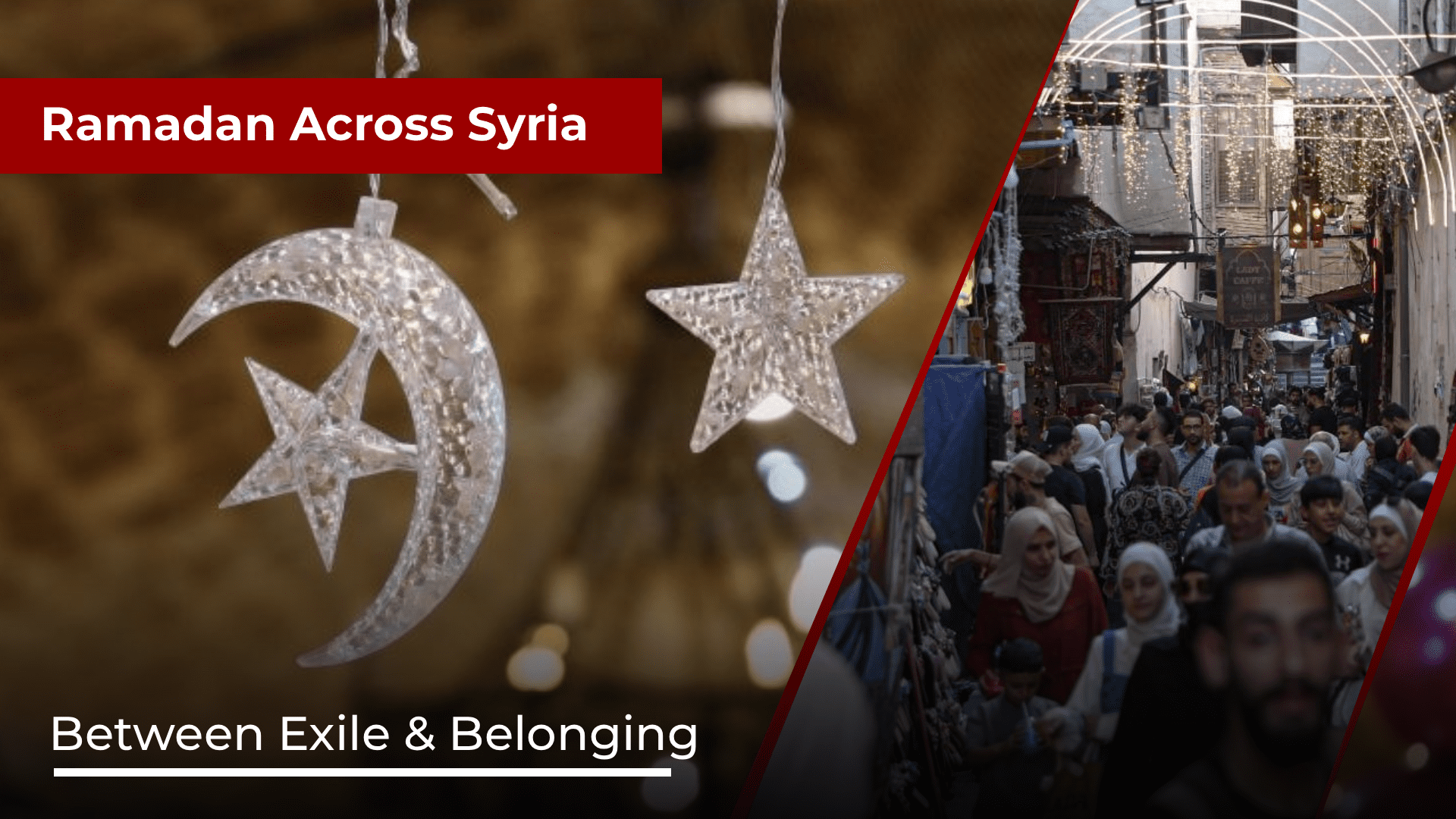
The call to prayer echoed across Damascus as families hurried home with bags of bread and vegetables, weaving through streets lit again after years of darkness. In one apartment, a mother set out plates for iftar, glancing at the empty chair where her brother once sat. For Syrians who have returned after years abroad, this Ramadan carries a strange mix of relief and reckoning.
The UN High Commissioner for Refugees (UNHCR) reports that more than 1.3 million Syrians have returned since the fall of the Assad regime, primarily from neighboring countries, as well as from Europe and North America. For many, this Ramadan marks the first time they are observing the holy month at home since the revolution began in 2011. Their return has reshaped what the season means.
Between the Warmth of Home and the Weight of Absence
Ali al-Jassim, who recently returned to Syria after years in Turkey, said Ramadan outside felt hollow in comparison. “For me, Ramadan abroad was very different from Ramadan in Syria,” he told Levant24. “In Syria, we lived in a communal atmosphere. The family would gather around one table, the sounds of mosques could be heard in every neighborhood, and neighbors would exchange food dishes and visit each other after iftar. The whole street felt the spirit of Ramadan.”
“Ramadan (in Turkey) was much quieter and cooler,” he said. People miss the warmth of family and social gatherings they’re used to, and it’s almost like living in an open-air prison.” Yet coming home did not restore the past. Jassim described how absence now defines the gatherings he once longed for.
“What surprised me the most when I returned … was the feeling of sadness and separation,” he said. “We discovered many friends and some family members were no longer with us.” He recalled family tables with missing relatives and Taraweeh prayers marked by empty spaces. “These absences made Ramadan a heavy experience, mixed with memories and longing for those who are no longer with us.”
That tension between reunion and loss runs through many return stories. Syrians who left as students or activists have come back to streets that feel both familiar and frozen in time. In interviews with CBC, Syrian Canadians described crossing back through checkpoints that once symbolized fear.
Some wept as they entered. Others stood before leveled neighborhoods, struggling to locate childhood homes beneath rubble. The euphoria that followed the regime’s collapse has given way to a more sober realization: rebuilding will take years. Ramadan, with its emphasis on reflection and family, sharpens that awareness.
Bridging Exile and Belonging
For many families, the most delicate adjustment is unfolding inside their own homes. Children who spent formative years in Turkey, Europe or North America now find themselves navigating Syrian classrooms and playgrounds that feel both familiar and foreign. Even those returning from neighboring Arabic-speaking countries such as Lebanon report difficulties with linguistic and cultural reintegration.
For children arriving from non-Arab countries, the culture shock can be sharper. Parents describe sons and daughters who switch between French, English or Turkish and Arabic, trying to find their footing. One family that returned from Canada, told the CBC that their child continues speaking multiple languages at home, a small effort to preserve part of the life they left behind while building a new one in Syria.
Jassim’s reflections on Ramadan in Turkey, a Muslim-majority country, further testifies that belonging is not defined by religion alone. His sense of isolation abroad, he said, stemmed less from the absence of fasting or prayer and more from the loss of Syrian communal traditions. Culture, as much as language or faith, shapes whether Ramadan feels like home.
Markets Full, Wallets Empty
While spiritual familiarity offers comfort, daily life presents harder truths. In Damascus, shoppers browse stalls stacked with dates, rice and lentils, but many leave with only the basics. One passerby told Levant24, “The people are happy, but there’s no money in hand. There’s no income coming in.” He credited authorities with improved security and services, saying electricity and gas have returned to many neighborhoods. “But,” he added, “it’s the lack of money that’s putting pressure on people.”
Another resident, who said he had lived through 50 years of Ramadans, described rising prices as suffocating. “For a poor person with no support, if he’s not employed, he can’t afford anything,” he said. “Anyone without a job or income is being crushed by the high cost of living.”
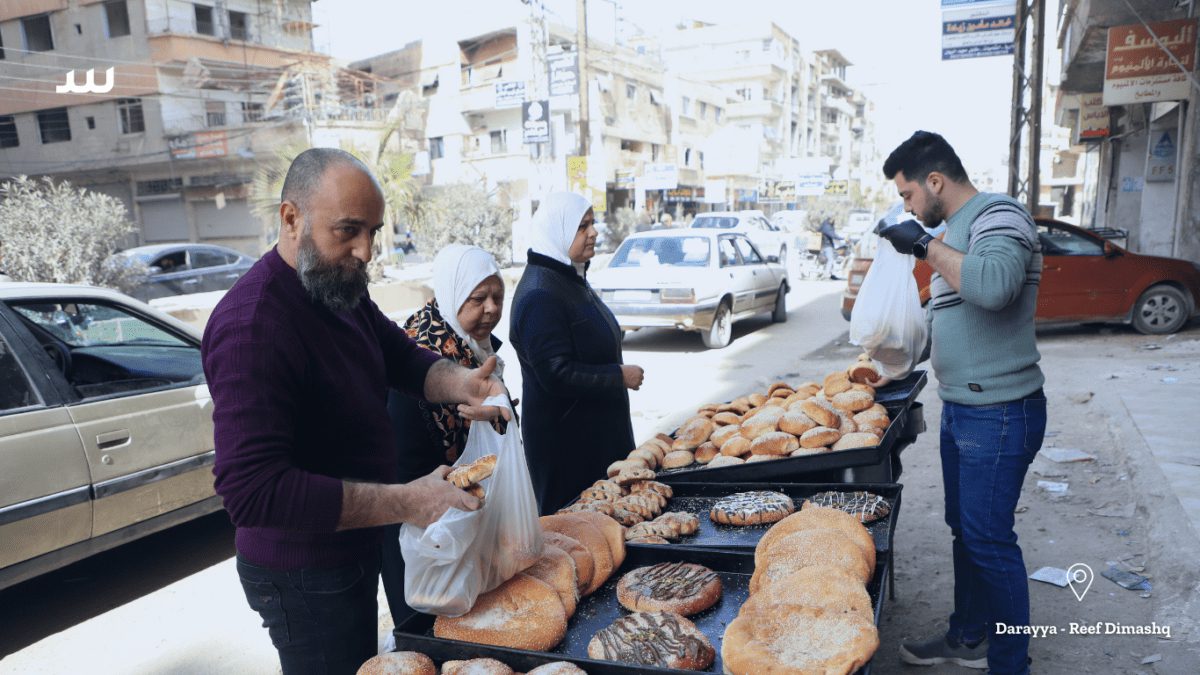
Market surveys by local outlets show staple prices remain high. A kilogram of rice in Damascus ranges between 12,000 and 20,000 Syrian pounds (about $1 to $1.60), sugar between 8,000 and 8,500 SYP (roughly $0.65 to $0.70), and dates between 30,000 and 60,000 SYP (approximately $2.40 to $4.80). Abdurazzaq Habza, secretary of the Consumer Protection Association, said prices increased by over 50% compared with last Ramadan, citing energy costs, weak production and limited competition.
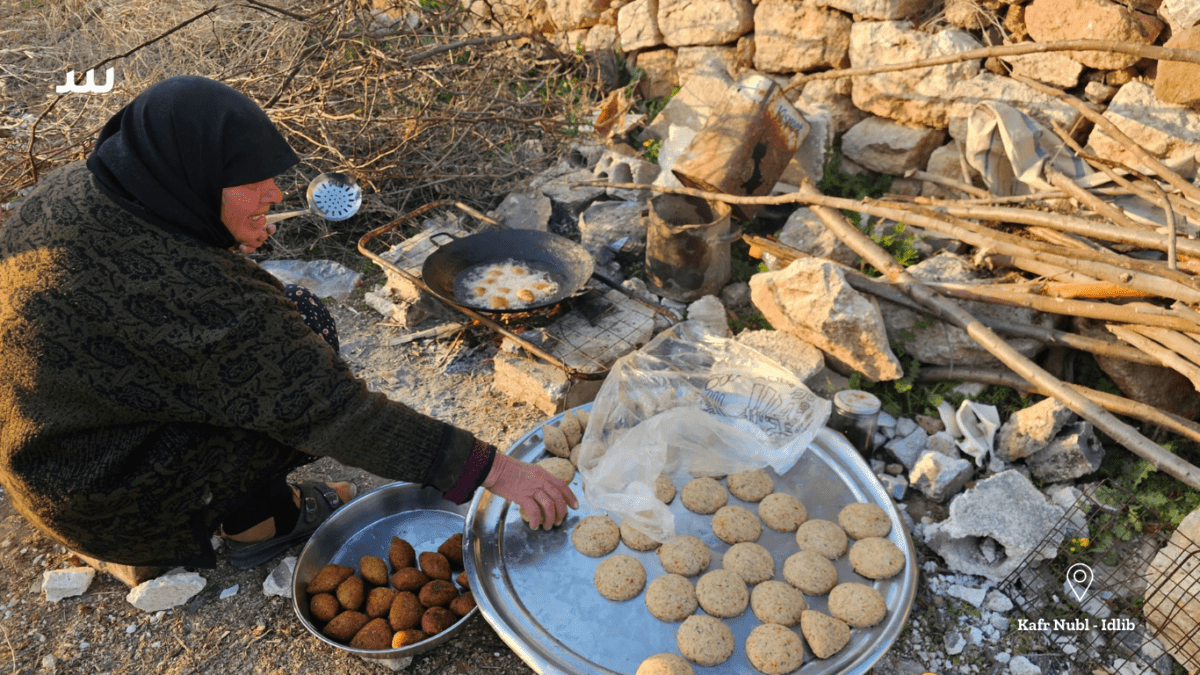
For returnees, those numbers translate into difficult adjustments. Some arrive with savings or foreign income. Others depend on remittances. In Idlib’s southern countryside, Alaa al-Yusuf said the reality has surprised many families who came back from neighboring countries or Europe. “It’s become clear that a large number of families have decided to return … and faced a reality they hadn’t imagined or felt the difference in services and other things,” he told Levant24.
Yusuf believes Ramadan may draw hearts closer, but cautions against overstating its impact. “The holy month of Ramadan may bring people closer and reconcile them, but I believe that only a few families have decided to spend this blessed month in Syria,” he said. “As for integration, it’s very difficult to talk about it at an early stage.” Real support, he argued, must reach neglected rural areas. “These regions need all kinds of support.”
A Season That Moves Money and Meaning
Ramadan has long shaped charitable giving across Syria and its diaspora. This year, that dynamic carries added weight as communities attempt to absorb returnees. “Ramadan is considered a major season for donations,” said Baha Maghlaj, assistant director of social affairs and labor in Idlib. Donations and collective fundraising campaigns often peak before and during the month, he said, adding that remittances sometimes increase during Ramadan.
Organizations adjust their messaging to match the season’s emphasis on generosity and dignity. Campaigns focus on food baskets, collective iftar meals, zakat and Eid gifts. “Interaction and donation rates increase,” Maghlaj said, especially when the impact is visible and tangible.
Maghlaj stressed seasonal aid should not stop at distributing meals. “Cash assistance allows families to purchase iftar needs and food items, respects dignity, and accelerates local spending,” he said. He also pointed to shelter repairs, help with documentation and psychosocial support as essential for families returning from camps or conflict areas.
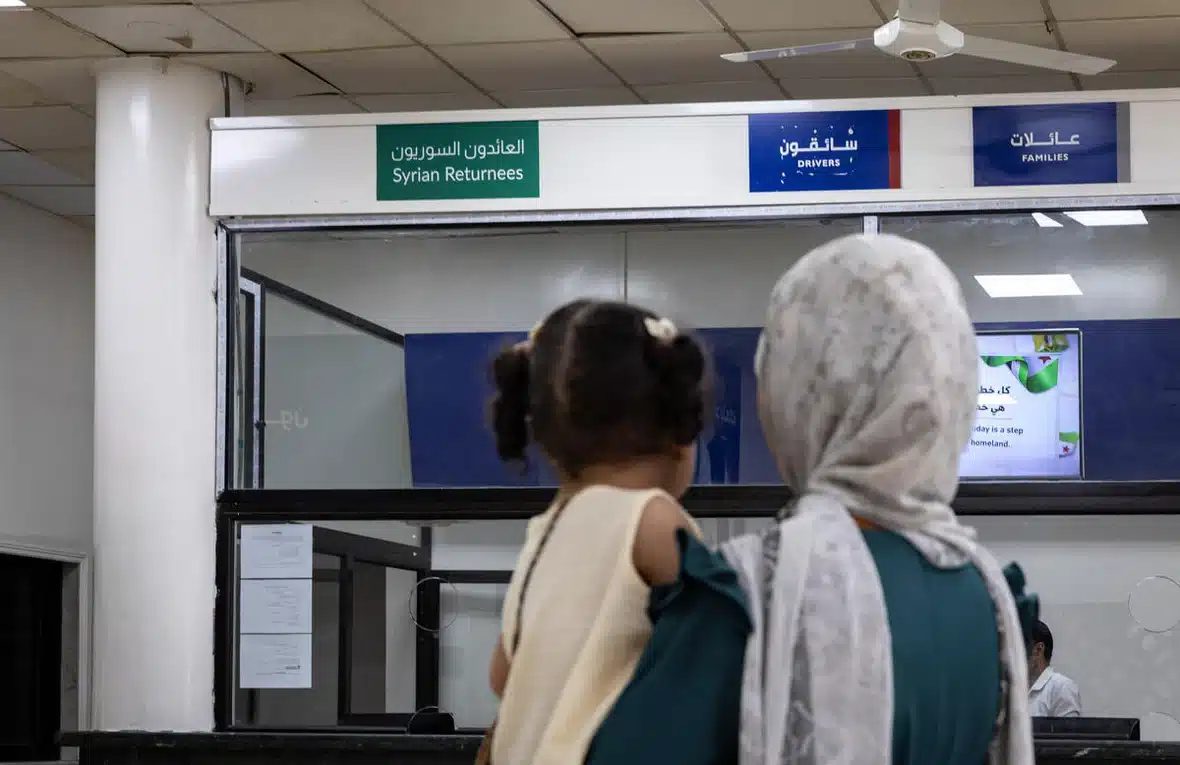
Capitalizing on feelings of solidarity, he called for linking Ramadan assistance to longer-term projects such as small income-generating initiatives. Otherwise, he warned, the surge in generosity may fade once the month ends.
As Syria continues to rebuild and refugees and displaced return home, families gather for iftar in a land both familiar and changed. Yet the emotional landscape remains uneven. Ramadan reconnects returnees with rituals they cherish, even as it exposes the gaps left by war and displacement. Whether that fragile bridge between exile and belonging can endure beyond the holy month will depend not only on faith, but on rebuilding the social and economic foundations that make home sustainable.