 The In Devotion to Hama campaign launched its second development package, introducing 53 projects aimed at improving living conditions and enabling the return of displaced residents. Backed by over $210 million in donations, the initiative is positioned as a large-scale early recovery effort, with implementation expected to make a visible impact by mid-2026.
Focus on Essential Sectors
According to campaign executive director Hazem Abisi, the new phase prioritizes health, education, and sanitation, alongside broader service and infrastructure upgrades. He explained the package expands significantly on the first phase, both in scope and geographic reach, targeting a wider range of communities across Hama Governorate.
The plan includes a mix of infrastructure rehabilitation and service improvements. Major projects involve upgrading street lighting in Hama city, restoring water networks and reservoirs in rural communities, and overhauling sewage systems across both urban and rural areas.
In the education sector, over 15 rural schools are set for renovation. Healthcare projects include rehabilitating local health centers and restoring critical hospital departments, such as neurology and emergency units at Hama National Hospital and the intensive care unit at Hama Children’s Hospital. The package also includes the construction of an automated bakery in rural areas to support food supply.
Economic and Social Impact
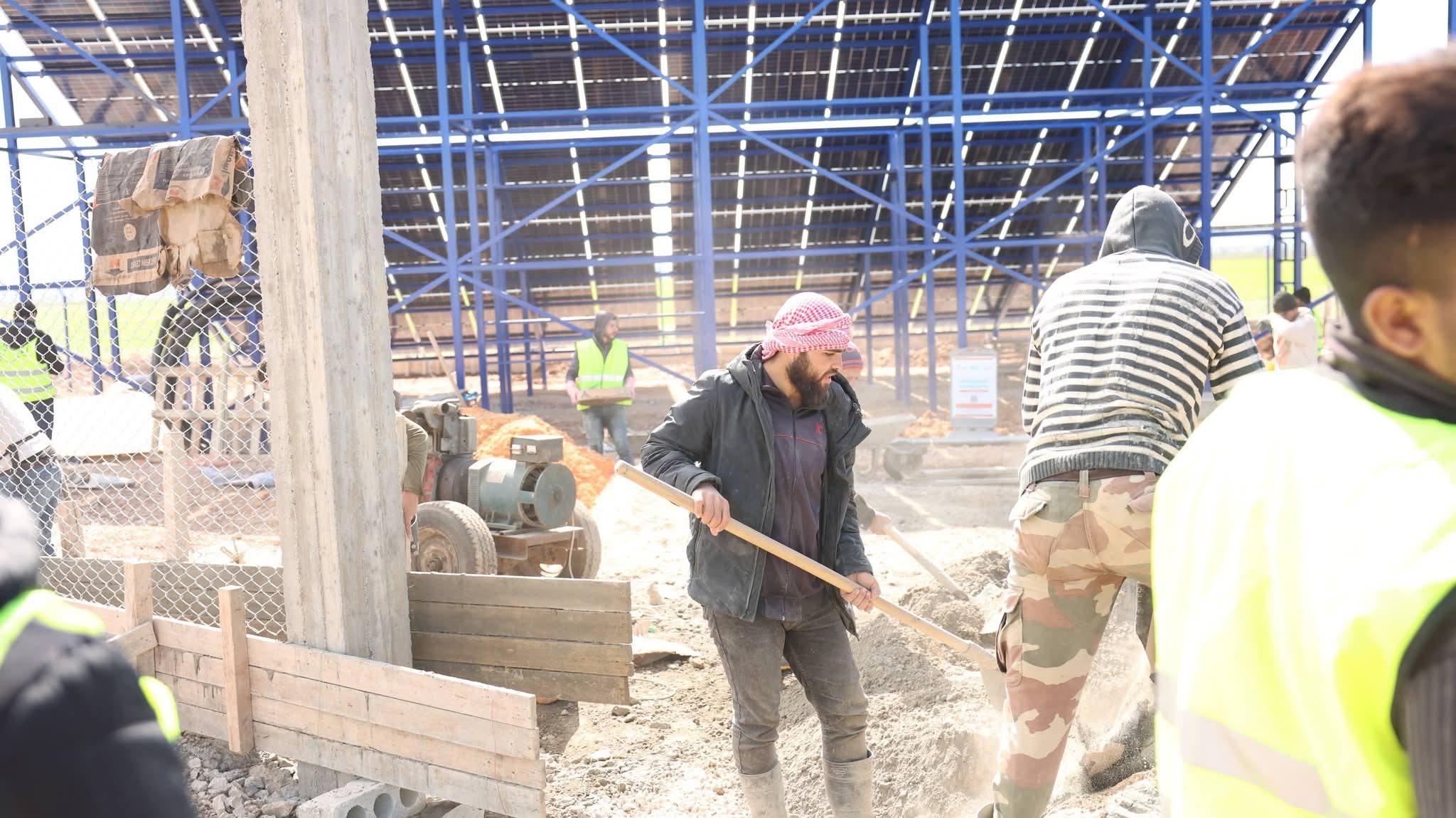
Abisi stressed projects are designed to deliver more than just infrastructure. By relying on local labor and workshops, the initiative aims to create jobs, generate income, and stimulate the local economy. The initiative is also strategically focused on areas with large populations of displaced people. By improving services in these locations, it seeks to accelerate returns and reduce reliance on displacement camps.
Funding for the projects comes through the campaign’s dedicated fund, which pools donations from individuals and partner organizations. Work began in February 2026 and is scheduled for completion by August.
The project is expected to benefit around 1.3 million people. By restoring essential services, supporting livelihoods, and facilitating returns, the campaign aims to play a central role in Hama’s broader recovery and reconstruction efforts.