 The escalating conflict involving Israel, the US and Iran has so far avoided turning Syria into a direct battlefield. However, while Damascus has focused on containing security risks, the economic consequences of the war have already begun to ripple through Syria’s recovering economy.
Rising global energy prices and disruptions to shipping routes have increased transportation and production costs across the region. For Syria, which already faces a severe cost of living crisis, those pressures are translating into higher food prices, fuel shortages and growing uncertainty for households struggling to meet basic needs.
Unlike larger economies that can absorb sudden market shocks, Syria has limited capacity to respond. Without proactive policies to stabilize supply chains and control markets, analysts warn the economic impact of a prolonged regional conflict could become one of the country’s most pressing internal challenges.
Oil Prices Surge Amid Regional Fighting
The economic shock originates largely from turmoil in global energy markets. Since the start of the war on Feb. 28, oil prices rise amid fears the conflict could disrupt production and shipping routes in the Middle East. Brent crude briefly climbed to nearly $120 per barrel on March 9 before settling around $107, over 15% higher than the previous week. The price increased by roughly 50% since the war began.
The Strait of Hormuz, through which roughly one fifth of global oil trade normally passes, remains a major concern for energy markets. Shipping traffic has slowed significantly as investors fear further escalation could close the strategic waterway. Qatari Energy Minister Saad al Kaabi warned in a Financial Times interview that a wider war could force Gulf producers to halt oil production within weeks, potentially pushing prices to $150 per barrel.
The energy shock has already affected Syria and financial markets worldwide. Asian stock markets dropped sharply after the surge in oil prices, while governments in major economies began considering measures such as releasing strategic fuel reserves to stabilize markets.
Food Prices Climb Across Syrian Cities
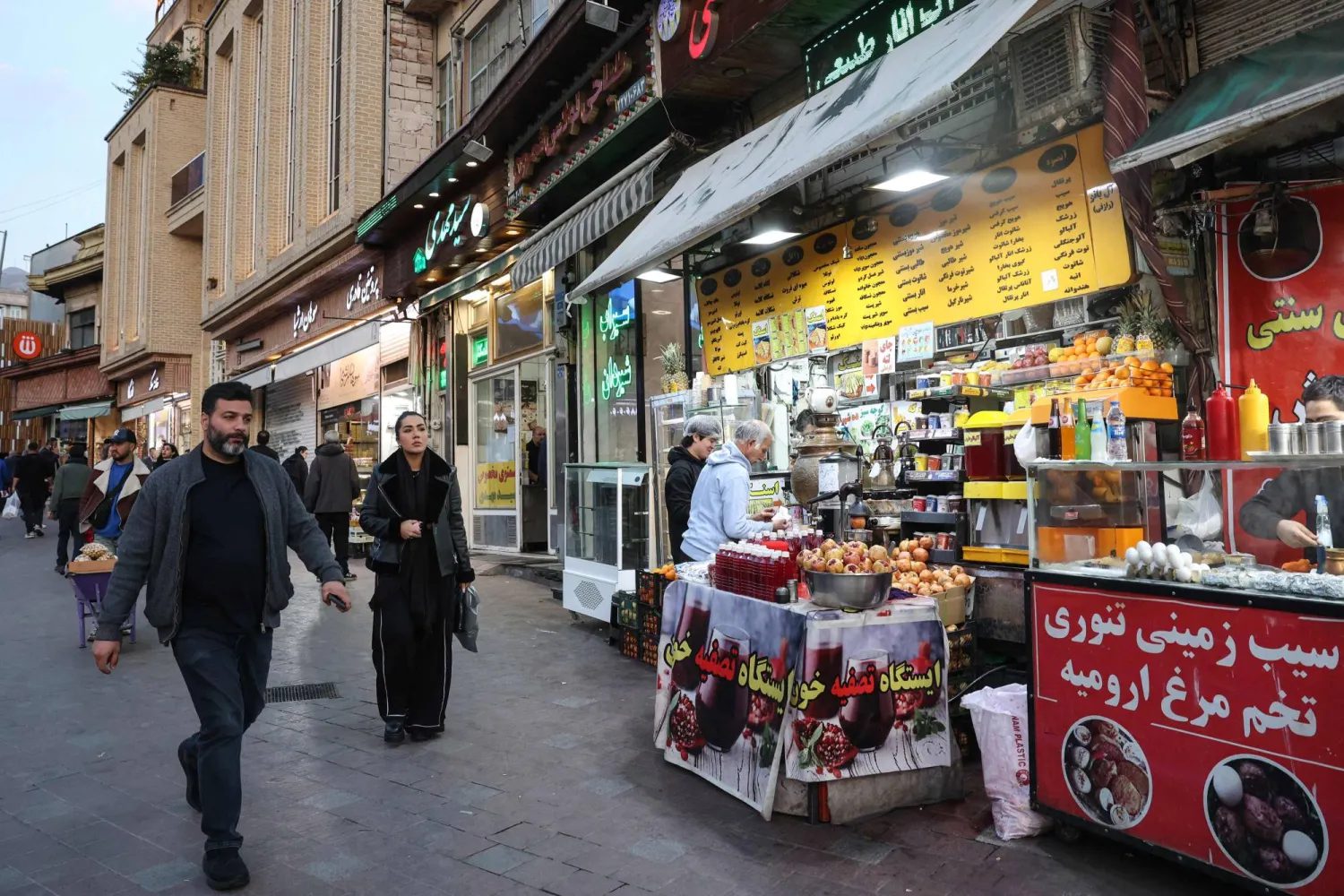
In Syria, the global energy shock is quickly appearing in everyday market prices. Vegetable prices in Damascus and Aleppo have risen dramatically in recent weeks. Tomatoes now sell for over 22,000 Syrian pounds SYP ($1.70-$2.00) per kilo, compared with about 8,000 SYP (70-90 cents) before the war on Iran began.
Prices for eggplant, zucchini, cucumbers and lemons have also doubled, while fruit including apples, oranges and strawberries has increased significantly. Traders say fuel shortages have driven up transportation costs, making it more expensive to move produce between regions. Increased demands in Gulf markets and seasonal factors, such as Ramadan, has also contributed to the price increases.
Economists Cite War as Key Driver
Economic analysts say the war involving Iran remains a central factor behind the rising cost of food and transportation. Economic expert Radwan al-Dibs told Arabi21 the conflict has driven up oil prices, which directly increases the cost of shipping and internal transport across Syria.
Economist Yunis al-Karim said Syria’s reliance on imports makes the country particularly vulnerable to such shocks. Syria depends on imports for roughly 80% of its needs, meaning rising shipping, insurance and transportation costs quickly translate into higher prices for consumers.
Karim also noted that fears of the war expanding further have increased economic uncertainty inside Syria. “The Syrian economy is suffering from a state of instability due to the high prices of oil, shipping and internal transport,” he said.
As the conflict continues to reshape global energy markets, the economic effects of Syria are likely to remain visible in Syrian markets. For many families already struggling with limited income, even modest increases in food and fuel costs can significantly affect daily life.