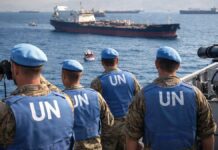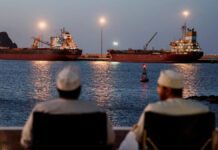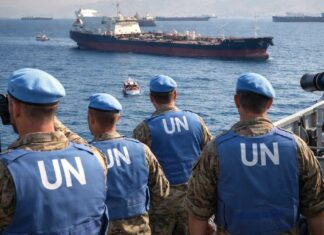
Amid the escalating conflict involving the US, Israel and Iran, Syria’s fragile economy faces mounting pressure as regional instability disrupts global energy markets. Threats to close the Strait of Hormuz and continued disruptions to shipping in the Red Sea pushed oil prices higher. In Syria’s domestic market, the surge has already contributed to a 20–25% increase in the prices of essential goods.
The situation coincides with growing fears of fuel shortages and a sharp rise in the dollar’s value on the black market, where it is approaching 12,000 Syrian pounds (SYP). Economists warn that these pressures could disrupt agriculture and manufacturing while intensifying inflation.
Queues Return to Damascus
Despite assurances from the Ministry of Energy that fuel and domestic gas remain available and that refineries and import contracts are operating normally within safe limits, queues have reappeared at fuel stations in several Syrian cities.
Fuad Muhammad, a Damascus resident, expressed concern over the situation. “We Syrians are experienced in standing in line, but this time the war is fierce, and its impact on the energy sector could be significant,” he said. Officials’ reassurances have done little to ease public anxiety as citizens rush to secure fuel supplies.
Oil Extraction From Hasakah Fields
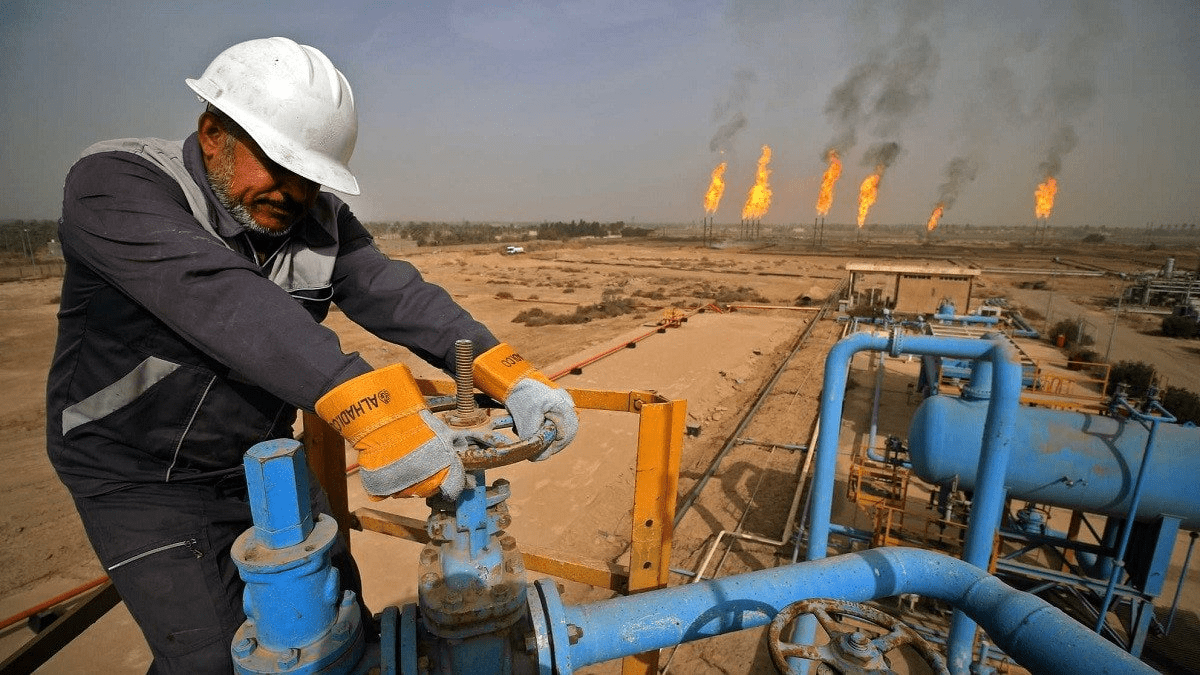
In an effort to stabilize supplies, the Syrian Petroleum Company (SPC) announced the start of crude oil extraction from the Rmeilan and Suwaydiyah fields in Hasakah Governorate. Executive Director Yusuf Qablawi said extracted oil will support domestic refining and production operations to strengthen national fuel supplies.
Qablawi added the company is simultaneously working to rehabilitate the fields and increase production through an agreement with a major American company specializing in oil field management and operations. The agreement, he said, will follow international technical and operational standards to maximize efficiency and boost the productive capacity of Syrian fields.
The renewed transport of oil from fields, located near the Iraq border, comes as the government begins implementing plans for the full rehabilitation and operation after assuming control from the Syrian Democratic Forces (SDF). Authorities say technical teams are assessing damage to ensure the facilities return to service at full efficiency.
Calls to Increase Strategic Reserves
Energy specialists urge the government to form a crisis management unit to respond to the evolving situation. Energy analyst Ziad Atrash proposed increasing Syria’s strategic fuel reserve to 90 days, up from the current 45 days. He also emphasized the need to build centralized databases improving fuel supply management while reducing shortages.
Atrash called for digitizing logistics systems through technologies such as the Internet of Things (IoT) and artificial intelligence (AI) to track shipments in real time. Such systems, he said, could reduce delays by up to 30%. He also suggested developing centralized platforms linking suppliers and consumers across borders and using blockchain technology to monitor supply chains and ensure transparency in contracts and payments.
Warnings of Economic Pressure
Banking analyst Amer Shahd warned that “the Syrian economy is inside the storm.” He predicted the country could face dual inflationary pressures, both internal and external, along with declining foreign investment and potential delays to reconstruction projects for at least three years.
Shahd also predicts the potential return of Syrian refugees from neighboring countries and Europe could place additional strain on public services and infrastructure. He called for the creation of an emergency economic task force to anticipate risks and develop rapid response measures.