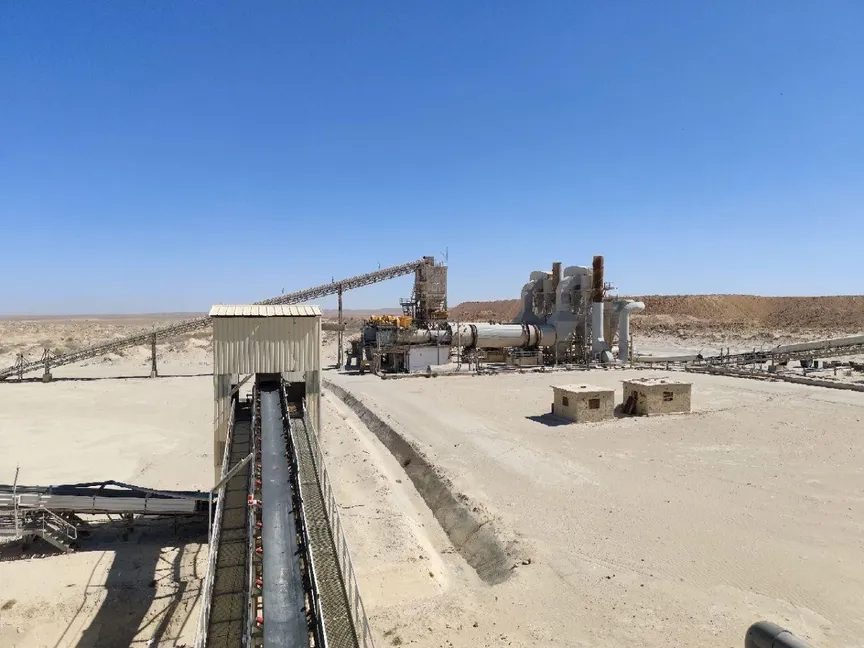
 Iraq is moving closer to a major energy infrastructure project with Syria, as both sides explore rebuilding a key oil export route linking the two countries. Iraqi Oil Minister Hayan Abdulghani confirmed ongoing negotiations are increasingly favoring the construction of a fully integrated pipeline to the Syrian port city of Banias.
The proposed route would effectively replace or overhaul the aging Kirkuk-Banias pipeline corridor, which has long been out of service. Preliminary studies and joint technical discussions between Iraqi and Syrian teams have already assessed the condition of the existing infrastructure, including pipelines and pumping stations. Early findings suggest that rebuilding a modern pipeline is more viable than rehabilitating the old system.
A Broader Export Strategy
This project is part of Iraq’s wider push diversifying oil export routes. Alongside the Syria-bound pipeline, Baghdad is advancing construction of a major internal line from Basra to Haditha. This pipeline is designed as the backbone of a broader network would allow exports through multiple outlets.
Among these are the Turkish port of Ceyhan and Syria’s Banias, with additional discussions exploring routes toward Tripoli in Lebanon. Last August, Iraq and Syria agreed to establish a joint technical committee to evaluate the feasibility of reviving the cross-border pipeline.
Syrian Energy Minister Muhammad Bashir confirmed at the time that discussions included rehabilitating the line to transport crude either to Syrian refineries or onward to international markets via the Mediterranean.
Strategic Importance for the Region
For Syria, the project carries significant economic and energy implications. The country is currently facing a major electricity shortfall, with supply meeting only a fraction of national demand. Restoring oil transit infrastructure could help ease pressure on the energy sector and generate additional revenue.
Previous attempts to revive the Kirkuk–Banias pipeline stalled due to the deteriorated condition of the infrastructure, which requires extensive technical reassessment and modernization. Meanwhile, Iraq’s Basra–Haditha pipeline, planned to handle up to 2.25 million barrels per day, would strengthen the country’s ability to route exports flexibly while also supplying domestic refineries to meet rising production levels.
If completed, the Syria-bound pipeline would mark a significant step in reshaping regional energy logistics, reconnecting long-dormant export corridors and expanding options for both countries in an increasingly complex energy landscape.