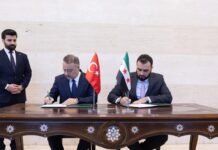
 Syria and Turkey are moving forward on plans to develop a major free zone in Idlib after General Authority for Ports and Customs Chairman Qutayba Badawi met with representatives of Turkish company Bomako to discuss investment cooperation.
The talks focused on establishing a partnership building and developing the Idlib free zone according to modern technical standards. Officials describe the initiative as part of a strategy to upgrade Syria’s free zones and border logistics infrastructure in line with evolving regional trade demands. The project is expected to create new opportunities for investors and merchants by improving customs, storage and transport capabilities in northern Syria.
Dry Port Planned to Expand Storage Capacity
A central component of the project is the proposed construction of a dry port inside the free zone. The facility is designed to expand storage capacity, improve logistics services and streamline the movement of goods through major commercial crossings.
Officials said the dry port would strengthen supply chain efficiency by linking cargo operations to multiple vital transit points, reducing delays and improving handling capacity. The expanded logistics footprint is also intended to support the broader investment climate by providing infrastructure suited to growing trade flows and future industrial activity.
Officials Eye Regional Trade Hub Role
Authorities said the project could significantly strengthen Syria’s role as a regional transport and trade hub. By integrating free zone operations with dry port logistics, officials believe the initiative could mark a major advance in the country’s logistics services sector.
The Ports and Customs Authority said the project is intended to launch a new phase of regional economic cooperation, enhance the competitiveness of the national economy and reinforce Syria’s strategic role in trade and energy movement across the region.
The development also aligns with the authority’s wider vision of modernizing free zones and border crossings, improving operational efficiency and ensuring greater integration among logistics facilities nationwide.
Bab al-Hawa Expansion Moves in Parallel
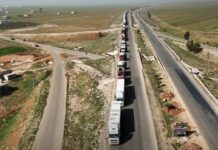
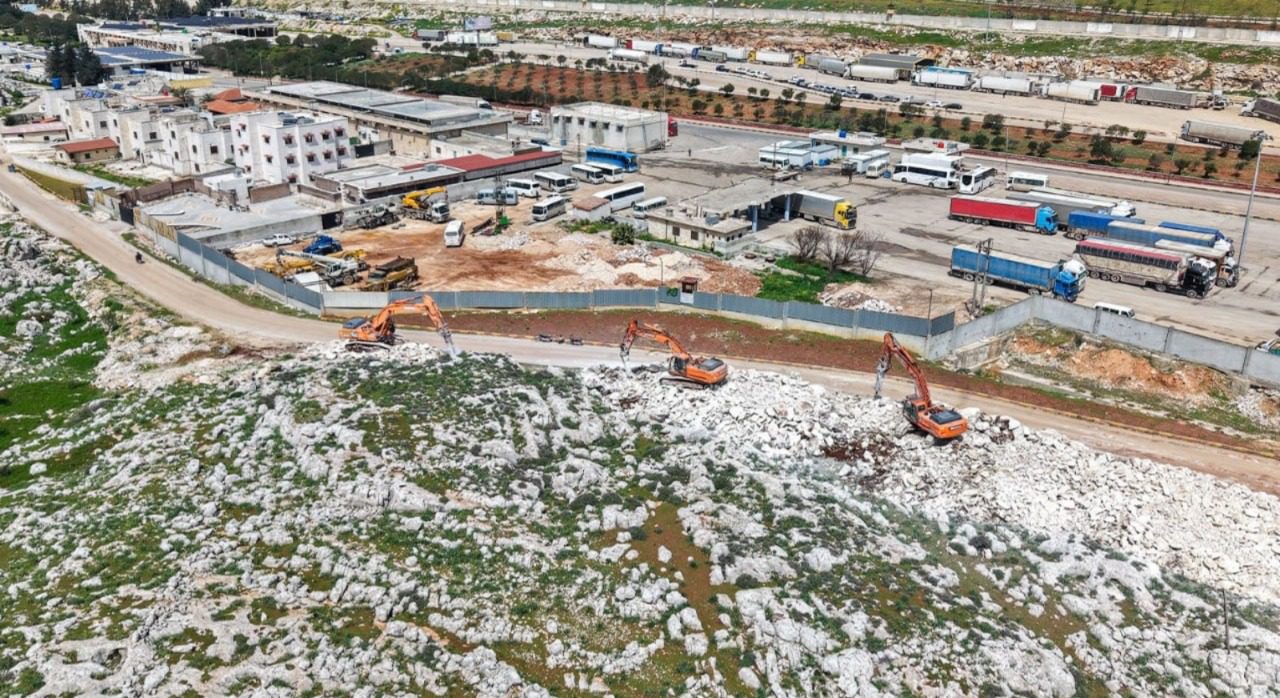
Alongside the Idlib free zone project, officials said work has begun on rehabilitating and expanding the Bab al-Hawa Border Crossing, one of Syria’s most important commercial gateways. The project includes large-scale infrastructure upgrades, modernization of operational facilities and the reorganization of transit lanes to increase capacity.
The Ministry of Public Works and Housing is overseeing the technical implementation in coordination with the ports authority, with an emphasis on rapid completion and quality standards. Officials said the Bab al-Hawa upgrades are expected to improve traffic flow and reduce customs processing times through updated engineering and technical systems.
The crossing’s modernization is seen as a key step in strengthening trade exchange with Turkey and supporting broader economic recovery efforts. By reducing bottlenecks and improving throughput, authorities hope the project will reinforce Bab al-Hawa’s position as a vital corridor for commercial movement.
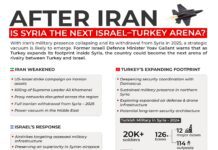
Taken together, the Idlib free zone, dry port and Bab al-Hawa expansion represent a coordinated push to modernize Syria’s northern logistics infrastructure and deepen economic cooperation with Turkey at a time of increasing regional trade realignment.