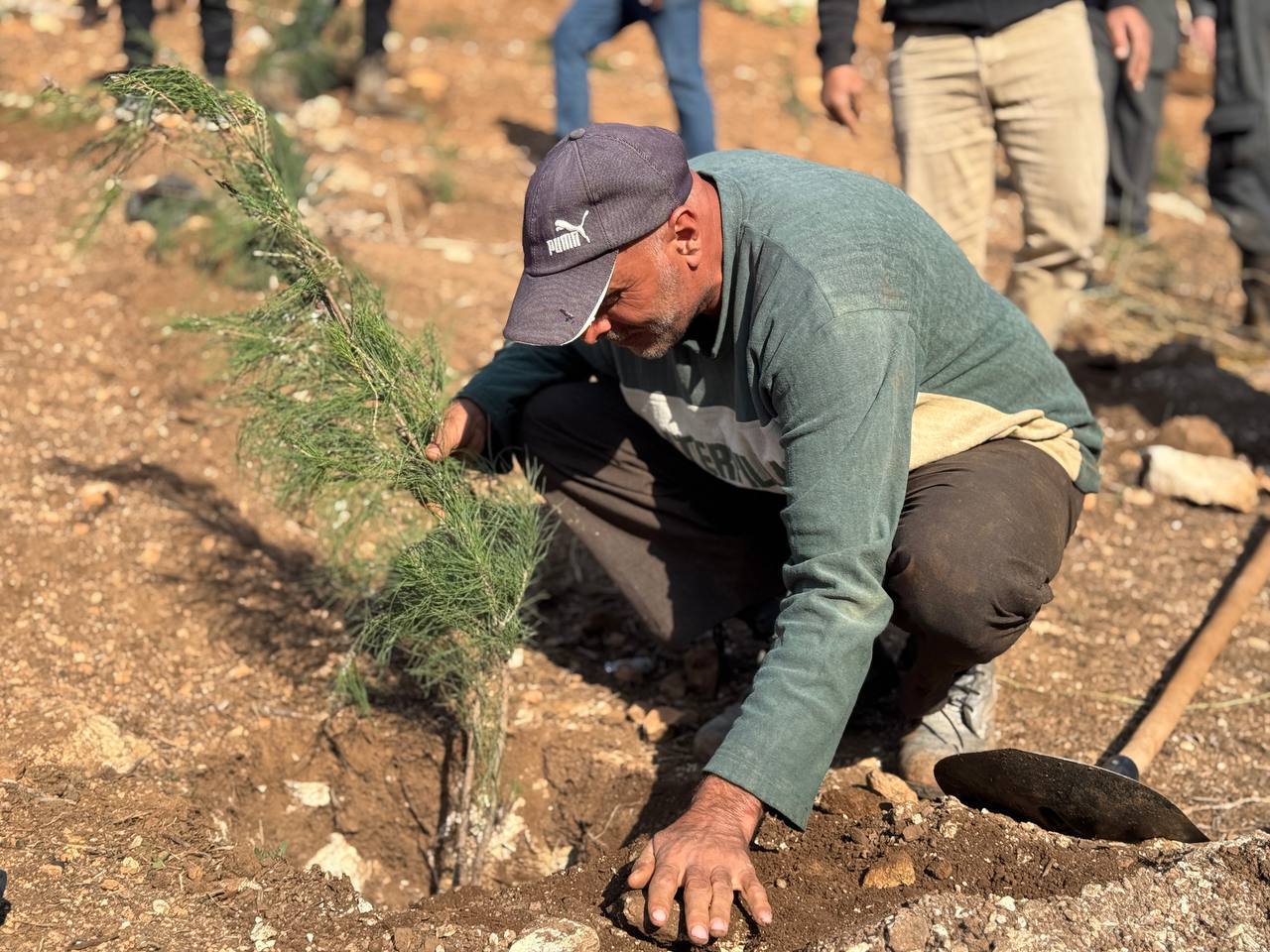
After years of war marked by fires, drought, and widespread encroachment on natural resources, environment priorities are returning to the forefront in Damascus countryside with the launch of a new national campaign titled “Our Countryside Is Green.”
The campaign aims to revive vegetation cover, improve the overall environmental landscape, expand forested areas, enhance soil protection and erosion control, and improve air quality through increased carbon dioxide absorption. With the participation of official bodies, local communities, and volunteers, approximately 500,000 trees are scheduled to be planted before the end of winter.
Set to begin on December 15, the campaign is being implemented under the supervision of the Damascus Countryside Governorate, in coordination with the Ministry of Local Administration and Environment and the Ministry of Agriculture. Coinciding with the first anniversary of Liberation Day, the initiative is described as a serious attempt to restore ecological balance in one of the regions most affected during the years of war waged by the Assad regime against the Syrian people.
Environmental Initiatives as a National Imperative
Amid mounting environmental challenges, Raed al-Thiyab, Secretary-General of Damascus Countryside Governorate, stressed that environmental initiatives are no longer a luxury or a seasonal volunteer activity. Rather, they have become a national necessity of paramount importance, particularly in societies that have endured prolonged conflict and cumulative disasters.
Thiyab noted that forested areas represent the “lungs of the earth” and are a cornerstone of ecological balance. Any damage to these green spaces, he emphasized, directly affects public health and socio-economic stability.
The War’s Impact on Land and People
The effects of the war on the environment extended far beyond the loss of trees to directly impact the lives of residents who depended on the rural environment as a primary source of livelihood. The degradation of forested land led to a decline in biodiversity, reduced employment opportunities linked to agriculture and grazing, and deteriorating air quality due to exposed soil and rising dust levels.
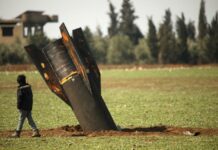
Years of repeated fires, illegal logging, unregulated exploitation of natural resources, and the absence of maintenance and protection measures resulted in severe environmental damage across Damascus countryside. These factors contributed to a sharp decline in vegetation cover, increased desertification, soil degradation, and the retreat of many plant and animal species.
Hope for a Prosperous Agricultural Season
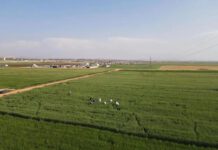
Speaking to Levant 24, farmers from Damascus countryside expressed optimism due to the heavy rainfall recorded this year compared to last. Abu Iyad, a 60-year-old farmer from Darayya, said the increased rainfall has revived hopes for a productive agricultural season, noting that the flow of the Al-Awaj River has resumed, irrigating lands in Western Ghouta and replenishing wells that had dried up months earlier.
Farmer Abdurahman Sharbaji emphasized that the success of afforestation campaigns depends not only on planting saplings but also on securing sustainable water sources. He highlighted the importance of reviving the Barada River and ensuring consistent water access to agricultural areas to guarantee the long-term survival and growth of newly planted trees.
The Scale of Environmental Damage
Ziad Abu Asaf, Head of the Directorate of Agriculture in Damascus and Damascus countryside, explained that the region, once known for its rich plant diversity and green expanses,lost over 500,000 trees and approximately 1,000 hectares of forest. He attributed losses not only to fires and drought, but also to Assad regime military operations and the widespread use of wood as an alternative heating source amid energy shortages.
Abu Asaf noted the campaign includes restoring the entrances to Damascus Countryside Governorate, improving the general landscape, and afforesting major roads such as the Damascus–Homs and Damascus–Beirut highways. It also targets cities, towns, and villages through tree planting in public squares, roundabouts, and gardens, contributing to healthier and more sustainable urban environments.
The initiative further includes training programs for volunteers on proper planting techniques, environmental awareness campaigns in schools and local communities, and the formation of follow-up teams to monitor saplings during their early years to ensure their survival and growth.