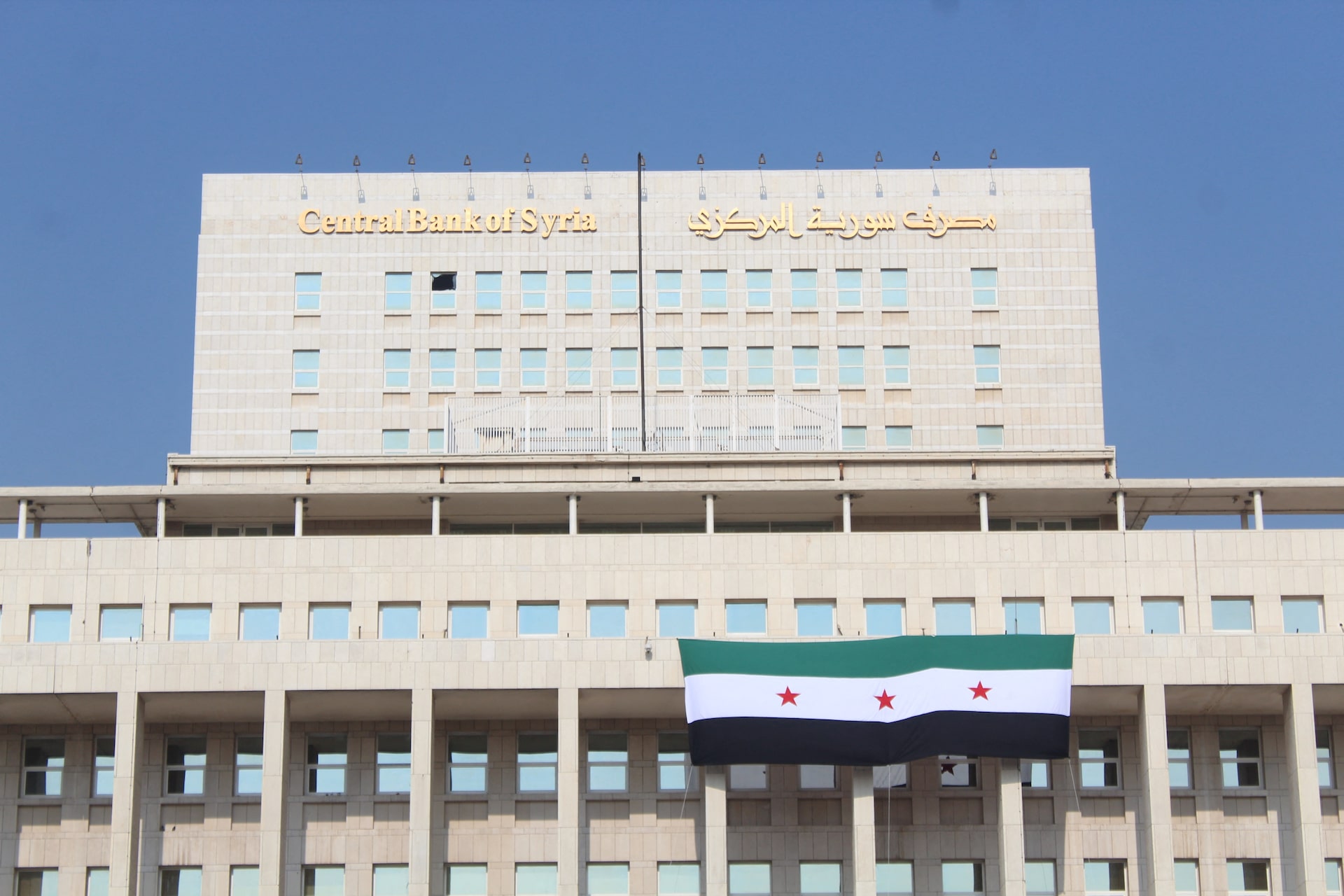
 The Central Bank of Syria (CBS) outlined key achievements and priorities for the coming phase, highlighting improvements in monetary stability, progress in financial reform, and the gradual reintegration of The banking sector into global systems.
According to the CBS, the value of the Syrian pound strengthened by 30% since the fall of the Assad regime, with its trajectory shaped by domestic economic developments. The bank reported a notable decline in inflation from 170% to 15%, marking a significant improvement in monetary stability. It added that remittances from expatriates, estimated at approximately $4 billion, remain an essential stabilizing pillar.
Sanctions Relief and Structural Reform
The bank noted that addressing economic sanctions has been a central focus of national financial policy, describing recent progress as substantial given the severity and accumulation of sanctions over decades.
Advancements toward lifting US sanctions, including ongoing steps in Congress regarding the Caesar Act, were described as an important development that will facilitate reconnecting the Syrian banking sector with global financial networks. The bank stated that its reform blueprint begins with consolidating financial and monetary stability as a prerequisite for subsequent stages of economic recovery.
Addressing Exposure to the Lebanese Crisis
One of the most significant challenges identified was the $1.6 billion financial exposure to Lebanon dating back to the 2019 crisis. The issue was managed through full disclosure of the exposure and the allocation of 100% provisions for non-performing loans in line with international standards, describing the approach as a regulatory and accounting measure designed to preserve financial rights.
To strengthen sector resilience, CBS instructed all banks operating in Syria to conduct liquidity and solvency stress tests. Institutions that showed vulnerabilities submitted corrective programs within six months and received necessary support to address their financial positions. The bank projected that the number of banks operating in Syria could reach 35 by 2030, citing interest from Arab, Turkish, and other foreign financial institutions in entering the market.
Advancement of Electronic Payments
Major progress toward restoring electronic payment services through signed memoranda of understanding with Visa and Mastercard. Work is underway to enable banks to obtain direct licenses to operate with the two networks without intermediaries, which is a structural advancement for Syrian financial systems.
These developments indicate national monetary authorities are pursuing a reform path aimed at correcting longstanding imbalances, leveraging progress in the sanctions landscape, and moving steadily toward compliance with international banking supervision standards.