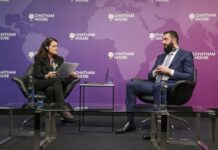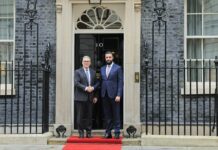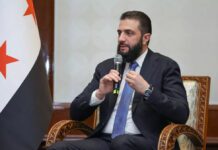
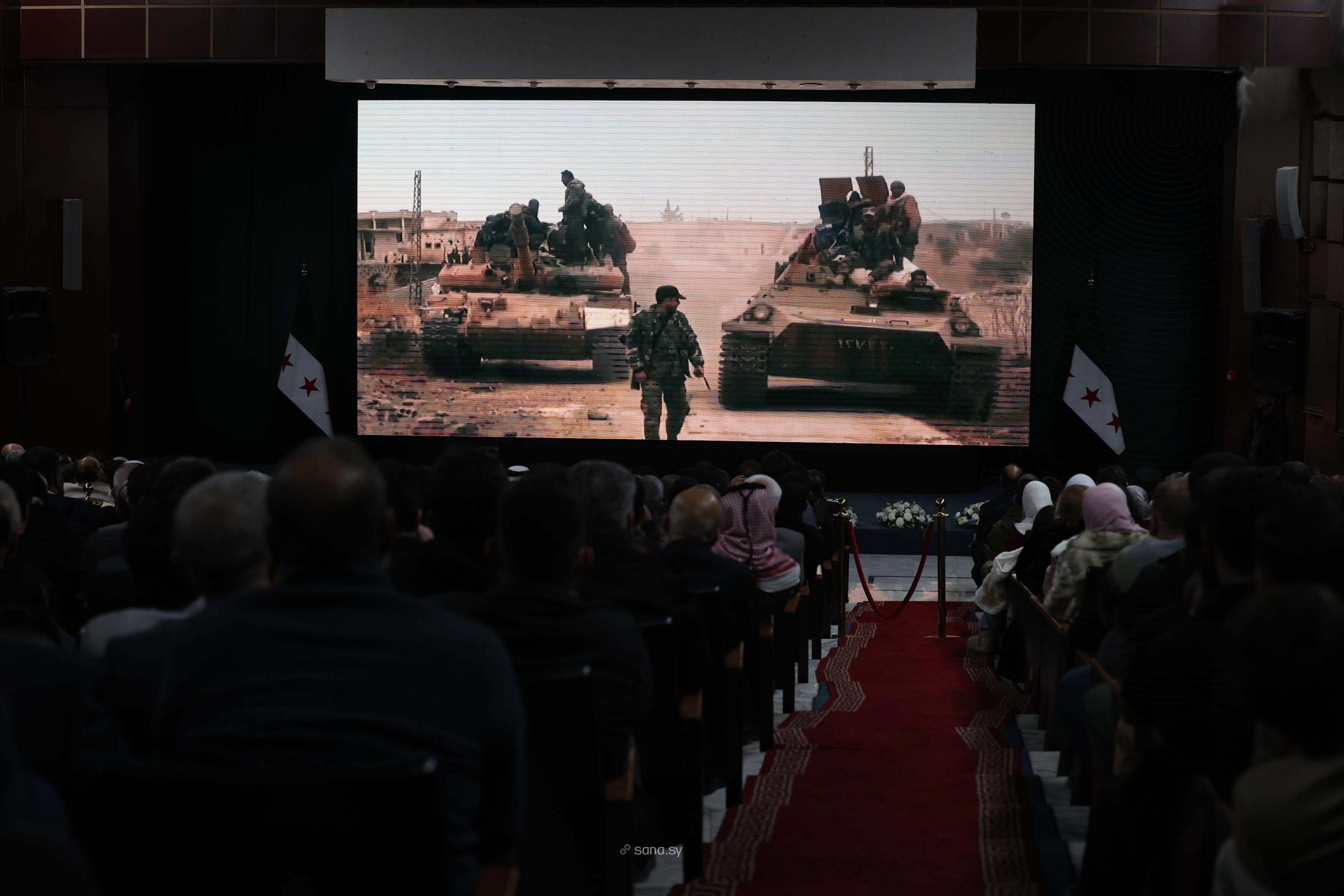
Al-Ikhbariyah television has released a documentary detailing the Repelling Aggression Operation, the military campaign culminating in the collapse of the Assad regime and the liberation of Syria in December 2024. The film, titled “Repelling Aggression,” aired Sunday, the evening of December 21, and relies on firsthand testimony from senior political and military figures, including President Ahmad al-Sharaa, Foreign Minister Asaad al-Shaibani and Defense Minister Marhaf Abu Qasra.
The documentary traces the Syrian revolution from its early peaceful protests through years of conflict, foreign intervention and decline. President Sharaa says the downturn reached its height between 2019 and 2020. “I lost many battles, and they became major milestones and lessons from which I later learned,” he says in the film, reflecting on earlier defeats.
Intelligence Operations and Communications Disruption
Among key revelations revealed in the film is the role of security and intelligence units based in Idlib. Sharaa says these forces penetrated regime systems, including communications networks, and at times transmitted false orders within the command structure. “We were receiving real-time information on the regime’s situation and its internal communications,” he says.
According to the documentary, such efforts undermined confidence within regime ranks, as soldiers began to doubt the authenticity of orders they received. Sharaa adds that the loss of trust in internal communications weakened the regime at the outset of the battle.
Diplomacy Under Tight Deadlines
Defense Minister Abu Qasra describes the decision to launch the operation as the most difficult choice facing the leadership. He says revolutionary leaders weighed three paths: a political settlement, federalism or a military resolution. “We were convinced that the only viable option was a military resolution,” he told the documentarians.
Foreign Minister al-Shaibani recounts parallel political efforts during the fighting. He says foreign governments offered little encouragement and sometimes issued advice “veiled in the language of threats,” according to the documentary. He also describes drafting a statement to Russia on Sharaa’s orders, saying Moscow welcomed its optimistic tone and agreed to talks mediated internationally.
Shaibani recalls rejecting a call from the office of former UN envoy Geir Pedersen during the Doha Forum, when he was urged to pursue a political solution based on UN Resolution 2254. “I laughed and got angry at the same time,” he says, adding that such calls risked giving the Assad regime another chance. He later warned Sharaa that an internationally backed push for a ceasefire could come within days.
Collapse and Aftermath
The film includes footage of Sharaa arriving in Damascus on December 8, 2024, and a recorded call with former Assad regime Prime Minister Muhammad al-Jalali, during which Sharaa confirms that forces had reached the capital and that state institutions should continue operating.
Shaibani says Russia ultimately recognized the regime’s inevitable collapse and withdrew rather than repeat its 2015 intervention. The documentary is presented by Al-Ikhbariyah as a historical record of decisions and events that reshaped modern Syria and will continue to air as part of the channel’s special programming.