 The Office for the Care of Childhood, Motherhood, and People with Special Needs is a humanitarian institution based in the Idlib countryside that has established a strong humanitarian presence as a Syrian initiative dedicated to supporting displaced people (IDPs).
The institution’s director, Maha Ayub, said the organization began as a spontaneous volunteer initiative in 2012 in Homs, with an initial team of 64 volunteers. Since then, it has expanded its activities to serve communities across Syria.
Humanitarian Aims of the Institution
The institution was founded to address the consequences of oppression and displacement inflicted on the Syrian people by the Assad regime. Since 2018, its work has focused on supporting children, women, people with disabilities, orphans, and IDPs through relief and development programs.
These programs include food and medical assistance, psychological support, educational initiatives, and service projects. The aim is to mitigate the effects of displacement and strengthen the resilience of the most vulnerable groups, many of whom were forcibly displaced from various Syrian provinces and now reside in camps in the Idlib countryside.
Continuing in Idlib After Liberation
Following the complete liberation of Syria, the institution has continued its humanitarian mission to ease the suffering of displaced families living in tents and rented homes. Ayub explained that the institution prioritizes child welfare by securing nutritional and educational needs.
Special care is also provided to around 3,000 people with physical and mental disabilities, including food, clothing, medicine, advanced assistive devices, and free physical therapy sessions at a specialized center. She added that the institution supports approximately 2,700 displaced orphaned boys and girls, in addition to other displaced families living in camps, by providing their essential daily needs.
Infrastructure and Development Projects
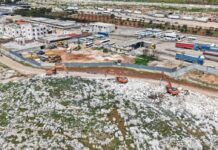
Ayub noted that the institution also contributes to rebuilding vital infrastructure. Its projects include drilling wells to provide clean drinking water, constructing residential apartments and permanent concrete villages to relocate families from tents to safe housing, paving internal camp roads, implementing sanitation projects, and building modern schools to educate future generations.
She emphasized the institution’s activities expanded significantly after liberation. These efforts included rehabilitating a main groundwater well in Rastan city with an electric pumping station, constructing a second well powered by solar energy, developing another main well, and building Rastan’s Ahmadi Mosque.
An Open Humanitarian Message
With large numbers of displaced people still living in tents and in urgent need of water, bread, food, and medicine, the institution continues to work toward its ambitious goal of achieving “zero tents.” It seeks to stand as a living example of authentic Syrian generosity and sustained humanitarian commitment.