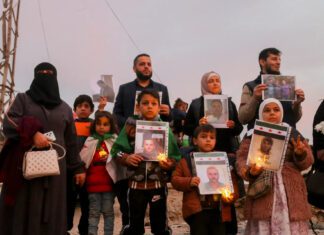
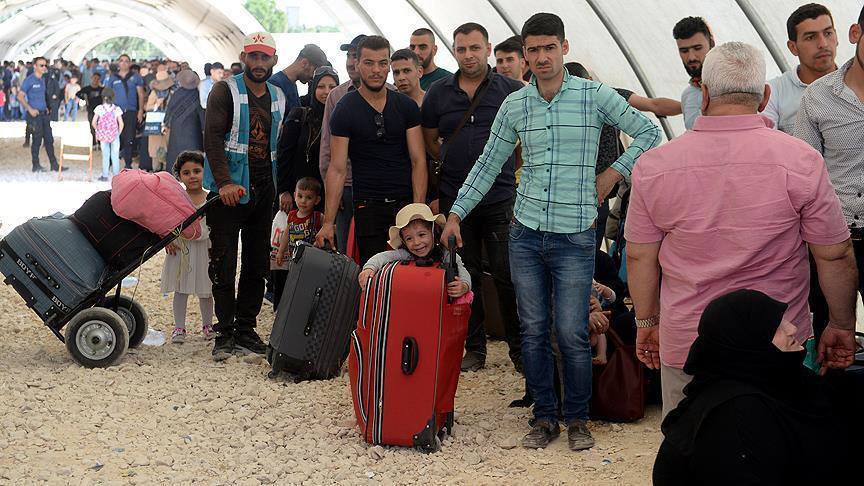
 The fall of the Assad regime has opened an unprecedented window of hope for peace and stability in Syria. One year on, over three million Syrian refugees have returned to their homes, marking a major turning point in one of the world’s largest displacement crises.
In a significant regional development, host countries Turkey and Lebanon both announced large-scale, organized returns of Syrian refugees, signaling a new phase focused on voluntary, safe, and coordinated repatriation.
Turkey Announces Return of 578,000 Syrians
Turkey’s Interior Ministry reports approximately 578,000 Syrians voluntarily returned. The ministry confirmed returns continue to increase steadily as conditions improve inside Syria. Interior Minister Ali Yerlikaya stated Syrians who lived, worked, and learned Turkish during their years of displacement would continue to serve as “ambassadors of goodwill,” helping strengthen social and cultural ties between the Syrian and Turkish peoples.
Turkey, which hosted the largest Syrian refugee population worldwide, remains central to the regional return process, with authorities emphasizing the voluntary nature of the returns and coordination with Syrian institutions.
Lebanon Reports Return of 380,000 Syrians
Lebanon’s Minister of Social Affairs, Hanin al-Sayed, announced 380,000 displaced Syrians were repatriated as part of a safe return plan launched in July 2025. She confirmed returnees were permanently removed from the UNHCR database, signaling durable returns rather than temporary movements.
She also noted that an additional 74,000 Syrians registered their intention to return before the end of the year. According to the minister, this progress reflects Lebanon’s commitment to sustainable solutions and the effectiveness of coordination with national and international partners. Sayed added that humanitarian cash assistance in Lebanon reached $434.4 million in 2024, delivered through 67 implementing partners with support from 27 donor agencies.
Desire to Rebuild and Reclaim Belonging
Lebanon’s General Directorate of General Security announced the launch of the thirteenth phase of the government’s organized return plan, implemented in coordination with Syrian authorities. The returns are being facilitated through the Masnaa border crossing, with support from UNHCR, the International Organization for Migration (IOM), the Lebanese Red Cross, and other humanitarian organizations. The process aims to ensure logistical coordination, safety, and dignified conditions for returnees.
Forced displacement remains one of the deepest wounds left by years of conflict, and return is widely seen as a critical step toward ending prolonged suffering and restoring stability. Speaking to Levant 24, Ahmad Sharaf, a 38-year-old carpenter from Erbin in Damascus countryside, described his decision to return after years of displacement in Lebanon. He explained that improved conditions in Syria, coupled with difficult living circumstances abroad, renewed his sense of belonging and motivated him and his colleagues to return home and rebuild their lives.
“I worked as a carpenter with 15 Syrian workers from Eastern Ghouta,” Sharaf explained. He said he was encouraged to return following the fall of Assad regime due to desire to live a normal life in his country and not a refuge in Lebanon were conditions remain harsh and opportunities limited. “I decided to return to Syria along with everyone working in the wood shop.”
The combined figures from Turkey and Lebanon indicate the return of more than 950,000 Syrians in a relatively short period. This represents one of the largest organized repatriation movements since the beginning of the conflict, highlighting a coordinated effort among host governments, international agencies, and Syrian institutions to manage a complex but hopeful transition toward recovery and national reintegration.