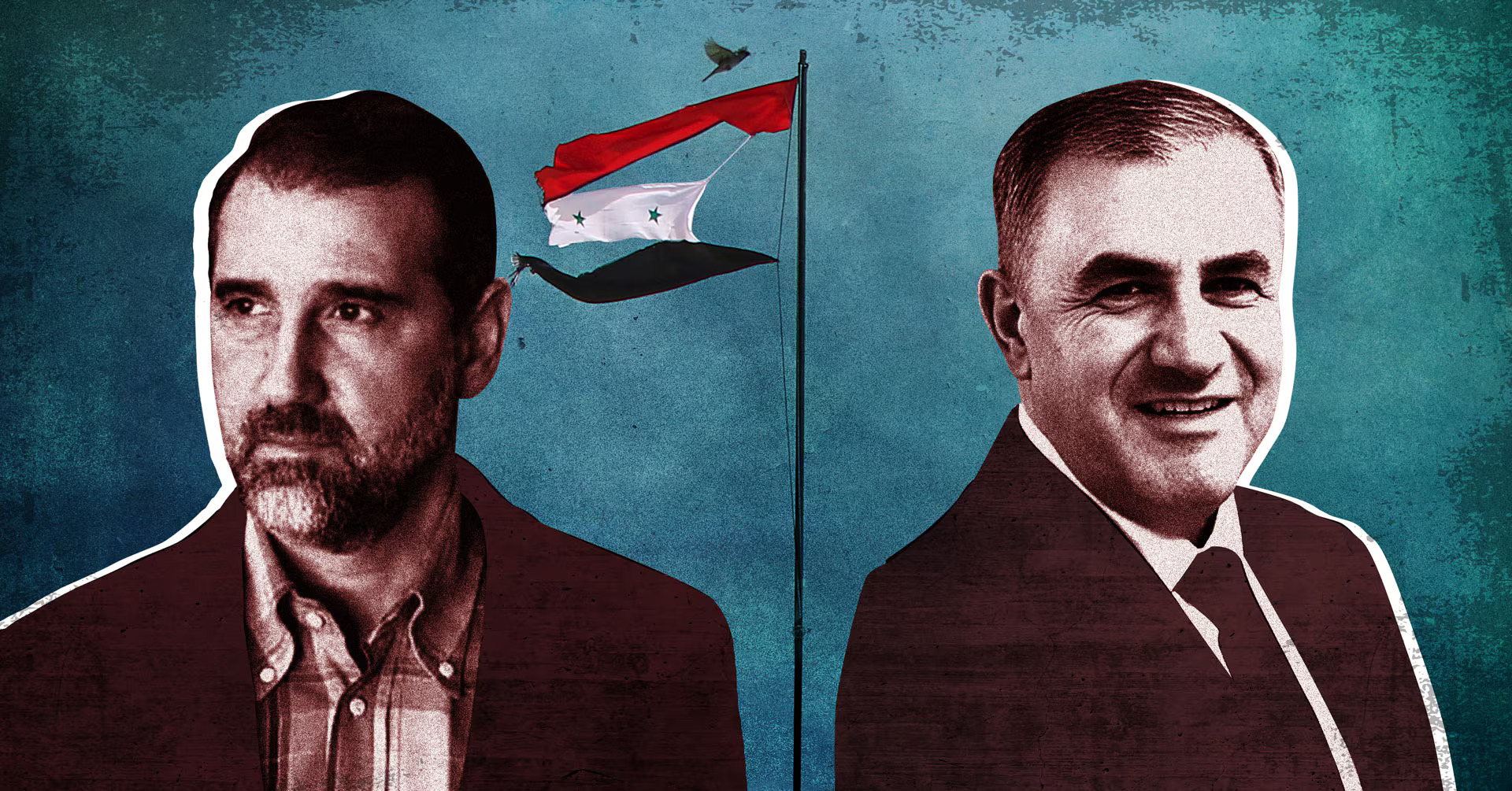
A year after the fall of Bashar al-Assad’s government, former senior officers from the army and intelligence services, who have escaped justice abroad, are attempting to reassert influence from exile, raising concerns for Syria’s fledgling authorities. Many of these figures spent more than a decade suppressing the uprising that began in 2011 and fled the country after the regime collapsed in December 2024.
According to an investigation by The New York Times, interviews with associates and intercepted communications show that some former officials are involved in plots to retake Syria, discussing armed action, political pressure campaigns, or both. While they often distrust one another and lack a unified command, the materials reviewed by the newspaper indicate determination to regain leverage inside Syria, particularly along the Mediterranean coast, an area with a large Alawite population linked historically to the Assad family.
In one intercepted call from April, Ghiath Dallah, a former Fourth Division commander linked to plots inside Syria, told a subordinate from Lebanon, “We will not start until we are fully armed,” according to transcripts reviewed by the Times. Syrian activists who provided the recordings said they hacked the phones of senior officers before the regime fell and continued monitoring them, speaking anonymously to protect those efforts.
Sanctioned Figures and Armed Networks
Two central figures in the communications are Suhail al-Hassan, Assad’s former special forces commander, and Kamal al-Hassan, a onetime head of military intelligence. Both men face international sanctions over alleged war crimes. Text messages and interviews cited by the Times show they distributed money, recruited fighters, and in Hassan’s case, purchased weapons.
Hassan and Kamal Hassan went into exile in Moscow with Assad but have continued to travel, including to Lebanon and Iraq, despite sanctions. Hassan could not be reached for comment. Kamal Hassan denied involvement in any armed rebellion, describing the allegations as political and unsupported.
The Times reported that Hassan exchanged messages listing over 168,000 potential fighters on the Syrian coast, ending notes with the phrase, “Your servant with the rank of holy warrior.” Three people involved said the effort was funded by Rami Makhlouf, Assad’s cousin, who also fled to Moscow. Makhlouf’s family declined interview requests.
Violence, Recruitment and Setbacks
The intercepted conversations intensified before violence on the coast in March, when armed groups linked to former Assad regime networks attacked security forces. Syrian government troops later regained control in operations which were marred by violations from multiple parties. The Syrian Network for Human Rights (SNHR) documented 1,662 killings between March 6 and April 16, 2025.
Former officials sought to exploit the unrest to recruit Alawite fighters, according to Reuters and Eram News. Two former collaborators said the effort drew on fear and economic hardship but faced resistance from a community exhausted by years of war. By late spring, one former Assad contact said the network had begun to unravel.
Lobbying and Border Arrests
While armed plans faltered, political efforts continued abroad. Kamal Hassan backed the Western Syria Development Organization, which hired US lobbying firm Tiger Hill Partners under a $1 million contract, according to US disclosures. Aides to several members of Congress confirmed routine meetings with lobbyists but said no policy commitments were made.
Inside Syria, authorities say they remain vigilant. The Syrian Ministry of Defense announced the arrest of 12 people, including former officers, attempting to cross illegally from Lebanon near Talkalakh, according to the German news agency dpa.
Diplomats monitoring Syria say the greater risk may lie not in an immediate uprising but in long-term efforts to shape foreign policy debates. Bassam Barabandi, a former Syrian diplomat, told the Times such campaigns could gain traction if stability falters, underscoring the fragile balance facing the country’s new leadership.