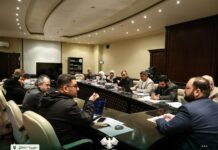
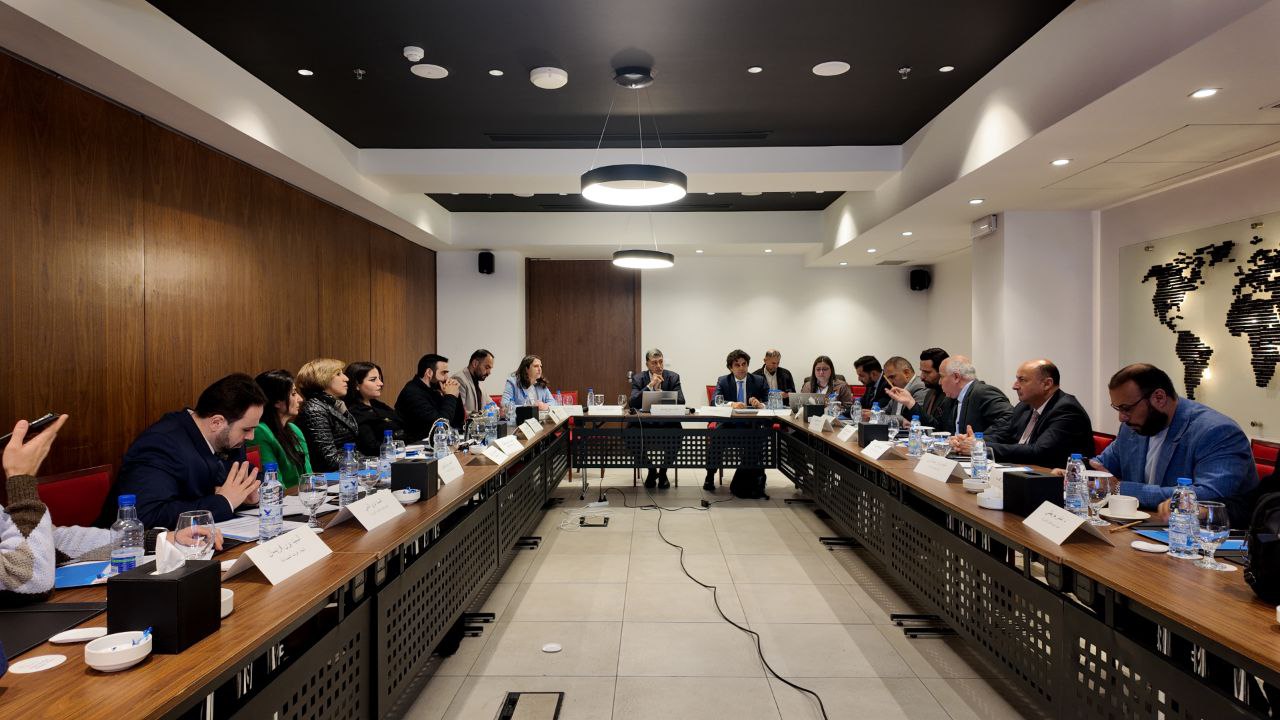
 A workshop titled “The Carbon Border Adjustment Mechanism (CBAM): Implementation Procedures and Emerging Challenges” began today in Damascus, organized by the United Nations Economic and Social Commission for Western Asia (ESCWA), with the participation of government officials, economic specialists, and private sector representatives. The event reflects ongoing national efforts to understand and adapt to new European environmental and trade policies that are expected to directly affect Syrian exports.
CBAM’s Impact on Syrian Exports
The workshop focused on preparing Syrian institutions and exporters for the European Union’s CBAM, which will begin applying strict environmental requirements to imported goods starting next year. Participants examined the expected impacts on key Syrian export sectors and reviewed the EU’s emissions-calculation standards, transparency obligations, and mechanisms for documenting production-related carbon output.
The sessions also explored potential financial and commercial burdens on companies that export to Europe, while presenting available options for both the public and private sectors to adapt to environmental standards, strengthen compliance capacities, and enhance the competitive standing of Syrian products in global markets. Presentations highlighted relevant international experiences and best practices.
Preparedness for EU’s ‘Protectionist’ Measures
Speaking to Levant24, Muhammad Abdulbassit al-Chemingui, Chief of the Regional Integration Section in ESCWA’s Economic Development and Globalization Division, emphasized the urgency of preparing Syria for global shifts in environmental and trade regulations. He described the workshop as “an important step towards preparing the Syrian economy to deal with the new European measures, which are, in essence, environmental protectionist measures.”
Chemingui clarified that the challenge is multidimensional, “It is not only environmental but also economic and commercial. Syria must build an economy that relies on clean production.” He added that raising awareness is essential, particularly regarding how the private sector can adapt to the new requirements and what policies must evolve to ensure the ability of Syrian industries to enter international markets without hindrance.
According to ESCWA, this event marks the beginning of a broader program aimed at equipping the Syrian economy to engage effectively with “green” trade policies, with follow-up workshops planned to develop practical economic strategies that reinforce the competitiveness of Syrian exports and support economic recovery.