Syrian authorities assumed control of the Aqtan prison in Raqqa province this week, a move that quickly revealed widespread human rights concerns tied to the facility’s former administration by the Syrian Democratic Forces (SDF).
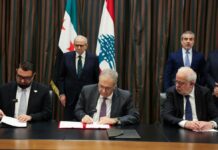
The Ministry of Justice announced Friday that the handover had been completed following the withdrawal of SDF elements, describing the step as part of restoring state authority and reactivating institutions in line with Syrian law.
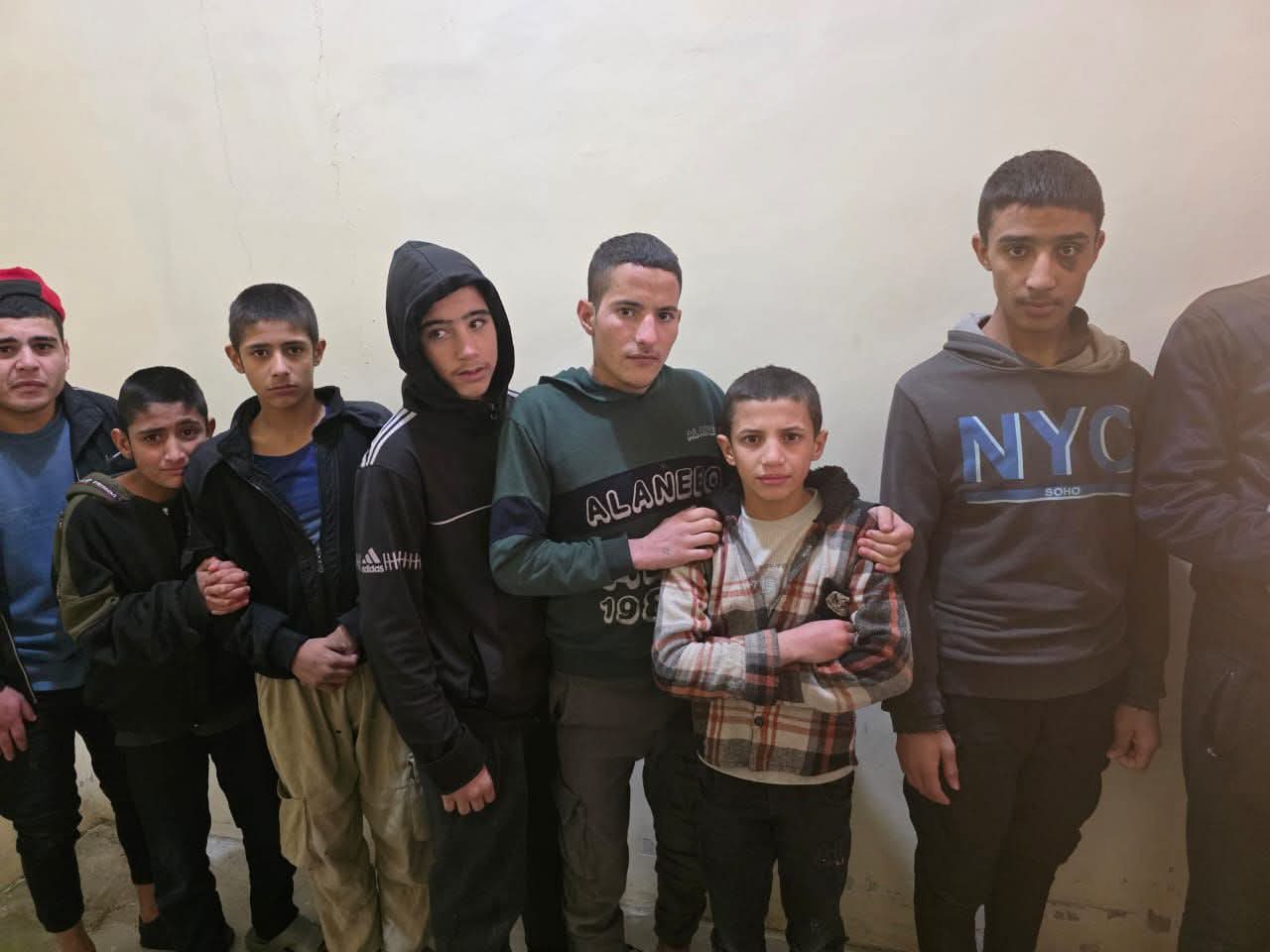
Within hours of the takeover, internal security forces began reviewing detainee files and conditions. Less than 24 hours later, authorities released dozens of juveniles held at the prison, exacerbating ongoing concerns about the abduction, detention and recruitment of minors and lack of legal oversight during the SDF’s control.
Release of Minors Draws Public Attention
A security source told Al-Ikhbariyah TV that 126 detainees were released from Aqtan prison on Saturday, all of them under the age of 18 with children as young as 10 having been sentenced. SANA reported that the minors were transferred to the Palace of Justice in Raqqa to be handed over to their families, publishing photographs showing crowds of relatives gathered outside the building.
The New Arab reported families camped for days near the prison in freezing temperatures, awaiting news of detained relatives. Raed al-Eid, who has waited nearly five years for information about his brother, told the outlet he had spent six days outside the facility hoping for answers. “I urge the government to expedite the procedures concerning the detainees,” he said, adding that his brother had been arrested on what he described as “fabricated charges.”
Another resident, Hassan Abboud from Ras al-Ayn, told the New Arab that his 11-year-old brother had completed a seven-month sentence after initially receiving a seven-year term that was later reduced because he was a minor. “We demand that this matter be resolved as quickly as possible so that they can be released,” he said.
Conditions and Alleged Violations Inside Aqtan
Government officials said early inspections showed that detainees with vastly different cases had been held together without classification. Officials speaking to residents said some prisoners were convicted of serious crimes, including murder and drug trafficking, while others had been detained on lesser charges or without any clear due process.
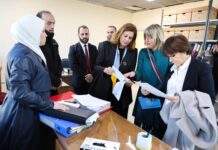
The Ministry of Justice said specialized judicial committees have begun reviewing each file individually to determine eligibility for release, stressing legal review remains a prerequisite. The ministry added it is ensuring detainees’ access to food, water and medical care, in accordance with judicial and humanitarian standards.
The Ministry of Interior also launched a digital inquiry service through its “Your Voice Has Been Heard” application, allowing first-degree relatives to check the status of detainees at Aqtan and other facilities by submitting verified documents.
International Scrutiny and Wider Ramifications
The handover of Aqtan prison comes amid growing international concern over the SDF’s management of detention centers in northeastern Syria. The Financial Times quoted a Western diplomat as saying the SDF had shown it was not a “trustworthy entity” in handling the prisons file, citing the abandonment of facilities and the risk of ISIS detainees escaping.
The EU echoed those concerns, spokesman Anwar al-Anouni said reports of ISIS detainees escaping during recent clashes were of “grave concern,” adding that the bloc is closely monitoring the transfer of detainees to Iraq, according to AFP.
Aqtan is the second major prison to fall under government control in recent days. Syrian authorities previously entered Shaddadi prison in Hasakah province after an escape involving about 120 ISIS detainees, most of whom were later recaptured, according to the Interior Ministry.
Families Await Accountability
For families in Raqqa, the release of minors marked a rare moment of relief after years of uncertainty. Yet many continue to wait for information about relatives still held inside Aqtan. Officials have urged patience as reviews continue, promising transparency as files are examined.
As judicial committees work through hundreds of cases, the discoveries at Aqtan have intensified scrutiny of detention practices under the SDF and raised broader questions about accountability, due process and the treatment of children in conflict-related prisons across northeastern Syria.