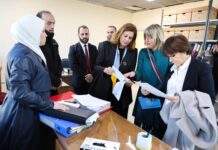
 The Investigation Committee on the Fate of Detainees’ Children and the Forcibly Disappeared in Syria presented the results of its work during a press conference held at the Ministry of Social Affairs and Labor in Damascus, outlining progress made over the past six months in tracing children placed in social care institutions.
Identifying Children and Reuniting Families
Committee head Raghdah Zaidan explained that the committee’s mandate is limited to investigating the cases of children who were placed in care homes affiliated with the Ministry of Social Affairs, not all missing children nationwide. Within this scope, the committee identified 314 children in care institutions.
Following verification and documentation, 150 children were reunited with their families, while work is ongoing to verify the identities and family connections of 50 additional children, for whom preliminary address information is available and field visits are underway.
Structured Investigation and Family Support
Zaidan noted that the committee adopted a multi-track methodology, including collecting documents and photographs, preparing family-based data forms, and forming a volunteer monitoring team, half of whom are from affected families, to review care-home records and follow up on reunification cases. Two dedicated hotlines were also established providing family support and legal guidance.
In parallel, the committee has engaged with international bodies and maintained communication with families through social media platforms, offering updates and psychosocial support.
Legal Assistance Without Judicial Interference
Addressing the legal dimension, committee member and Ministry of Interior representative Samer Qarbi said that families who have come forward were provided with legal consultations to help them pursue judicial procedures.
He stressed that the committee operates independently from the judiciary and does not interfere in judicial investigations. Qarbi explained that determining whether children are of unknown parentage or children of forcibly disappeared parents depends on official records referred to the courts, which retain sole authority over such determinations.
Care Institutions Share Their Findings
Fateh al-Abbasi, National Director of SOS Children’s Villages, stated an internal audit committee reviewed archival records and identified 140 cases of children forcibly placed in SOS care in earlier years. Of these, 106 cases have been traced, while efforts continue to locate the remaining children. He emphasized that placing children without their families’ knowledge or consent caused deep suffering for both children and parents.
A Mother’s Hope After a Decade
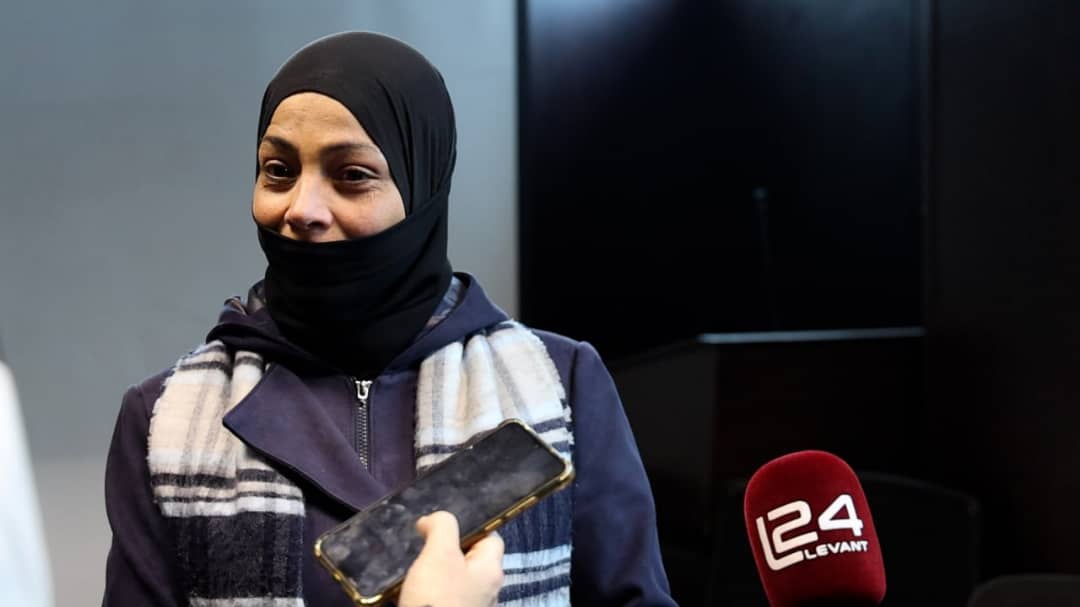
Among those attending the conference was Amna Marwa, whose husband and four children disappeared during the siege of Yarmouk camp in January 2014 after civilians were promised a humanitarian corridor. She told Levant24 “I still feel my children are alive,” holding onto hope despite over ten years without official information.
Marwa said her presence at the conference was driven by the belief that every documented case and every announced figure could bring her closer to the truth about her children’s fate, a reminder that behind every statistic lies a family still waiting.