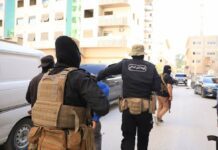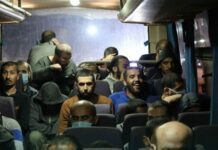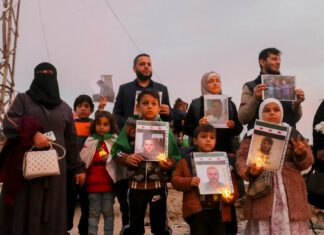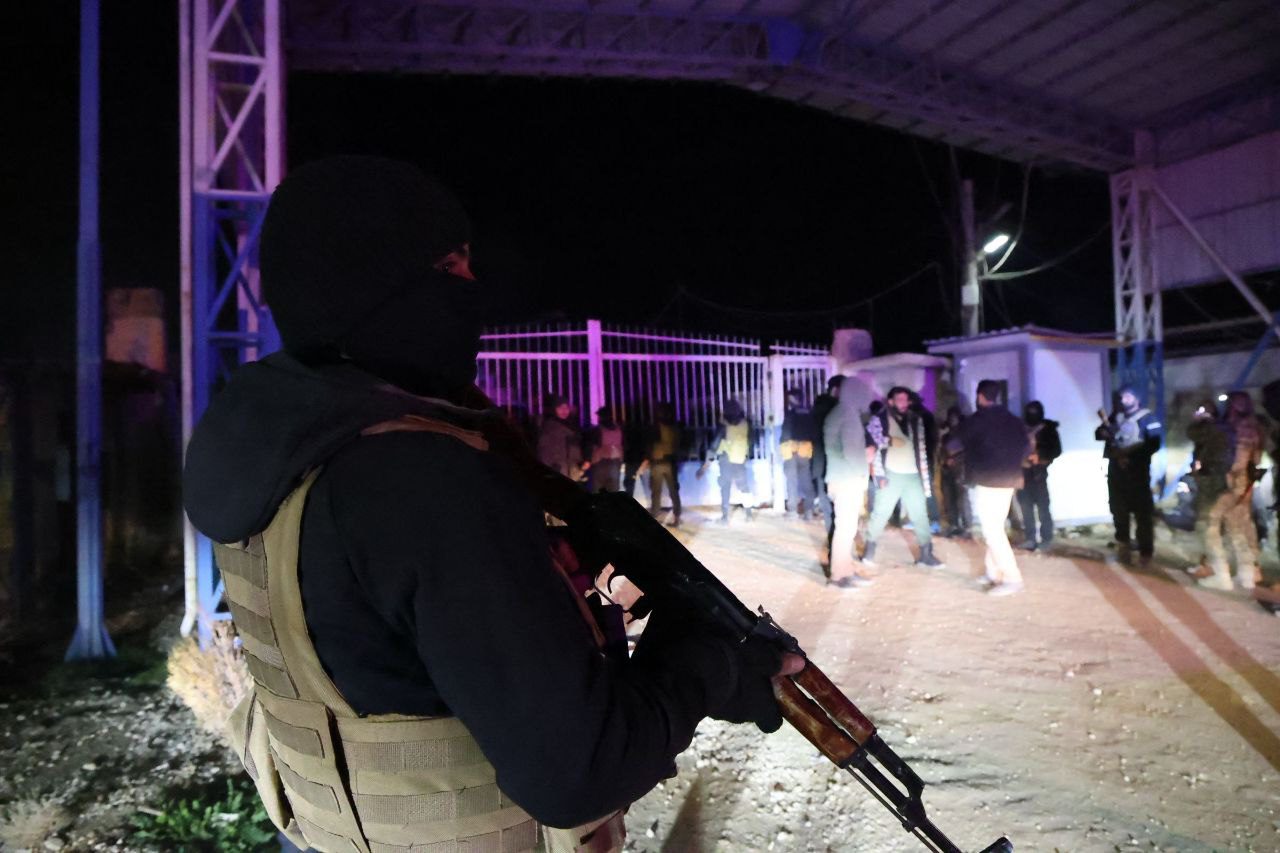
Syria’s Interior Ministry announced security forces have taken control of Hawl Camp after the Syrian Army secured the area, following the SDF’s withdrawal. (Social Media)
Syria’s government and the PKK-aligned Syrian Democratic Forces (SDF) announced a new four-day ceasefire late Tuesday, Jan. 20, giving the SDF a final deadline to comply with an integration plan first outlined on March 10, 2025. Officials in Damascus say the truce is the last opportunity to avoid a military resolution after nearly 10 months of stalled agreements that were repeatedly signed, delayed or rejected.
The ceasefire came hours after clashes intensified across Hasakah province and following the collapse of two earlier deals this month that Syrian authorities say the SDF failed to implement. The Syrian presidency said the four-day window is intended to allow internal consultations by the SDF on a detailed plan for integrating military, security and civilian institutions into the Syrian state. If no plan emerges, officials have warned that force will be used to reassert state control.
Since March, negotiations have centered on merging the SDF into the Syrian army and Interior Ministry, handing over border crossings and detention facilities, and restoring government authority in the northeast. Syrian officials say those commitments remained largely unfulfilled.
Detention Facilities at the Center of the Crisis
The latest escalation focused international attention on detention centers holding thousands of suspected ISIS members and camps housing their families. On Tuesday, Syrian authorities said SDF guards withdrew from Hawl camp in northeastern Hasakah, triggering chaos and allowing detainees to flee.
Hawl camp houses around 24,000 people, according to Sheikhmous Ahmad, a Kurdish official overseeing displacement camps, who spoke to the AP. He said roughly 14,500 are Syrians, nearly 3,000 are Iraqis and about 6,500 from other nationalities are held in a high security annex.
The Defense Ministry said it is ready to take over Hawl and all ISIS prisons, rejecting what it described as the use of detainees as political bargaining chips. Deputy Interior Minister Maj. Gen. Abdulqadir Tahhan said Syrian Interior Ministry forces moved into Hawl camp immediately after the army secured the area, following the SDF’s withdrawal from its positions. He denied reports that detainees or families were released and said residents’ cases will be reviewed under applicable Syrian law.
Four-Day Deadline and International Pressure
Under the latest understanding, Syrian forces will remain outside the city centers of Hasakah and Qamishli if an agreement is reached. The presidency said SDF commander Mazloum Abdi may nominate candidates for senior posts, including assistant defense minister and governor of Hasakah, and representatives to parliament.
US envoy to Syria Tom Barrack urged the SDF to proceed with integration, saying in a statement Tuesday that the group’s role as the primary anti-ISIS force “has largely expired,” as Damascus is now positioned to take over security responsibilities.
The SDF said it remains committed to the ceasefire unless attacked, while senior official Ilham Ahmad blamed the government for earlier violations and called for continued dialogue. Syrian officials, however, argue that the pattern since March shows habitual noncompliance.
Implementation Challenges and Past Failures
Observers note that both the Syrian government and international actors have shown extreme patience with the SDF. Rena Netjes, a journalist and independent researcher focusing on northeastern Syria, told Levant24, “The core problem has always been implementation,” she said. “The SDF has signed many agreements that looked good on paper but were never carried out. Not only was the 2019 UN agreement to stop child recruitment ignored, child abductions actually increased in recent years.”
Netjes added that the SDF submitted lists in December for integration into the Syrian army, including numerous former regime officers known for human rights violations, which Damascus rejected. The group also requested multiple extensions to implement the March 10 agreement, but was ultimately given only until mid-January.
“They had eight months to implement at least part of the agreement, but almost nothing was done. I am convinced that without military pressure, no real compromise would ever have been implemented,” she said.
In a statement carried by SANA, the Defense Ministry warned that failure to meet the four-day deadline would leave no alternative but a military solution, stressing that the army’s priority remains combating ISIS and restoring stability. As the clock runs down, the fate of northeastern Syria appears tied to whether the SDF can deliver concrete steps after months of delay. For Damascus, officials say, patience has nearly run out.