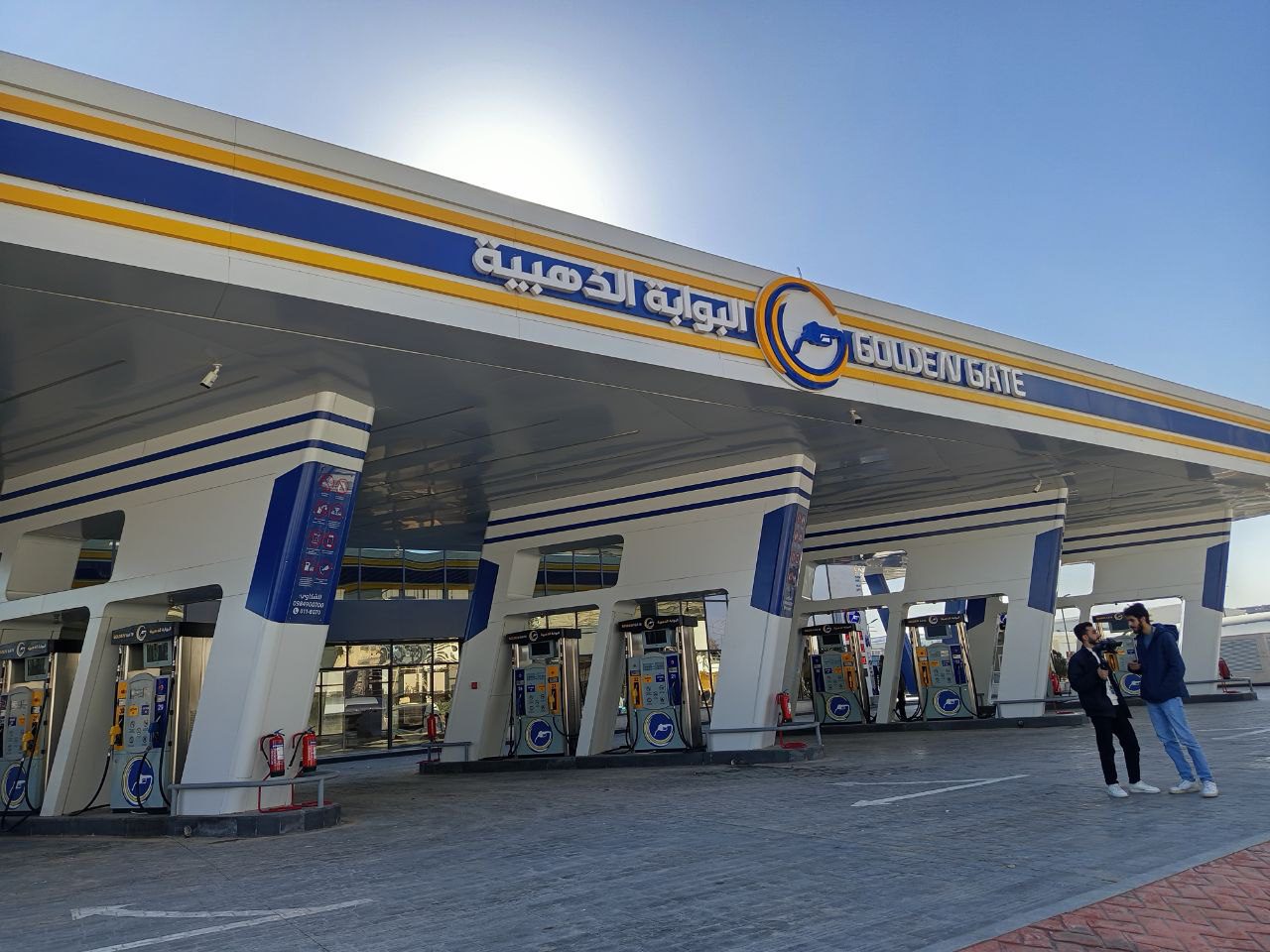
 As part of ongoing government efforts to restructure Syria’s oil sector and dismantle years of monopolistic control, the Golden Gateway for Transport and Petroleum Services company has officially resumed operations as a state-owned enterprise. The move marks a significant step toward restoring public oversight of strategic sectors, enhancing transparency, and improving the management of national resources.
The relaunch comes with a new operational framework focused on upgrading petroleum transport and distribution services for both industrial users and citizens, in coordination with national pricing mechanisms.
A New Operational Phase
General Director Tariq Asfour described the reopening as “a new beginning,” noting that the company has adopted an integrated and phased operational plan. Initial activities include reopening main branches in Damascus, Aleppo, Homs, and Tartus, with future expansion planned based on market demand and logistical assessments.
Asfour explained that Golden Gateway’s stations will serve the public directly, while the company’s transport fleet will supply industrial and economic facilities with petroleum derivatives at prices set by the Syrian Petroleum Company (SPC). Improving service quality and operational reliability, he stressed, is a top priority in rebuilding trust with citizens and economic stakeholders.
Reform with Cautious Optimism
Economic expert Amer Deeb welcomed the company’s return under state ownership, describing it as a positive signal within broader efforts to reorganize the petroleum derivatives sector. He cautioned, however, that success depends on clear governance frameworks and professional management.
“The return of Golden Gateway cannot be separated from the broader recovery of the Syrian economy after years of war,” Deeb said, adding that restoring state leadership over vital sectors is essential to curbing corruption and monopolistic practices.
Strategic Implications
According to Deeb, the relaunch serves multiple strategic objectives: reinforcing public control over critical infrastructure, ensuring more stable energy supplies for industry, and restoring institutional credibility by honoring previous commitments to stakeholders affected by sectoral disruptions.
Recent restructuring measures have already contributed to noticeable improvements in petroleum transport and distribution services, benefiting both households and industrial consumers. The return of Golden Gateway as a state-owned operator is expected to further strengthen supply chains and support economic stabilization efforts.
Overall, the move reflects a broader policy direction aimed at reclaiming strategic assets, improving governance, and positioning the energy sector as a cornerstone of Syria’s gradual economic recovery.