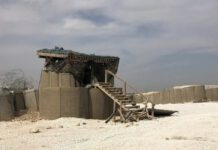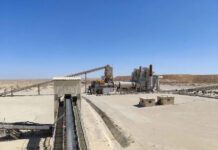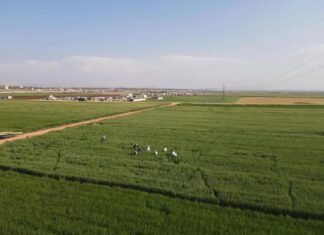
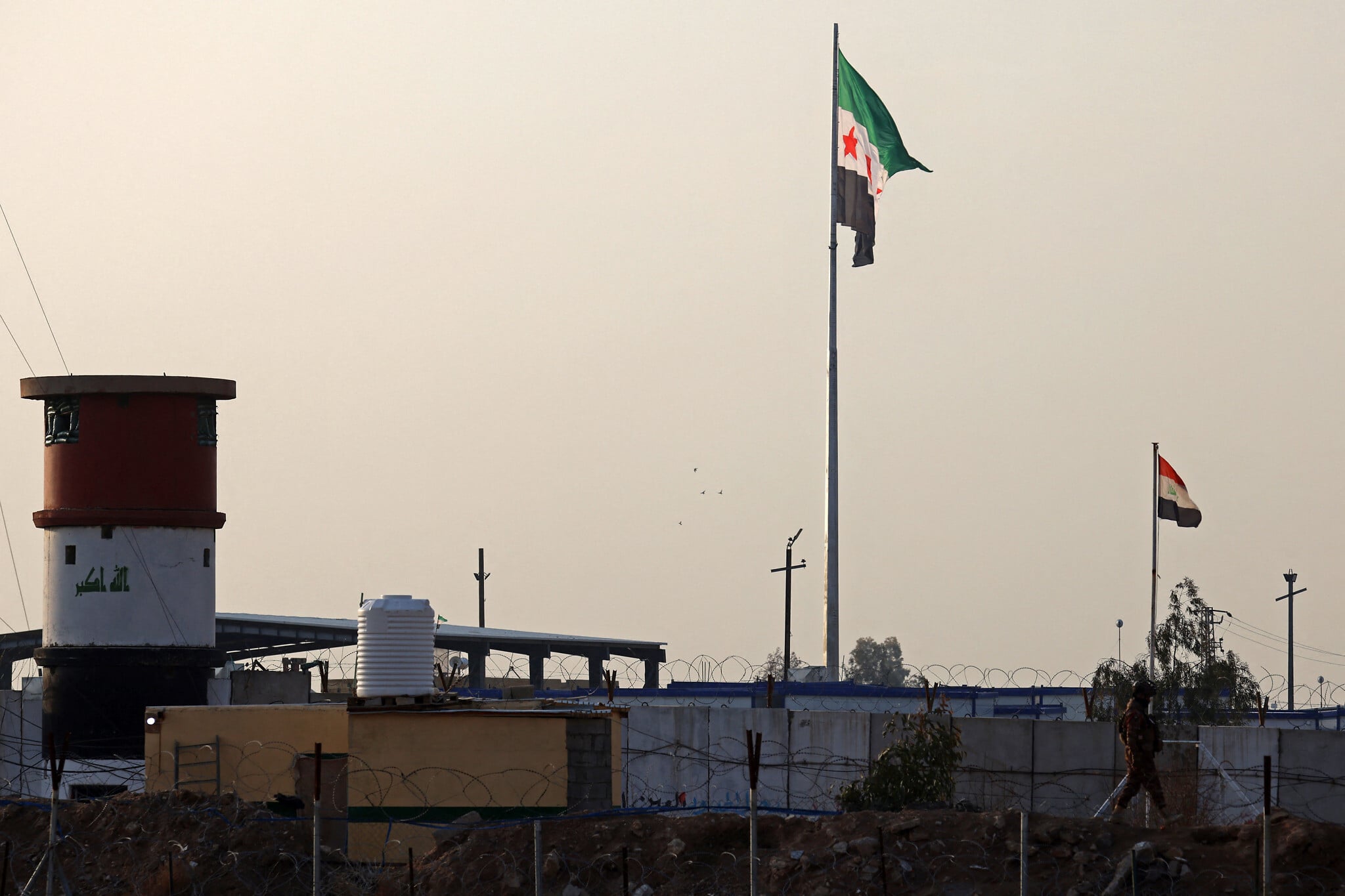
Qaim on the Syrian-Iraq border, January 23, 2026. (Ahmad al-Rubaye/AFP)
Iraq has begun receiving prisoners transferred out of detention centers in northeastern Syria, marking a significant shift in how thousands of ISIS detainees are being handled after the collapse of Syrian Democratic Forces (SDF) control over large areas of the region.
According to Iraqi officials and US military statements, the first batch of detainees arrived Wednesday night, Jan. 21, after being flown from Hasakah province by US aircraft under heavy security. The US Central Command (CENTCOM) said the initial transfer involved 150 ISIS members and confirmed that the operation is expected to expand, with up to 7,000 detainees eventually moved to Iraqi-controlled facilities.
Iraqi military spokesman Sabah al-Numan said the decision to receive the prisoners was approved by Iraq’s National Security Council, which includes Prime Minister Muhammad Shia al-Sudani, senior security officials and the ministers of defense and interior. He said the move was taken to contain the threat posed by detainees described as senior ISIS figures responsible for attacks in Iraq.
Detention Centers Rushed Into Readiness
Iraqi sources told the New Arab that three detention facilities were rapidly prepared to receive the transfers. These include Susa Prison in Sulaymaniyah, Hout Prison in Nasiriyah and the airport prison near Baghdad International Airport. Separate wings were designated for ISIS leaders, rank-and-file members and detainees assessed as lower risk, according to the sources.
The same officials said the existing prisons may not be sufficient if transfers reach the anticipated scale. They noted that authorities are considering reopening Abu Ghraib prison or using additional facilities to prevent overcrowding.
Agence France-Presse quoted Iraqi security officials as saying the first group included prominent ISIS leaders of Iraqi, Arab, Asian and European nationalities. One official said the batch consisted of 85 Iraqis and 65 foreigners, all of whom had participated in operations during ISIS’ territorial control in 2014.
International Role and Legal Process
CENTCOM said the transfer mission began to prevent potential escapes after instability spread near detention sites once guarded by the SDF. A US official told Reuters that hundreds of detainees could be moved daily and that the most dangerous fighters were being prioritized.
Iraqi judicial authorities confirmed that all transferred detainees will face prosecution under Iraqi law. The Iraqi Supreme Judicial Council said legal proceedings will begin immediately and that both Iraqi and foreign nationals fall under Iraqi jurisdiction.
US Secretary of State Marco Rubio praised Iraq for accepting the detainees, urging countries of origin to repatriate their citizens. “Non-Iraqi terrorists will remain in Iraq temporarily,” Rubio said in a statement.
Political Debate and Border Security
The transfers have drawn criticism from some Iraqi lawmakers. Parliament member Miqdad al-Khafaji called the operation a violation of sovereignty and warned of potential security risks. Other officials defended the decision, arguing that leaving detainees in Syria posed a greater danger.
Iraq has reinforced its border with Syria, completing over 80% of a concrete barrier equipped with thermal cameras, according to Numan, who said the border is now fully secured. As transfers continue, Iraqi and US officials say coordination with Syria remains critical to preventing escapes and ensuring long-term security in both countries.