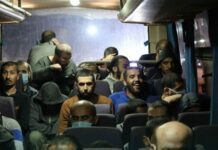
Iraqi security officials and analysts are voicing rising concern that unrest in northeastern Syria could spill across the border, exposing Iraq to new security risks as the Syrian Democratic Forces (SDF) lose territory and signal possible escalation. The fears center on implied threats to release ISIS detainees and the potential movement of armed fighters toward Iraqi territory as Syrian government forces expand control in former SDF-held areas.
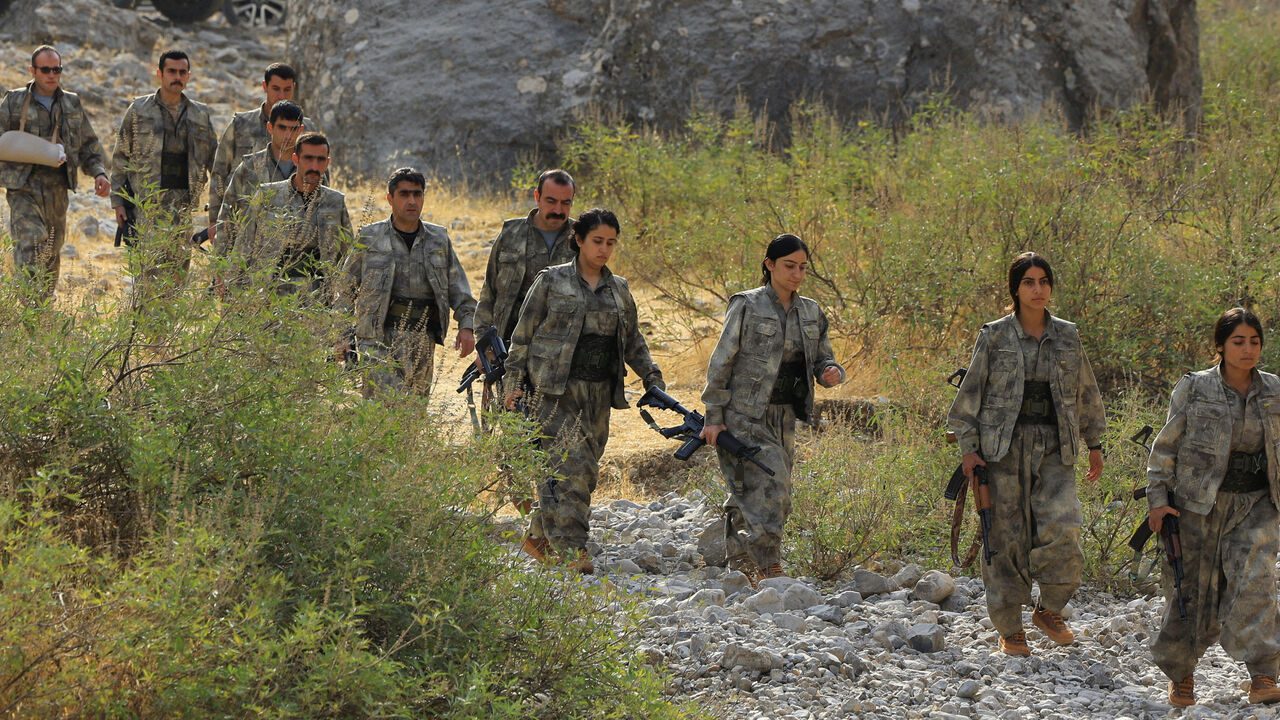
With the SDF retreating from large parts of Aleppo, Raqqa, Deir Ezzor and sections of Hasakah, attention has returned to the Iraqi-Syrian border, particularly the Sinjar region in Nineveh province. Security assessments cited by Iraqi media warn that fighters linked to the Kurdistan Workers’ Party (PKK) could exploit smuggling routes and rugged terrain to move from Syria into Iraq, taking advantage of overlapping zones of influence along the border.
The PKK has maintained an organized presence for years in northern Iraq, especially in the Qandil and Sinjar mountains, and holds close organizational and military ties with the SDF. Iraqi analysts say that connection increases the likelihood of redeployment if fighters refuse integration or disarmament under recent Syrian agreements.
Sinjar Returns as a Flashpoint
Former Nineveh Gov. Atheel al-Nujaifi said developments in eastern Syria carry direct consequences for Iraq, particularly border districts. Writing on Facebook, Nujaifi said the Sinjar file risks resurfacing as a security dilemma, driven by rapid changes in Syria and pressure on PKK fighters to disarm in Turkey.
He warned that Sinjar’s border location, combined with drug cultivation and the possible arrival of fighters withdrawing from Syria, could create a crisis if left unaddressed. Nujaifi urged Iraqi authorities to act early and called for forming an international coalition to confront armed factions operating outside state frameworks and involved in smuggling and drug trafficking.
Warnings of Armed Infiltration
Strategic expert Ali Agwan outlined what he described as two options facing the SDF: confrontation with the Syrian army or transferring surplus fighters toward Sinjar and Qandil. In a Facebook post addressed to Iraqi security institutions, Agwan said either path places Iraq before a double challenge, as security forces already remain focused on combating ISIS.
Agwan argued that Iraq risks becoming a refuge for armed groups engaged in smuggling, trafficking and extortion if decisive action is delayed. He called for reclassifying the PKK as a terrorist organization and launching intelligence and military operations to dismantle its financial and operational networks, citing its control of border villages and intimidation of local populations.
Security and Economic Stakes
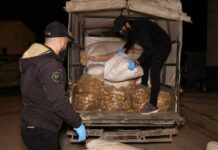
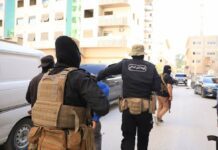
Iraqi forces have begun reinforcing the border in response to these concerns. The Popular Mobilization Forces (PMF) said Monday, Jan. 19, that units expanded deployment along the Syrian frontier, hours after Sadrist leader Muqtada al-Sadr warned that “the danger is imminent” and urged immediate protection of borders and crossings. The Iraqi Joint Operations Command later confirmed that the border is fully secured through layered deployments and advanced monitoring, according to statements carried by the Iraqi News Agency and Rudaw.
Beyond security, analysts warn of economic consequences. Writer Rasli al-Maliki said the presence of SDF-linked forces near the Iraqi-Turkish-Syrian triangle threatens the viability of the Development Road project, arguing that armed infiltration would deter investors and disrupt planned transport routes. As Syria undergoes rapid change, Iraqi officials stress that preventing spillover remains critical to safeguarding national security and regional stability.