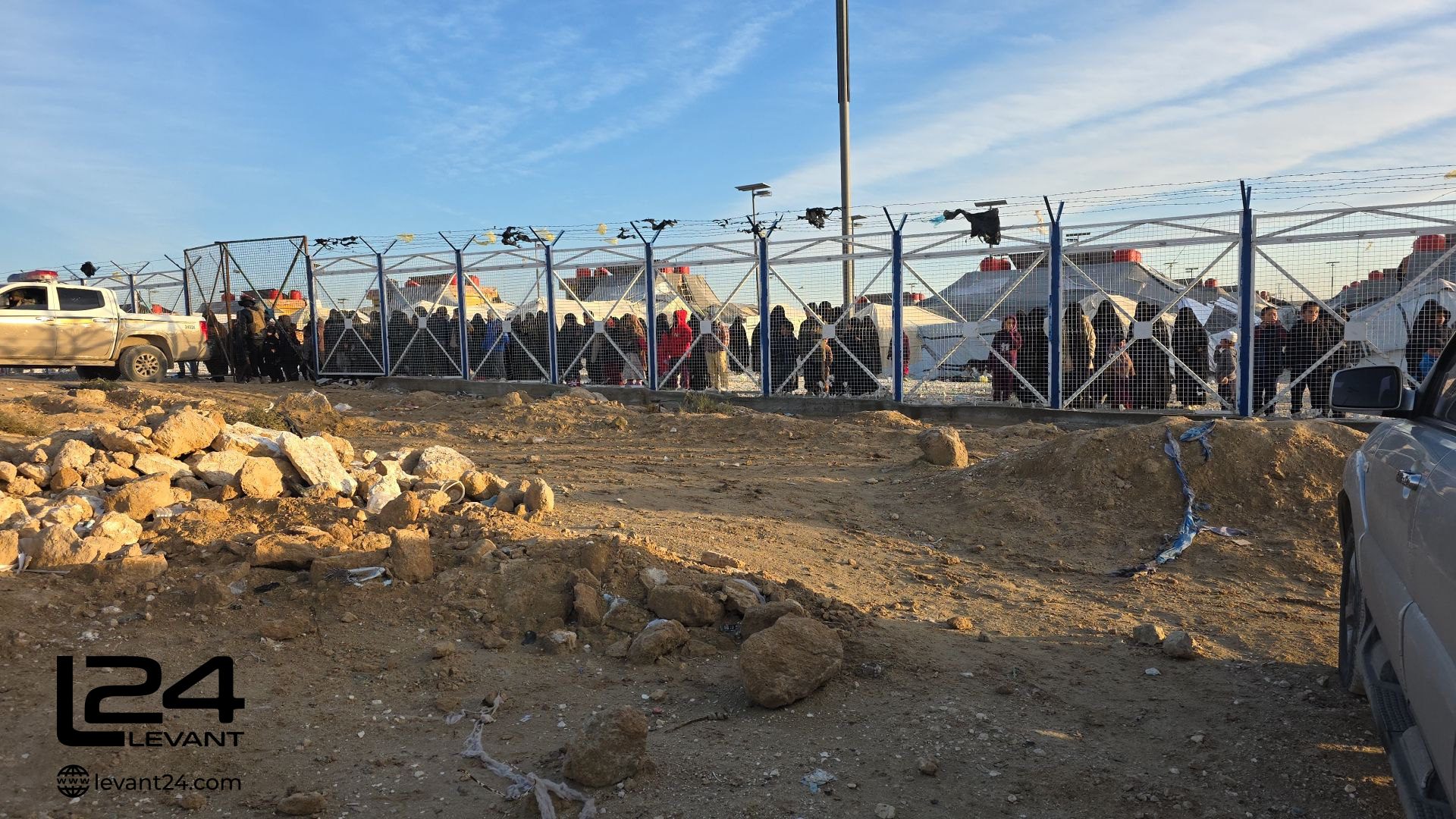
For years, detention facilities holding thousands of suspected ISIS members in northeastern Syria operated under the control of the Syrian Democratic Forces (SDF), with backing from the US-led international coalition. These prisons, including the Industrial Prison and Central Prison in Hasakah and Alaya Prison in Qamishli, housed over 5,000 detainees, according to local security estimates. The SDF also administered camps such as Hawl and Roj, which the UN says together shelter over 28,000 people, many of them women and children linked to ISIS fighters.
Human rights groups and Syrian officials long warned that the SDF lacked the legal framework and institutional capacity to manage such a large detention system. Those warnings intensified after the rapid collapse of SDF control in parts of northeastern Syria over two weeks, raising concerns over prison security, detainee rights and regional stability.
Accusations of Mismanagement and Leverage
In an interview with Levant24, Interior Ministry spokesman Nouruddin al-Baba accused the SDF of deliberately exploiting ISIS detainees as a political bargaining tool. He said Syrian authorities had anticipated that the SDF would attempt to “empty ISIS prisons” to create chaos and pressure both Damascus and the international coalition.
Baba said the SDF evacuated detention sites before Syrian government forces arrived, which facilitated the escape of ISIS members from at least three prisons. “The Syrian government arrested most of the escaped ISIS members and placed them under legal prosecution,” he said, adding that they are being handled in line with international humanitarian law.
He also pointed to repeated public statements by SDF officials and activists threatening to abandon the detainee file if international support waned. In what can only be described as political blackmail aimed at preventing the coalition from disengaging. According to Baba, mediation efforts led by the US to transfer control of the prisons to the Syrian state met consistent resistance from the SDF, despite a March 10 agreement placing the issue formally on the table.
Transfers and Coalition Involvement
Last week, the international coalition transferred over 300 ISIS detainees from Hasakah. About 150 detainees were moved first to the Kharab al-Jir base near Qamishli before transfer to Iraq, with another batch moved from Sinaa prison in Hasakah. Iraqi government spokesman Bassem al-Awadi confirmed that Baghdad has received 150 detainees so far and has begun nationality verification.
Reuters reported that the US initially planned to transfer up to 7,000 detainees but slowed the pace after appeals from Iraq, which is negotiating with other countries to repatriate their nationals. Iraqi judicial and security officials told Reuters around 130 Iraqis and 400 foreign nationals have arrived so far.
State Obligations and Human Rights Standards
As Damascus assumes control of detention facilities and camps, rights organizations say the challenge now shifts to compliance with international law. Fadel Abdulghani, director of the Syrian Network for Human Rights (SNHR), told Levant24 that the issue should be treated as an “urgent compliance issue” requiring action within weeks, not months.
Abdulghani said authorities must end detention without clear legal basis, establish independent review mechanisms and ensure minimum standards of treatment, including healthcare, family contact and access to lawyers. He called for zero tolerance for torture, comprehensive registration of all detainees and differentiated procedures for children, women and foreign nationals.
Closing Camps and the Road Ahead
The Syrian government announced plans to permanently close the Hawl and Roj camps within a year, after taking control of Hawl following what officials described as a chaotic SDF withdrawal. The government declared the camp and its surroundings a “closed security zone.”
Officials say these steps aim to dismantle a system that posed ongoing security risks while aligning detention practices with international standards. Whether Syria can balance accountability, security and human rights obligations will shape not only the fate of thousands of detainees, but also broader efforts to stabilize a region long defined by conflict and legal uncertainty.