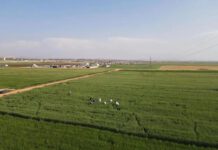
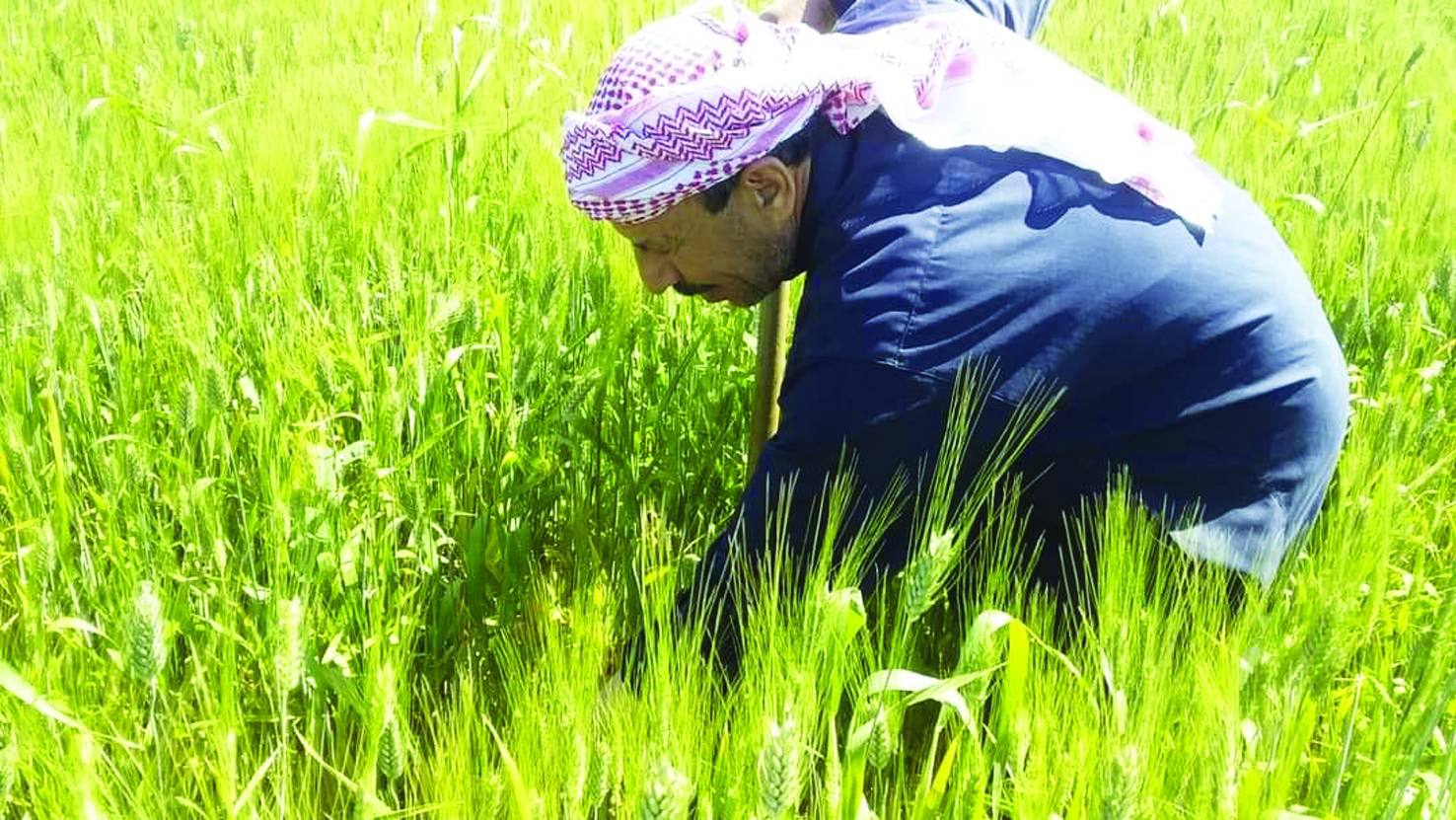
 Recent heavy rainfall revived several Syrian rivers after over a year of severe drought, raising hopes for a strong agricultural season and improved water availability to support farming and livestock. Water has begun flowing again in riverbeds which dried up last season, bringing relief to farming communities across Syrian governorates depending heavily on agriculture and animal husbandry for their livelihoods.
A Strategic Shift in Wheat Cultivation
Agricultural expert Abdurahman Quronfula confirmed the Ministry of Agriculture is implementing a plan to expand wheat cultivation nationwide to offset production shortfalls. This shift comes as several eastern regions, historically Syria’s primary wheat producers, remain outside government control.
The new approach focuses on encouraging farmers in all provinces to increase wheat planting rather than relying on a limited geographic area. According to Quronfula, provincial agriculture directorates have been tasked with continuous, daily coordination with farmers to support expanded grain cultivation.
From Drought to a Promising Season
Years of drought and irregular rainfall have significantly reduced wheat yields, forcing Syria to rely on imports. However, Quronfula noted that rainfall levels and distribution so far this season indicate a strong improvement, raising the possibility of achieving production levels closer to national needs.
Syria’s annual wheat demand ranges between 1.8 and 2.5 million metric tons. Last year’s harvest fell well below this threshold, but current conditions suggest a marked recovery. Reflecting on past capacity, Quronfula recalled before 2010 Syria produced up to 4 million metric tons annually, maintaining strategic reserves sufficient for several years and exporting surplus grain.
The return of rainfall represents more than a seasonal change. Combined with a decentralized cultivation strategy, it offers a tangible opportunity to revive Syria’s agricultural sector and move closer to restoring food security and self-sufficiency.