 Driven by capital and experience acquired abroad, thousands of Syrians are returning home to launch businesses, injecting new life into a domestic market battered by years of conflict. Official figures indicate a notable surge in the establishment of companies, shops, and small factories, signaling renewed confidence in local opportunities, despite persistent challenges such as weak infrastructure and high operating costs.
Investment Projects Surge Amid Challenges
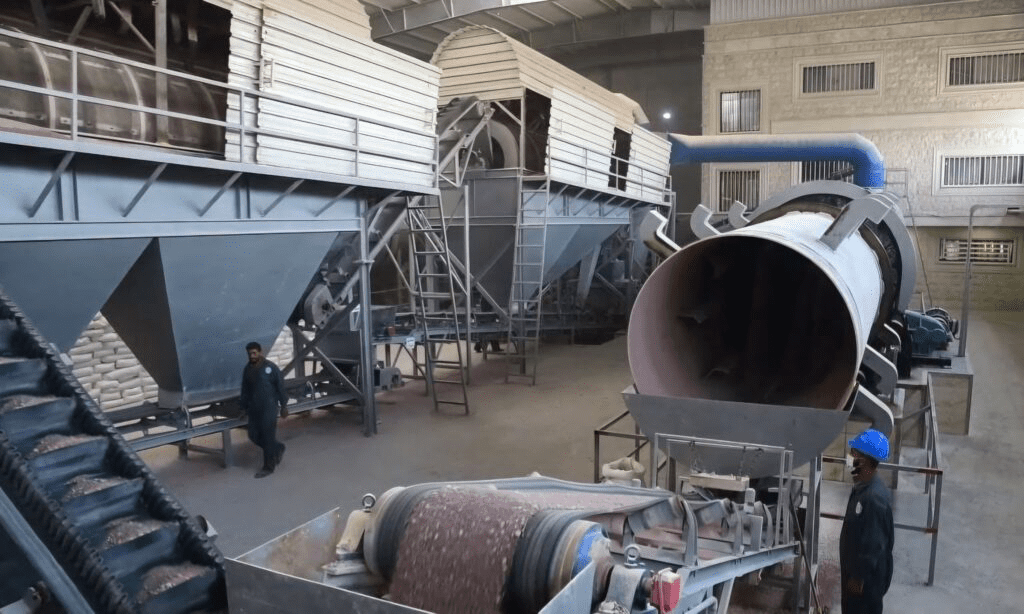
Advisor to the Minister of Economy and Industry, Rima Halli, revealed that licensed investment projects established under various investment laws reached 3,150 by the end of the third quarter of 2025. These projects are concentrated primarily in the food and chemical industries, followed by engineering and textiles.
Halli outlined several challenges facing returning entrepreneurs, including high production costs compared to subsidized imports from Gulf states and other markets, difficulty competing with cheap, low-quality foreign goods, and a decline in exports due to international restrictions on Syrian products.
To address these obstacles, she pointed to government measures such as restructuring production costs in coordination with the private sector, improving local product quality, tightening oversight of imports, and applying reciprocal trade measures against restrictive countries.
Job Creation and Market Revitalization
The return of small and medium-sized capital is expected to stimulate the Syrian economy by creating new job opportunities, revitalizing the real estate market, and increasing the inflow of hard currency brought in by returning investors.
Despite the hurdles, many returnees are finding practical solutions. Hassan Jeroudi, who worked in Turkey for several years, recently opened a large supermarket in rural Damascus offering both local and imported goods. He cited high rents and unreliable electricity as his main initial challenges. “After weeks of effort, I solved the electricity problem by installing a solar power system,” he said.
Similarly, Maher Sharidi relocated his underwear manufacturing workshop from Turkey to Damascus a few months ago. “Working in the homeland has a special flavor,” he said, noting that the Syrian market urgently needs locally made goods after years of industrial decline. He added that he was able to establish his workshop and begin production in record time, with the local market absorbing all of its output.
Capitalizing on Available Opportunities
The gradual return of domestic capital reflects a growing desire to capitalize on emerging opportunities after years of economic and political hardship, and points to a slow restoration of trust between investors and state institutions.
Economist Dr. Yahya Omar emphasized that small and medium-sized enterprises are becoming a vital engine for employment and economic recovery. “Major cities and smaller industrial areas are witnessing a gradual revival in local workshops and factories,” he said.
Omar explained these projects strengthen domestic production, reduce dependence on imports, ease pressure on the national currency, and contribute to price stability. They also create jobs, particularly for young people, helping to lower unemployment and support household economic stability while stimulating innovation and entrepreneurship and encouraging investors to tailor products and services to local market needs.
The return of Syrian expatriates, equipped with capital and expertise, plays a pivotal role in rebuilding the national economy from the ground up, laying the foundations for a more sustainable economic future.