Negotiations between the Syrian government, Kurdish representatives and international mediators continue amid accusations that the Syrian Democratic Forces (SDF) have failed to honor agreements reached Jan. 18 and March 10. The talks come as ceasefire violations persist around Ain al-Arab (Kobani), and as Washington increases its diplomatic engagement.
US Special Envoy for Syria Tom Barrack said he held a “productive phone call” with Kurdistan Democratic Party leader Masoud Barzani to discuss Syria, stressing the need to maintain the ceasefire and ensure humanitarian aid, particularly for Kobani. Barrack’s comments were released publicly but did not address specific violations.
According to Syria’s Ministry of Defense, the ceasefire has been extended for 15 days starting Jan. 24, 2026, in what it described as support for American-led efforts, including the transfer of ISIS detainees from SDF-run prisons to Iraq. The SDF said the extension was reached through international mediation and aimed at protecting civilians.
A New Deal Takes Shape
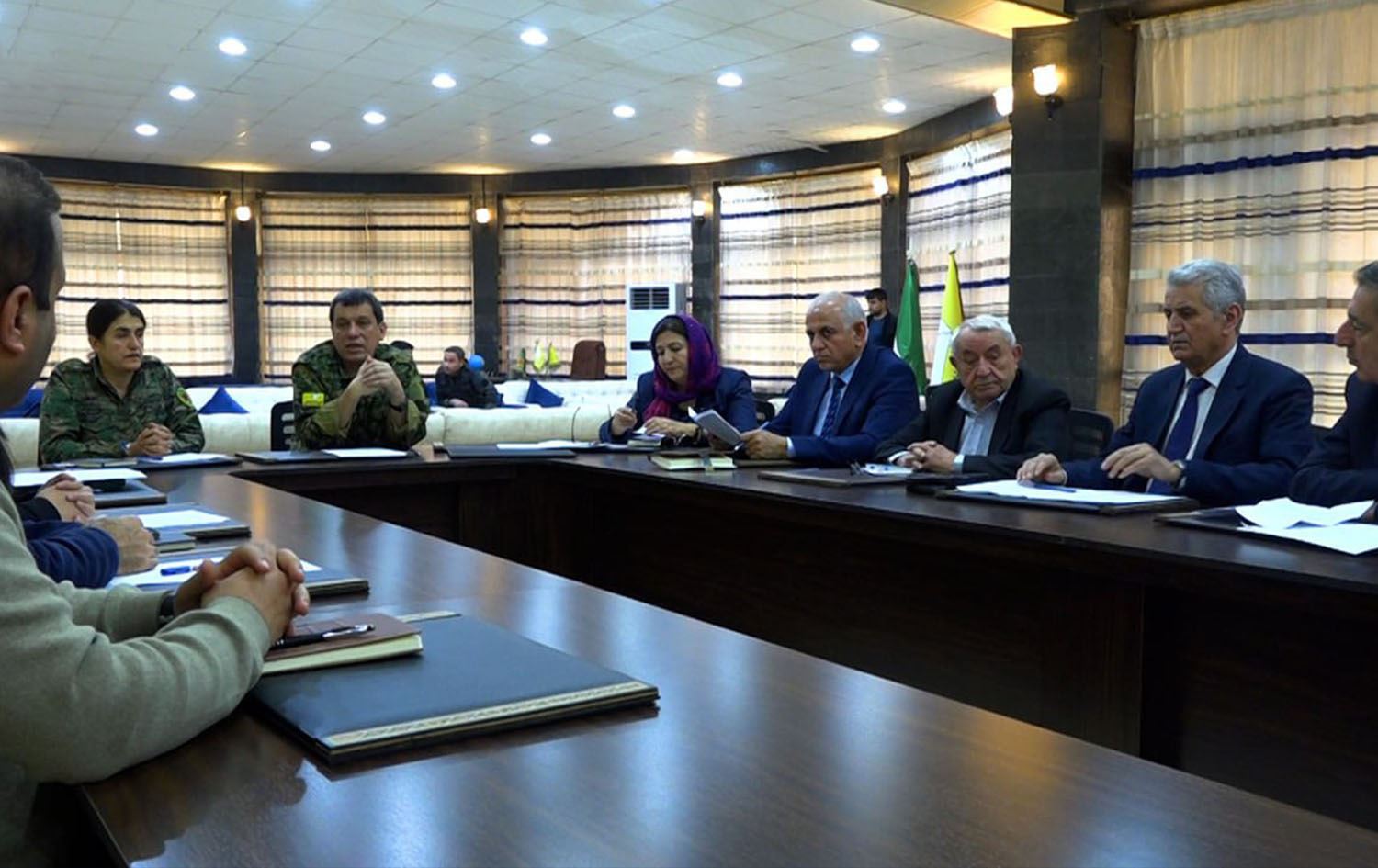
A new round of negotiations between the Syrian government and SDF has produced what officials described as a preliminary comprehensive agreement, according to Al-Hadath. The talks took place in Damascus, where SDF commander Mazloum Abdi arrived alongside a high-level delegation from the SDF and the Autonomous Administration of North and East Syria (AANES) to meet senior Syrian officials.
The agreement, includes the deployment of Syrian Interior Ministry to areas such as Hasakah and Qamishli to provide security. SDF elements are expected to remain in their villages and regions while arrangements are prepared for their integration into state institutions, though officials said the details of that process will be clarified later. Sources said all combat operations have been halted and that implementation of the agreement is expected to begin within two days.
KNC Backs Talks and Expands Dialogue
Parallel to the negotiations with the SDF, the Kurdish National Council (KNC) is preparing for direct talks with President Ahmad al-Sharaa in Damascus. The meeting is expected to take place in the coming days at the invitation of Foreign Minister Asaad al-Shaibani, amid what sources described as a complex political and security environment in northeastern Syria.
The source said the talks will include Sharaa, Shaibani and members of the council’s presidential body, with no participation from the SDF’s Democratic Union Party or other political factions. The council welcomed the invitation and voiced support for dialogue aimed at easing tensions in Hasakah and Ain al-Arab and avoiding a return to military confrontation. The delegation is expected to travel first to the Kurdistan Region of Iraq before heading to Damascus.
Sharaa Broadens Kurdish Participation
Sharaa held a private meeting early last week with 15 Kurdish intellectuals and community figures from Kobani during an unannounced visit to the Tabqa Dam. Kurdish sources told Middle East Eye (MEE) participants included figures both pro-SDF as well as opposition.
During the meeting, Sharaa emphasized implementing his declaration recognizing Kurdish civil and cultural rights, pledging the new Syrian state would protect those rights. At the same time, he criticized SDF leadership. “They do not care about Kurdish rights. All they want is a piece of land to control and fight from,” Sharaa said, according to MEE. “We want to stop the fighting and unify Syria.” Sources said the Kurdish delegates left largely reassured by the pledges, though broader political concerns remained.
An informed source told Syria TV that the KNC warned Abdi that military confrontation with Damascus would be “catastrophic” for Syrian Kurds. The council urged support for negotiations and held the SDF responsible for unilateral decision-making, the source said. As mediation continues, both sides publicly affirm dialogue while trading blame on the ground, leaving the durability of the agreements and the ceasefire uncertain.