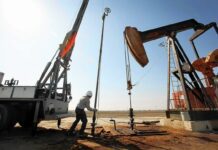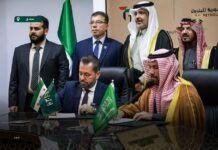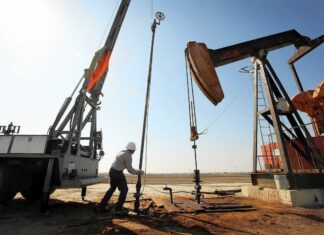
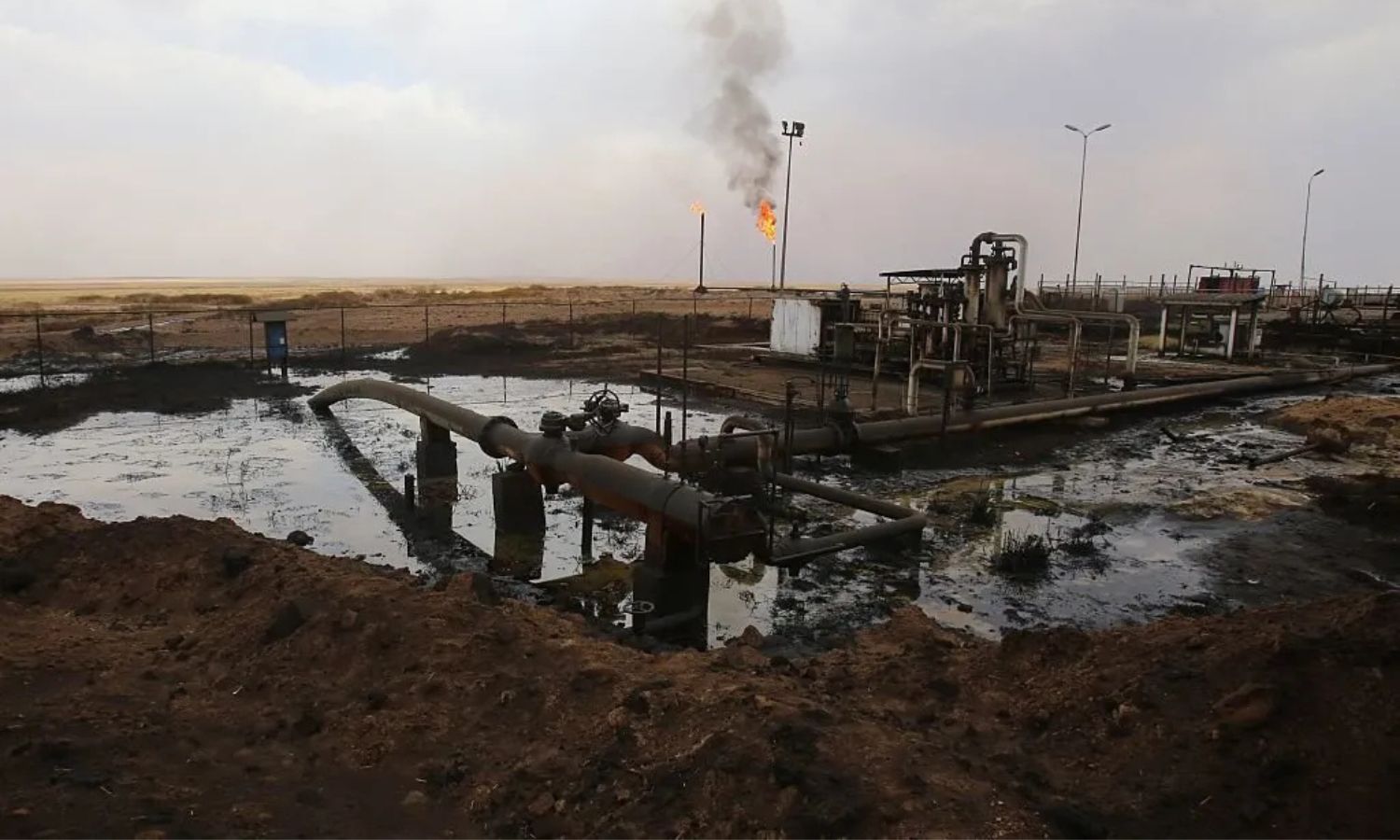
 The Syrian Petroleum Company (SPC) announced on Sunday that the Syrian army has regained full control of major oil and gas fields in Deir Ezzor, along with the Thawra oil complex. The development follows the Syria’s military advances in the wake of SDF retreats in the Deir Hafer area and the southwestern countryside of Raqqa, marking a turning point in the country’s energy and economic trajectory.
Restoring Financial and Monetary Sovereignty
Governor of the Central Bank of Syria (CBS), Abdulqader al-Husriya, described the move as a “pivotal moment” extending beyond restoring oil revenues. He stressed regaining control of natural resources allows the CBS to resume its role as the government’s exclusive financial agent.
According to Husriya, this step puts an end to years of “fragmentation and informal alternatives” that prevailed during the conflict, weakening the financial system and enabling widespread corruption. Centralized management of oil revenues, he noted, is essential for restoring monetary discipline and institutional coherence.
Unifying the System and Reviving Investor Confidence
Husriya explained the return of oil fields enables the unification of payment channels and strengthens the institutional management of monetary policy. This, in turn, is expected to help rebuild external confidence in Syria’s financial sector.
For his part, Syrian Investment Authority Director General Talal al-Hilali described the development as “an important step reflecting the strength of the state.” He said it opens the door to a new phase of organized investment in energy and infrastructure, urging domestic and foreign investors to operate within the state’s legal framework.
Gulf Sands Signals Return to the Syrian Oil Sector
The shift on the ground has prompted renewed interest from international operators. Gulf Sands, the principal operator under the production-sharing agreement in Block 26 in northeastern Syria, is preparing to resume exploration and production activities as conditions stabilize.
The company holds a 50% operating interest covering an area of 5,414 square kilometers. Before operations were halted, Gulf Sands discovered and developed the Kharba al-Sharqiya and Yusufiya fields, which together produced around 25,000 barrels per day in 2011. The company has since identified nine additional promising exploration sites and plans to resume work once force majeure is officially lifted.
From Economic Backbone to Fragmentation
Before 2011, oil was the backbone of the Syrian economy, with production reaching approximately 380,000 barrels per day and accounting for nearly 25% of state revenues. The outbreak of war radically altered this landscape.
After the Syrian Democratic Forces (SDF) took control of key oil fields in Deir Ezzor and Hasakah in 2014, production collapsed to between 40,000 and 80,000 barrels per day. Under the SDF infrastructure was severely damaged, forcing reliance on tanker transport and improvised logistics.
International sanctions further deepened the crisis by blocking access to spare parts and technical equipment, leaving many facilities operating far below capacity. Despite this deterioration, the oil fields became a primary funding source for the Autonomous Administration and the SDF, generating an estimated $150 million annually through barter arrangements with the former Syrian government and black-market sales, largely outside any transparency framework.
A Sector in Need of Massive Reconstruction
Today, Syria’s oil sector remains in critical condition. Some estimates place current production at 80,000–100,000 barrels per day, mostly heavy crude that is difficult and costly to refine. Facilities continue to operate below capacity due to accumulated damage and years of neglect.
Rebuilding the sector is expected to require billions of dollars in investment. However, a more stable security and political environment presents a window of opportunity to relaunch one of Syria’s most strategic industries, given its proven resource base and established long-term contractual structures.