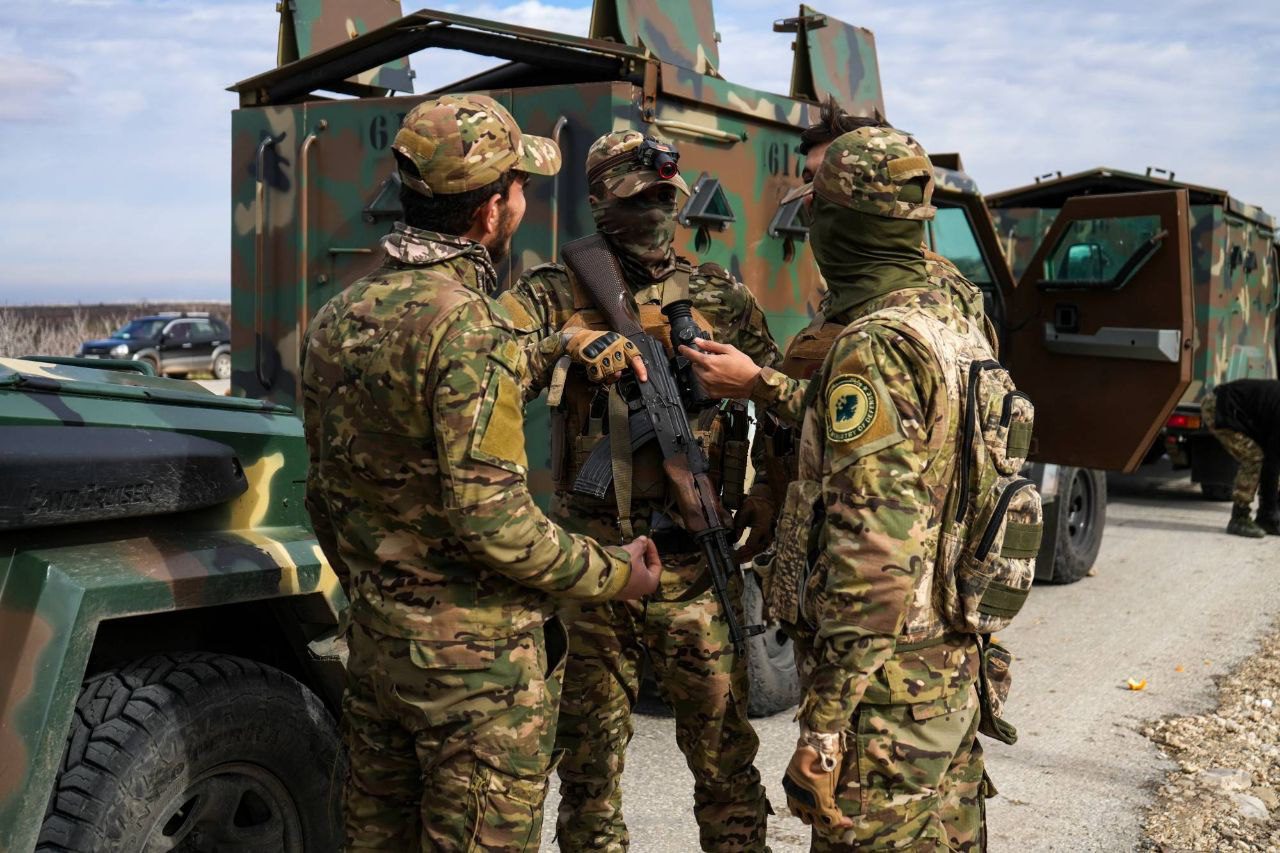
The deadline for the Syrian Democratic Forces (SDF) and the Autonomous Administration of North and East Syria (AANES) to surrender remaining positions, allow the entry of state institutions and integrate into the Syrian state expired today, Jan. 24 at 7pm, intensifying uncertainty across northeastern Syria. The deadline stems from understandings reached in the Jan. 18 agreement, which outlined the phased return of government authority, the integration of security and military forces, and coordination on sensitive files including ISIS detainees.
Syrian officials repeatedly denied reports of an extension, with SANA quoting a source in the Foreign Ministry (FM) as saying claims of prolonging the deadline were “incorrect,” stressing no formal agreement had been reached beyond Saturday. The director of Arab affairs at the FM told Al Jazeera that rumors of an extension were being circulated by the SDF, adding that any continuation of the ceasefire depends on the group’s response to government demands.
Despite mediation efforts, both sides reinforced positions around Hasakah, where local sources reported troop movements and the construction of defensive barriers by the SDF. Footage circulating on social media showed Syrian military reinforcements approaching the city’s outskirts, though these images could not be independently verified.
Regional and International Stakes
Turkey has closely followed the developments, linking any goodwill to the removal of non-Syrian elements of the terrorist PKK organization from SDF ranks. Turkish Foreign Minister Hakan Fidan said the YPG and SDF do not represent Syrian Kurds and described SDF commander Mazloum Abdi as a figure “put on display,” according to Anadolu Agency. Fidan added that confidence-building must begin with the departure of PKK members from Syria and suggested a ceasefire extension could be considered to facilitate the transfer of ISIS detainees.
The transfer of detainees has emerged as a central issue in negotiations. The Institute for the Study of War reported that the ceasefire enabled US forces to continue moving ISIS prisoners from Syria to Iraq, citing US Central Command statements that up to 7,000 detainees could eventually be transferred. The institute noted that completing the process would likely exceed the current ceasefire window.
Conflicting Signals From Negotiators
Public statements from involved parties underscore the fragile nature of talks. A senior Syrian official told the Financial Times, “What happens next is the million-dollar question. We are all hoping this ends diplomatically, but the ball is in the SDF’s court.” In contrast, AANES official Ilham Ahmed said, “We want this to end diplomatically, but we are mobilizing and ready to fight,” also quoted by the Financial Times.
Syrian FM Strategic researcher Obaida Ghadban said several political tracks were unfolding simultaneously and were expected to conclude by Saturday evening. In comments aired on Syrian state media, he said the January and March understandings were designed to protect civilians and later expanded to address national security and regional stability. Ghadban accused what he called a rigid SDF leadership of delaying decisions and remaining detached from realities on the ground.
Kobani and Kurdish Concerns
Tensions have been particularly acute around Kobani, also known as Ayn al-Arab, the last major SDF-held city in eastern Aleppo countryside. Kurdistan Democratic Party leader Masoud Barzani warned against any attack on the city, calling it “a Kurdish city that must not be touched” during a Jan. 23 press conference in Italy. He said European officials pledged support for protecting Kurds in northern Syria.
Humanitarian groups have raised alarms over civilian conditions. The Kurdish Red Crescent in Kobani appealed to the UN for urgent intervention, warning of shortages of food, fuel and electricity amid what it described as a tightening siege, according to a statement conveyed by SDF media official Farhad Shami.
Uncertain Path Forward
As the deadline passes, prospects remain divided. The Institute for the Study of War assessed that divisions within the SDF may cause fracture with moderate SDF leaders accepting Damascus’ conditions, while hardliners, and PKK loyalists, may reject integration and continue fighting. Syrian officials insist dialogue remains preferable, though they say military options remain to prevent wider bloodshed.
For residents of Hasakah and surrounding areas, the expiration of the deadline has brought heightened anxiety, curfews and displacement, underscoring the human cost of a standoff that has yet to find a definitive political resolution.