 In a significant step toward strengthening food sovereignty, Syria is expanding domestic potato seed production through an ambitious national project. The initiative aims to reduce reliance on imports, provide high-quality seeds at affordable prices for farmers, protect the agricultural sector from diseases and support the national economy while ensuring price stability for this essential commodity.
Supporting Farmers and Reducing Costs
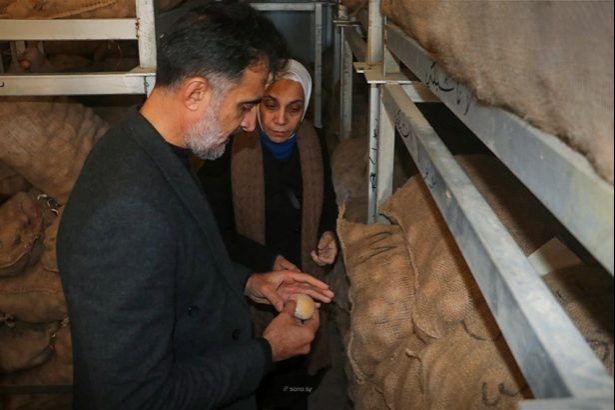
Dr. Durriya Jammou, director of tissue culture at the Public Establishment for Seed Multiplication (PESM), explained the project serves several strategic objectives. Beyond meeting growing demand, it protects Syrian crops from diseases and pests that may be introduced through imported seeds. The initiative also improves the income of contracted farmers by providing locally produced seeds at a lower cost than imported alternatives. This cost reduction is reflected in market prices, helps create job opportunities, and supports rural families.
The project is based on a precise, scientific production chain beginning in laboratories with the production of virus-free seedlings. It then progresses through greenhouses to produce the “mother generation,” followed by net houses for the production of “super-elite” seeds, and finally open fields for the production of “elite” seeds.
In 2025, the project achieved tangible production results, including 3,265 kilograms of seed produced in greenhouses, 498 tons in net houses, and 1,268 tons in open fields. These outputs were achieved through the use of hundreds of net houses and thousands of square meters of greenhouse space in the governorates of Aleppo and Tartus.
Quality Assurance and Overcoming Challenges
To ensure product quality, strict monitoring procedures, including serological (ELISA) testing at all stages of production are implemented. These tests recorded a zero viral infection rate in tubers produced inside greenhouses.
Preventive measures include complete isolation of production areas, installation of insect-proof netting, weed removal, the use of yellow traps, implementation of preventive control programs, and strictly regulated storage conditions. Seeds are stored in refrigerated units at temperatures between two and four degrees Celsius, with humidity levels maintained between 90% and 95%.
PESM is currently distributing several improved seed varieties, including Banila, Ageria, and Qalamoun. Despite challenges facing the project, most notably shortages of technical staff and machinery, officials confirm that work is ongoing to overcome these obstacles and ensure the sustainability of this national achievement.
Enhancing Self-Sufficiency and Saving Foreign Currency
The project represents a practical step toward achieving self-sufficiency in a strategic agricultural commodity while saving millions of dollars in foreign currency previously spent on seed imports. PESM has set incentive prices for locally produced seeds for the spring 2026 season, encouraging farmers to adopt them. This approach creates an integrated production cycle that supports the local product from farm to table and contributes to strengthening the resilience of Syria’s food system.