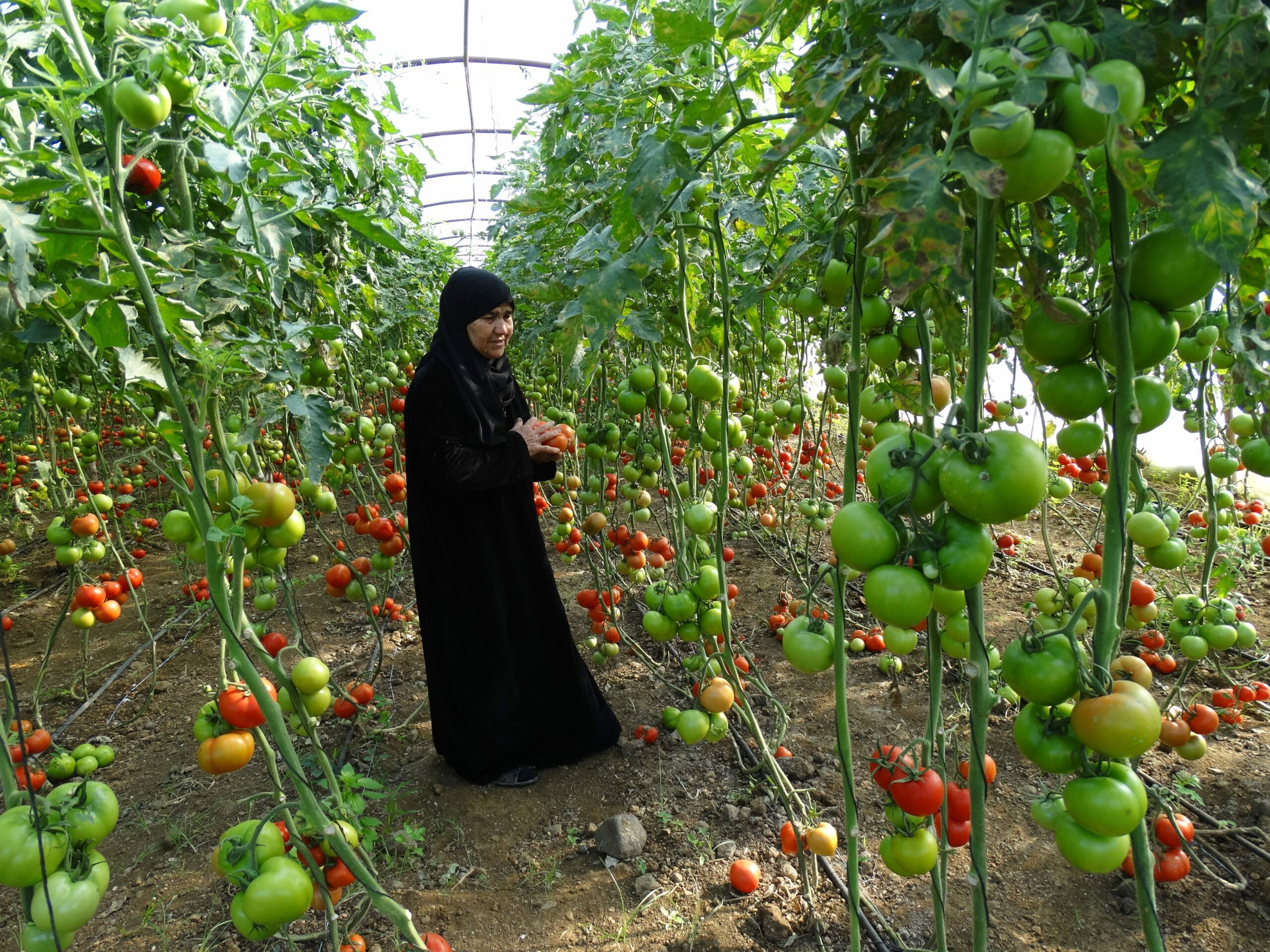
Protected cultivation has become one of the most vital pillars of Syria’s agricultural sector, particularly in coastal regions. It plays a central role in ensuring a year-round supply of vegetables, creating job opportunities, maintaining food security, and enabling the export of surplus production to external markets.
In the face of accelerating climate change and rising production costs, protected cultivation is increasingly viewed as a strategic solution to offset declining open-field output. It offers a resilient alternative capable of sustaining agricultural productivity amid drought, desertification, and extreme temperature fluctuations.
A Qualitative Leap in Agricultural Production
Ahmad Jalal al-Ahmad, Head of the Directorate of Agricultural Affairs and Plant Protection, explained that protected cultivation represents a qualitative transformation compared to traditional farming. This shift is driven by the ability to fully control the “microclimate” within greenhouses, including temperature, humidity, soil conditions, and lighting.
According to Ahmad, greenhouse productivity exceeds that of open-field cultivation by three to five times per unit area. In addition, protected cultivation allows for continuous, year-round production, which contributes to market stability and ensures the steady availability of agricultural products for consumers.
A Strategic Necessity in the Era of Climate Change
Ahmad stressed that protected cultivation is no longer an optional supplement to traditional farming, but a strategic necessity in light of increasing droughts, desertification, and sudden climate shifts. One of its key advantages lies in rationing water use through modern drip irrigation systems, which can reduce water consumption by up to 60% compared to conventional irrigation methods.
He also noted fertilizer use in protected cultivation is more precise, as it is based on soil analysis and the actual nutritional needs of plants. This targeted approach reduces waste and limits environmental pollution. Furthermore, the semi-isolated environment of greenhouses allows for better pest control, significantly reducing the reliance on chemical pesticides compared to open-field farming.
Government Support and Farmer Incentives
Ahmad highlighted the Ministry of Agriculture’s role in supporting this sector through agricultural extension services and specialized technical training programs aimed at transferring modern technologies to farmers, particularly small-scale producers.
He added that the ministry provides soft loans to support the establishment of greenhouses, as well as compensation mechanisms for farmers affected by frost waves or floods, according to approved percentages. An insurance system dedicated to plastic greenhouses has also been introduced to mitigate risks and encourage investment.
Protected crops, he emphasized, are no less important than traditional field crops. They contribute directly to food security by ensuring the availability of vegetables during periods when open-field production declines or stops entirely.
An Emerging Agricultural Industry
Beyond food security, protected cultivation is playing an increasingly important role in supporting the national economy through export revenues in foreign currency. With its high productivity and efficient resource use, this sector is evolving into a standalone “agricultural industry,” one that can be managed as organized production units with significant economic returns.
As Syria seeks sustainable solutions to agricultural and environmental challenges, protected cultivation stands out as a cornerstone for resilience, economic growth, and long-term food security.