Syria has signed a series of economic agreements with Gulf states and a major US energy company, signaling renewed international engagement as President Ahmad al-Sharaa seeks to consolidate recent political and military gains.
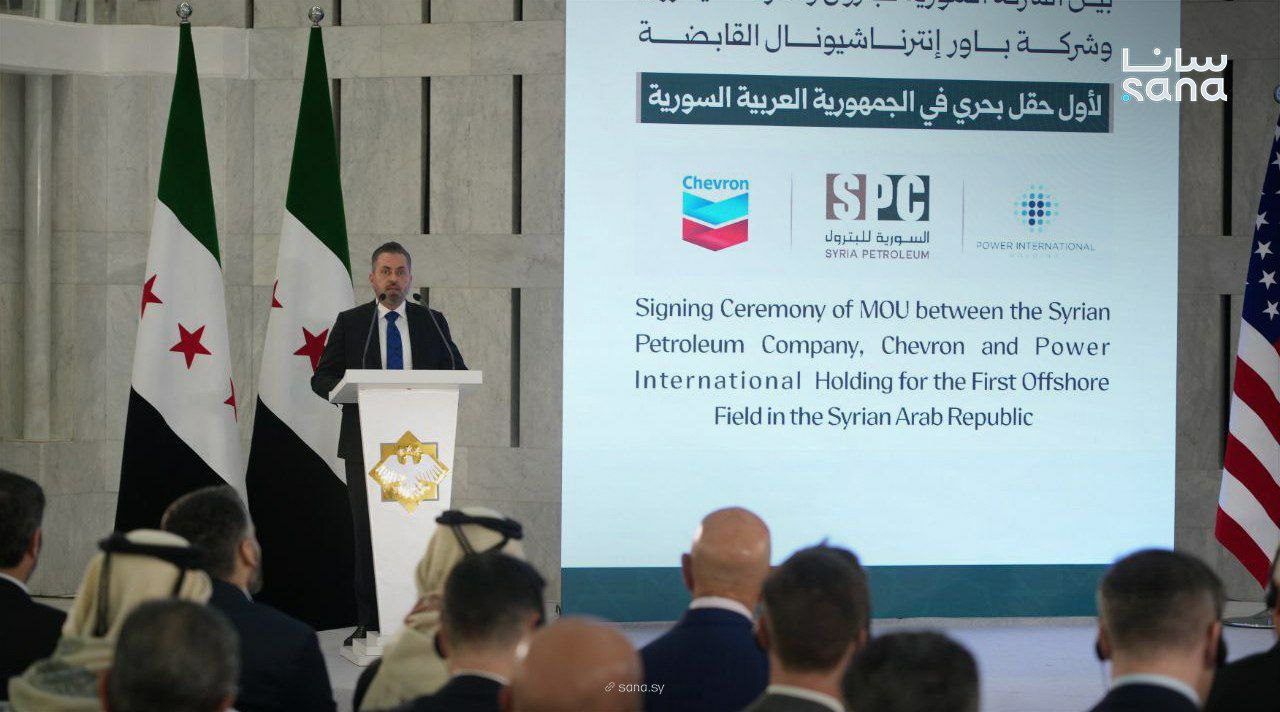
On Wednesday, Feb. 4, US energy giant Chevron signed a preliminary agreement with the Syrian Petroleum Company (SPC) and UCC Holding, a Qatari firm, to explore for oil and gas off Syria’s Mediterranean coast. SANA reported that the signing ceremony took place in Damascus and was attended by US envoy to Syria Tom Barrack.
The agreement comes as Washington appears increasingly comfortable engaging with Sharaa’s government, despite criticism from some US lawmakers over Damascus’ recent security operations in northern Syria. US President Donald Trump has publicly voiced confidence in Sharaa.
Chevron’s Regional Footprint
Chevron’s involvement carries symbolic and practical significance. It has expanded regional reach in recent months, signing an agreement in January with Libya’s Tripoli-based government to assess oil and gas exploration opportunities.
Greece, which is locked in a maritime dispute with Turkey, has also courted Chevron, viewing its participation in energy projects as an implicit endorsement from Washington. Analysts say Chevron’s decision to enter Syria, even at a preliminary stage, may encourage other Western firms to consider the country as political risk perceptions shift.
Qatar and Turkey Anchor Energy Reconstruction
Qatar has emerged as a central player in Syria’s energy reconstruction. UCC Holding, which signed the Chevron deal alongside the Syrian government, is owned by the Khayyat family and operates under the umbrella of Power International Holding.
In May, UCC led a consortium of Turkish and US companies in unveiling a $7 billion agreement to revive Syria’s energy infrastructure. The deal covers natural gas, electricity, mining and petroleum, with an emphasis on technical coordination, information sharing and joint investment.
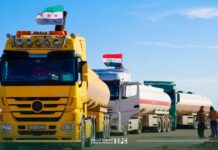
One of the flagship projects is a natural gas pipeline linking Kilis in southern Turkey to Aleppo. Completed in June 2025, the pipeline is expected to allow Turkey to supply Syria with up to two billion cubic meters of natural gas annually.
Saudi Investments Broaden Economic Ties
Saudi Arabia is also deepening its economic footprint in Syria. Reuters reported Tuesday that Riyadh plans to invest in a new private Syrian airline as part of a multibillion-dollar investment package. Al-Arabiya news said the agreements also include Saudi investments in telecommunications, a desalination project and the reconstruction and management of Aleppo airport.
Taken together, the deals highlight the expanding roles of Qatar, Turkey and Saudi Arabia in Syria’s reconstruction, with tacit backing from the US. They also underscore how regional powers are recalibrating their approach to Damascus as Sharaa moves to translate political momentum into longer-term economic and political stability.