Syrian government security forces began re-entering major cities in the Jazeera region, comprising Hasakah, Raqqa, and Deir Ezzor, as part of the implementation of a comprehensive agreement with the Syrian Democratic Forces (SDF), marking a significant step toward restoring state authority in northeastern Syria. Units from the Ministry of Interior (MoI) entered Hasakah and the Sheikh area south of Ain al-Arab (Kobani) Monday, Feb. 2.
The MoI said the deployment represents the initial phase of assuming full security responsibilities in coordination with the agreement between Damascus and the SDF. The ministry stated the move aims to ensure a smooth transition of security management to state institutions, protect citizens, safeguard public and private property, and promote stability in line with Syrian law. Brig. Gen. Marwan al-Ali, commander of internal security in Hasakah, instructed units to carry out their duties according to established plans and with full compliance with laws and regulations.
Local Reaction and On-the-Ground Measures
Internal Security Forces entered Hasakah amid a broad public welcome. The initial convoy traveled from Shaddadi through the Malibiyah area and the town of Hawl before reaching the city center, accompanied by aircraft from the US-led international coalition.
Farhad Shami, director of the SDF media center, told Arta Radio the first contingent consisted of 100 to 125 personnel in about 15 vehicles. He said all personnel came from Daraa Governorate, a condition stipulated by the SDF, and that a second group of similar size would enter Qamishli on Tuesday. Shami added that the forces would deploy temporarily at three to four locations in Hasakah, accompanied by Asayish internal security units, to oversee the integration process before withdrawing.
Administrative and Service Restoration
Alongside security measures, the government has begun reactivating civil institutions and services. Minister of Local Administration and Environment Muhammad Anjarani announced practical steps to restore state institutions in Hasakah, Raqqa, and Deir Ezzor. He described rebuilding local administration as a priority after years outside the official framework, citing the need to stabilize services and administrative structures.
Anjarani said the government appointed a new governor for Raqqa and will announce a governor for Hasakah soon. He added that teams have started work to reactivate local councils, protect real estate records, and restart essential services such as bakeries, service centers, and primary health care facilities.
Political Integration and Local Representation
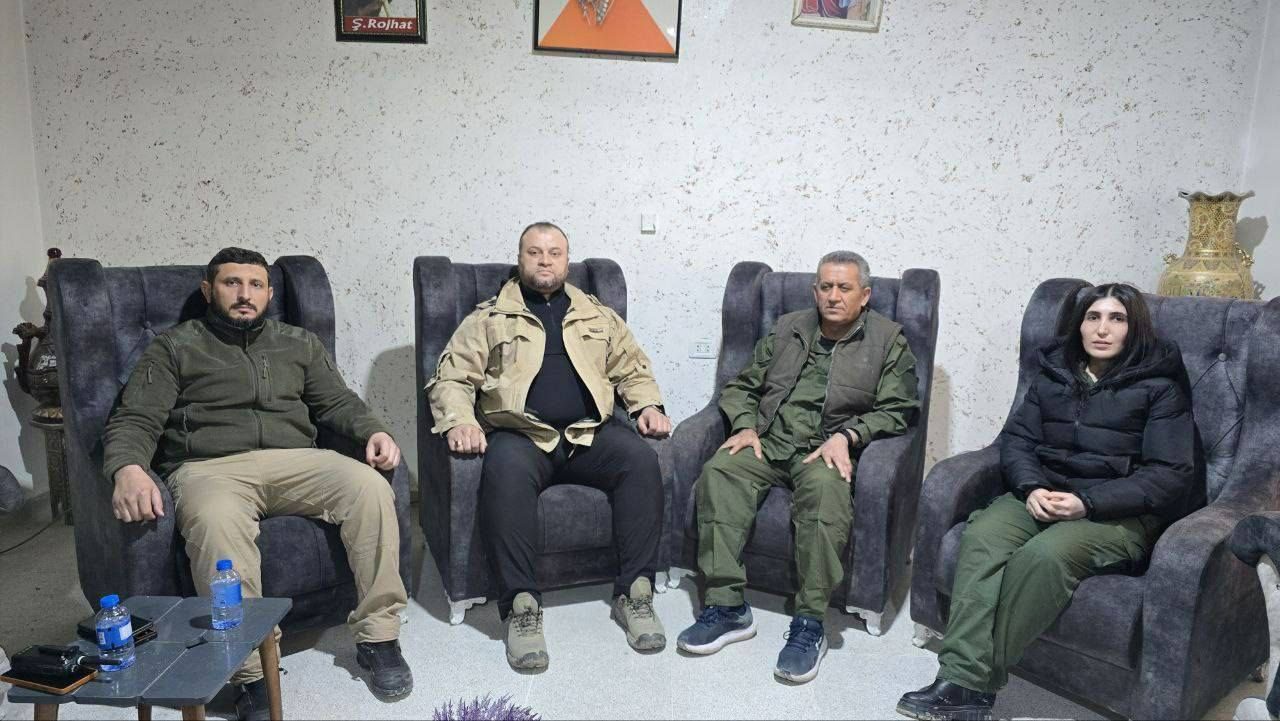
As part of the agreement, the SDF nominated Nouruddin Ahmad, also known as Abu Omar Khanika, for governor of Hasakah. North Press Agency quoted Ahmad as saying the government approved his nomination and that he would travel to Damascus with a political delegation. Ahmad, born in Qamishli in 1969, has held senior roles within SDF-affiliated institutions.
Muhammad Taha Ahmad, director of Arab affairs at the Syrian Foreign Ministry, said the agreement aligns with Local Administration Law No. 107, which allows governors to be selected through legal mechanisms within local councils. Speaking on Syrian television, he said Damascus supports appointing Kurdish figures to leadership roles provided they act within the interests of the Syrian state. Together, the security deployments and administrative measures signal a new phase in implementing the integration agreement, with state institutions gradually resuming their role across the Jazeera region.