The Syrian government’s advance into Hasakah and Qamishli today capped weeks of military escalation and nearly a year of faltering negotiations with the Syrian Democratic Forces (SDF) over integration into the state.
After the Assad regime’s fall over a year ago, the new government moved to reassert control over territory still held by the PKK-aligned SDF in northeastern Syria. On March 10, 2025, US-mediated talks produced a framework agreement committing both sides to integrate the SDF into state institutions by the end of the year. That deadline slipped repeatedly, despite follow-on agreements on April 1, Jan. 18 and Jan. 20, as implementation stalled.
US officials and regional mediators involved in the talks said negotiations were repeatedly delayed by internal SDF consultations and disagreements over command structures and governance. Damascus accused SDF leadership, led by Mazloum Abdi, of stalling to preserve the autonomy it had exercised since 2012.
Fighting Breaks Out in Aleppo
Tensions turned violent in early January. From Jan. 6 to 10, clashes erupted in the Kurdish-majority Sheikh Maqsoud and Ashrafieh neighborhoods of Aleppo. Syrian government forces launched an operation pushing SDF units out of the districts. According to government figures, about 90% of the 148,000 displaced residents returned within two weeks after security stabilized.
The fighting widened on Jan. 17, when hostilities spread east of the Euphrates River. In a single 24-hour period from Jan. 17 to 18, the SDF lost roughly 80% of territory as large numbers of Arab fighters defected to the government. US and regional officials estimated that Arab fighters made up 65% to 70% of the SDF’s ranks. Local uprisings in Tabqa, Raqqa and Deir Ezzor accelerated the government advance and opened the way for Syrian forces to push the SDF eastward.
Political Talks and a Fragile Ceasefire
Even as fighting intensified, negotiations continued. Damascus insisted that SDF units be integrated into the Ministries of Defense and Interior, while Washington pressed both sides to avoid escalation. On Jan. 24, a 15-day ceasefire was announced at the request of the US to allow for the transfer of ISIS detainees from Syria to Iraq.
Despite the ceasefire, clashes and shelling persisted around Kobani and southeast of Qamishli, with Syrian forces stopping short of entering Kurdish-majority urban centers. The SDF carried out shelling and drone attacks against military and civilian targets between Jan. 24 and 26, according to government officials. Both sides accused the other of abuses, though independent observers said there was no mass campaign of civilian killings.
Final Agreement and Rapid Advances
On Jan. 30, Damascus and the SDF announced what both sides described as a final, comprehensive agreement. The deal called for a nationwide ceasefire, the withdrawal of forces from contact lines, and the phased integration of SDF military, security and administrative bodies into the Syrian state.
Under the agreement, internal security forces from the Ministry of Interior would enter Hasakah and Qamishli, while SDF combat units would redeploy to designated barracks. A new military division made up of former SDF brigades would be formed under the Ministry of Defense, including a brigade based in Kobani.
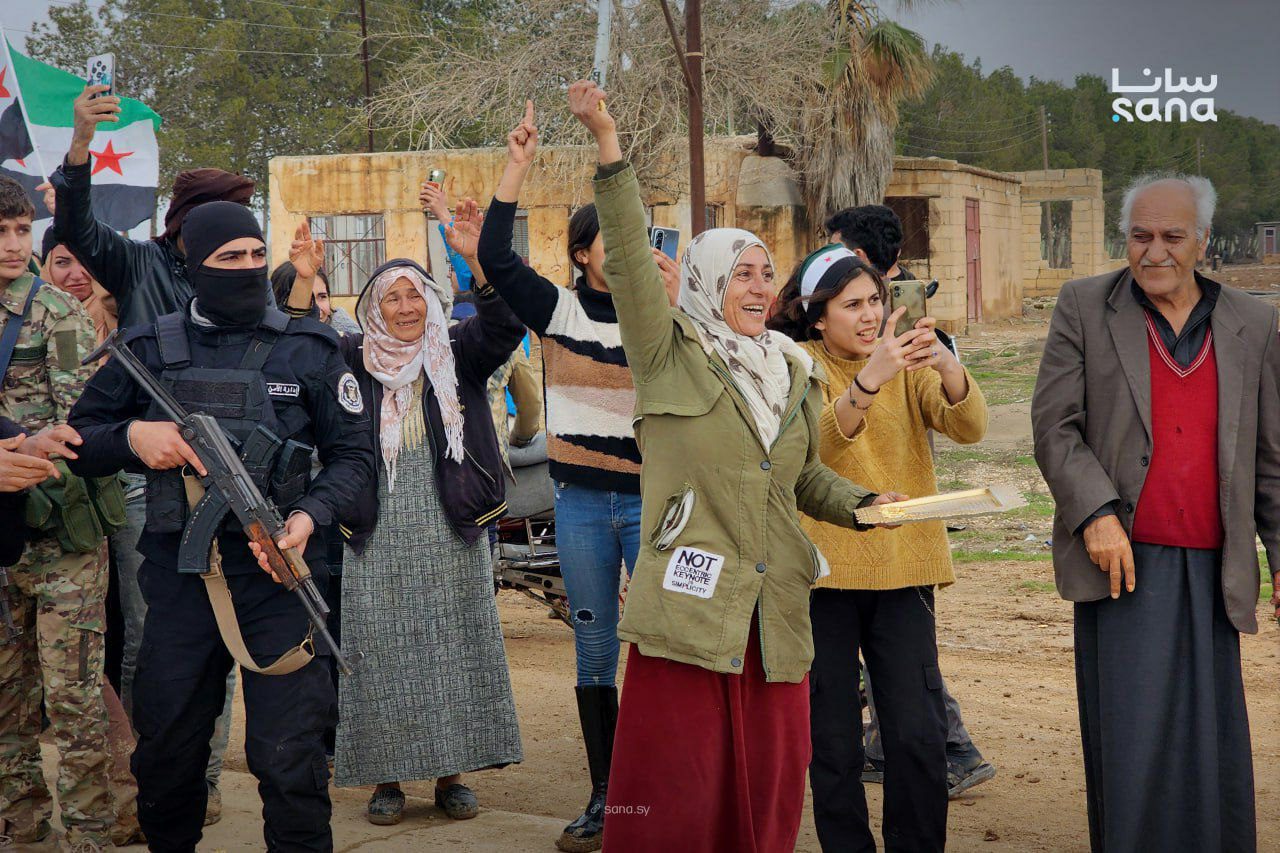
Government forces began entering Hasakah on Monday, followed by Qamishli on Tuesday. Convoys of about 100 Interior Ministry personnel deployed to key sites alongside SDF Asayish units to oversee the transition.
While the government has now regained control of most former SDF-held territory, the SDF remains present, alongside state troops, in Hasakah city, Qamishli and Kobani. Mediators and local observers say the coming weeks will test whether the January agreement succeeds where previous deals failed, and whether integration can proceed without a return to violence.