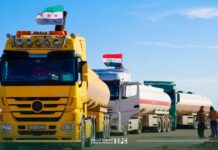
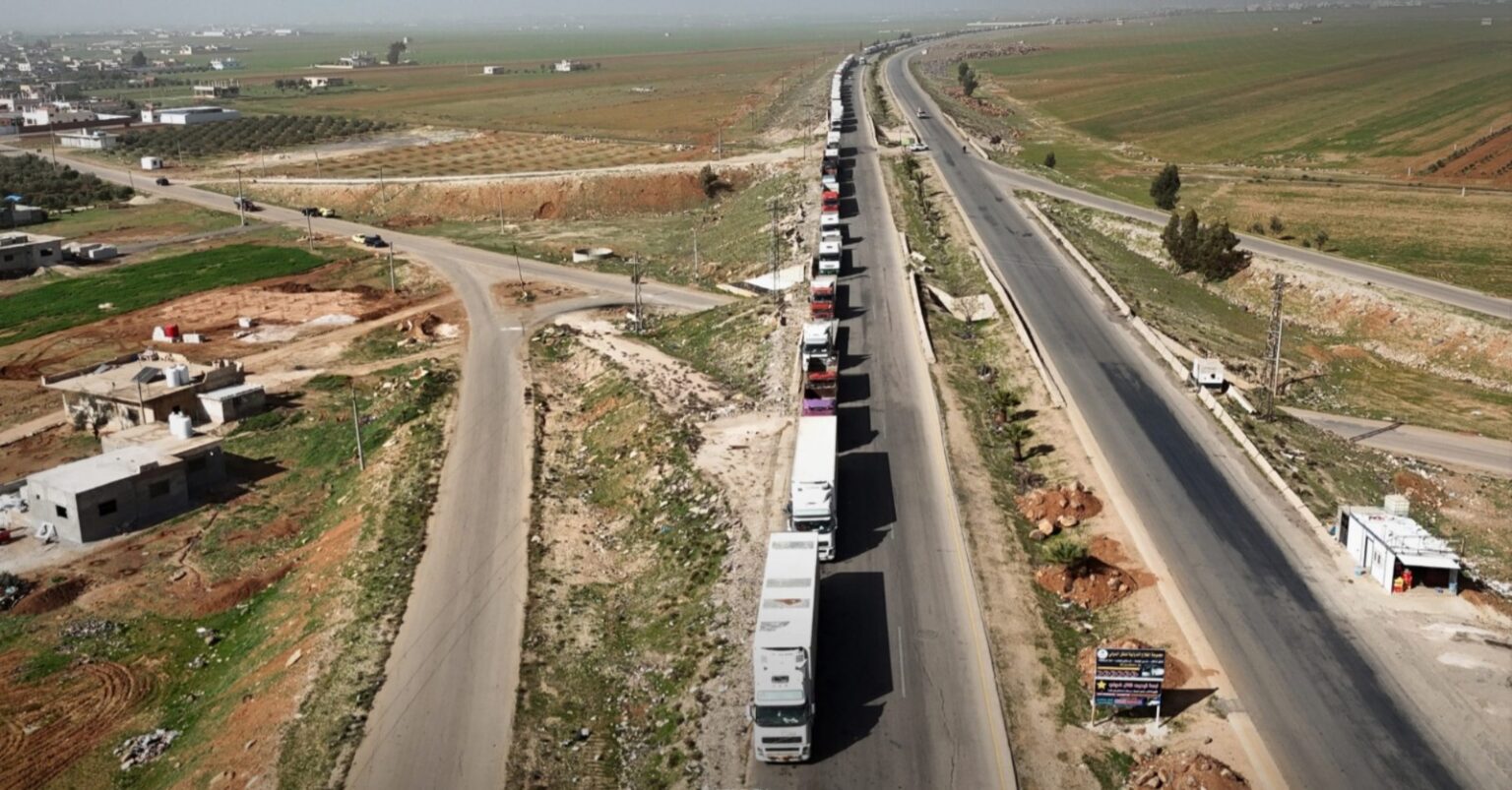
 A new agreement between Syria and Jordan eliminating mandatory transshipment for certain cargo has marked a significant step toward streamlining trade and improving cross-border transport operations between the two countries. Mazen Alloush, Director of Relations at the General Authority for Land and Maritime Ports, clarified the decision applies specifically to Jordanian trucks carrying goods of Jordanian origin.
He explained shipments arriving via Jordan, but originating from third countries, representing the majority of freight traffic, will still be subject to existing transshipment procedures at border crossings, with no changes to current regulations.
Expanded Opportunities for Syrian Drivers
Alloush stressed the agreement does not harm Syrian transport workers; rather, it creates new opportunities for them. Under the principle of reciprocity, Syrian trucks carrying goods produced in Syria are now allowed to enter Jordanian territory directly without the need to unload and reload cargo at the border.
This development enables Syrian drivers to travel as far as the Port of Aqaba, where they can carry out loading and unloading operations. Alloush explained this effectively allows Syrian trucks to enter Jordan with local goods and return from Aqaba carrying new shipments, thereby increasing job opportunities and improving operational efficiency for drivers.
Commitment to Protecting Drivers’ Interests
He reaffirmed the authority has consistently worked to defend the interests of Syrian drivers, raising their concerns during bilateral meetings and negotiations. According to Alloush, Syrian drivers are considered key partners in facilitating regional trade and transport.
The agreement is expected to revitalize land transport and enhance trade exchange between Syria and Jordan. By reducing the need for transshipment, it will help speed up delivery times, lower transportation costs, and create additional employment opportunities in the logistics sector.
Alloush concluded by emphasizing that the authority will continue engaging with drivers and stakeholders to ensure their interests remain central to future policies, with the broader goal of strengthening the transport sector and improving working conditions.